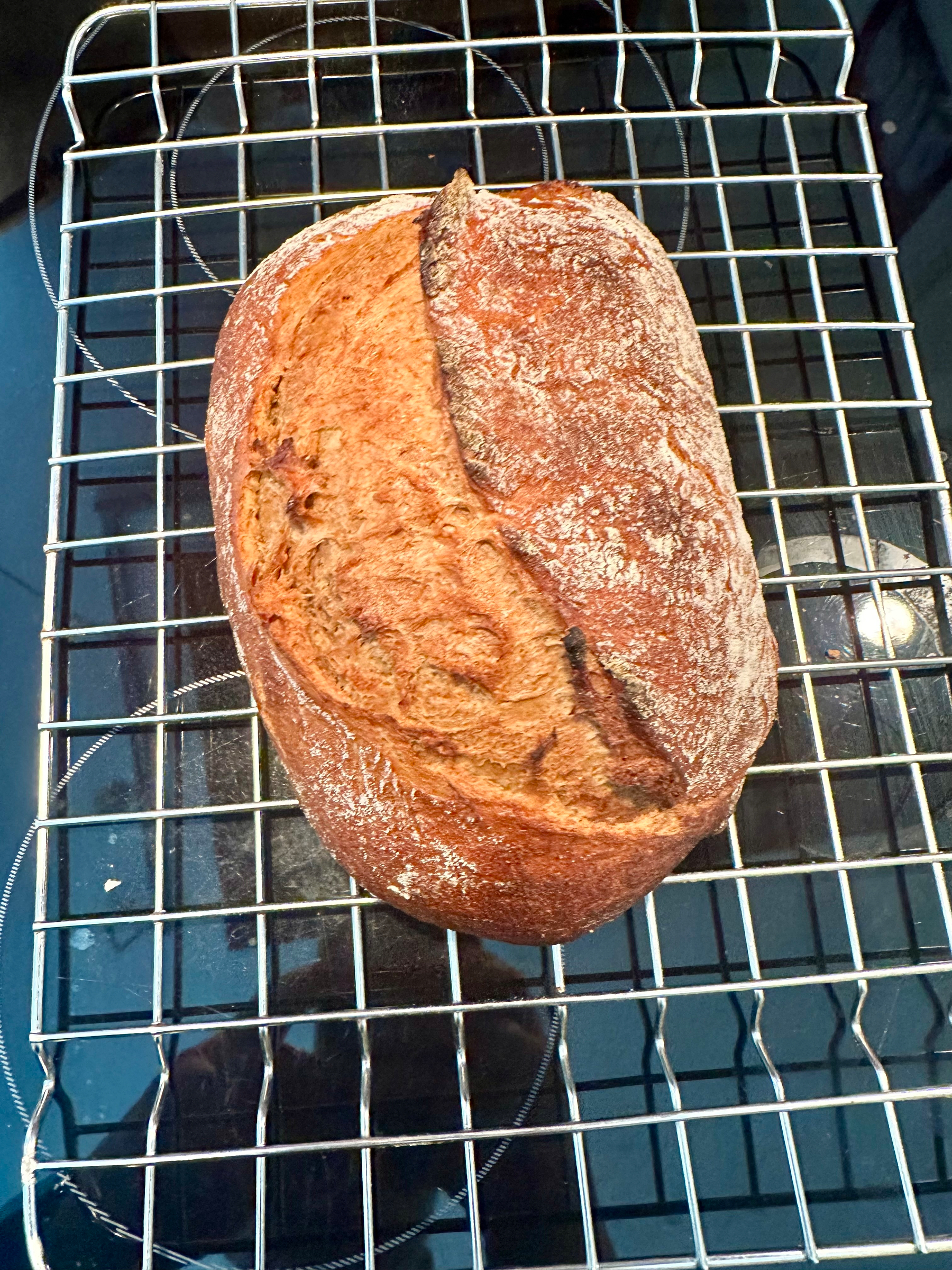
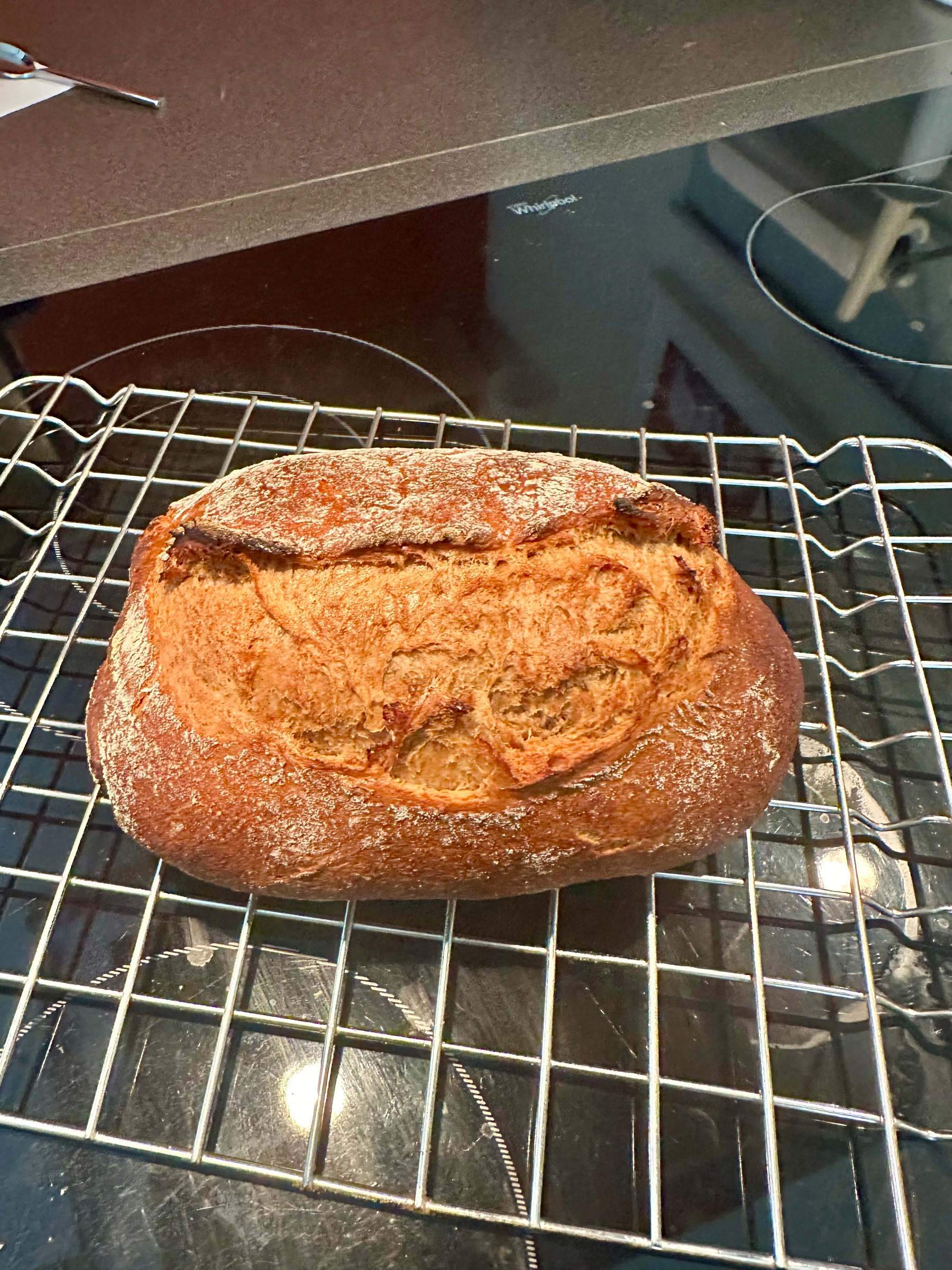
The usual
Two direction roll forming. Steam, 260ish C falling to 220 C. A bit blonde, perhaps. The average between this and the brioche is quite great, possibly.
#brot #bread #sourdough #LievitoMadre #Sauerteig @brotbacken@fedigroups.social
The usual
Two direction roll forming. Steam, 260ish C falling to 220 C. A bit blonde, perhaps. The average between this and the brioche is quite great, possibly.
#brot #bread #sourdough #LievitoMadre #Sauerteig @brotbacken@fedigroups.social
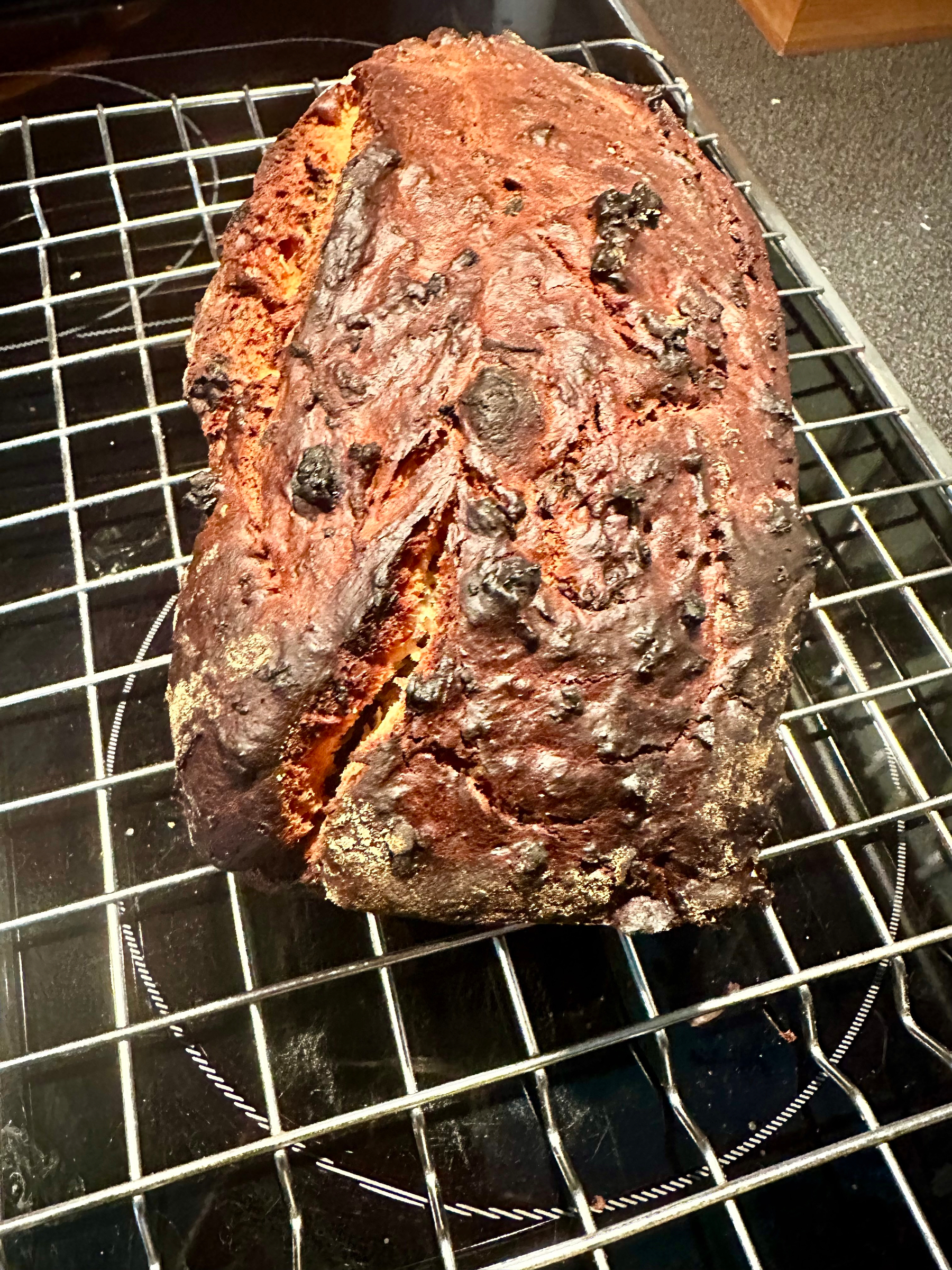
My brioche is quite dark, because I didn’t wear my glasses, when I set the oven. The alt text is a bit mainstream in its crust assessment, it /could/ be a bit lighter, but we take the Maillard where we find it. Otherwise quite chuffed.
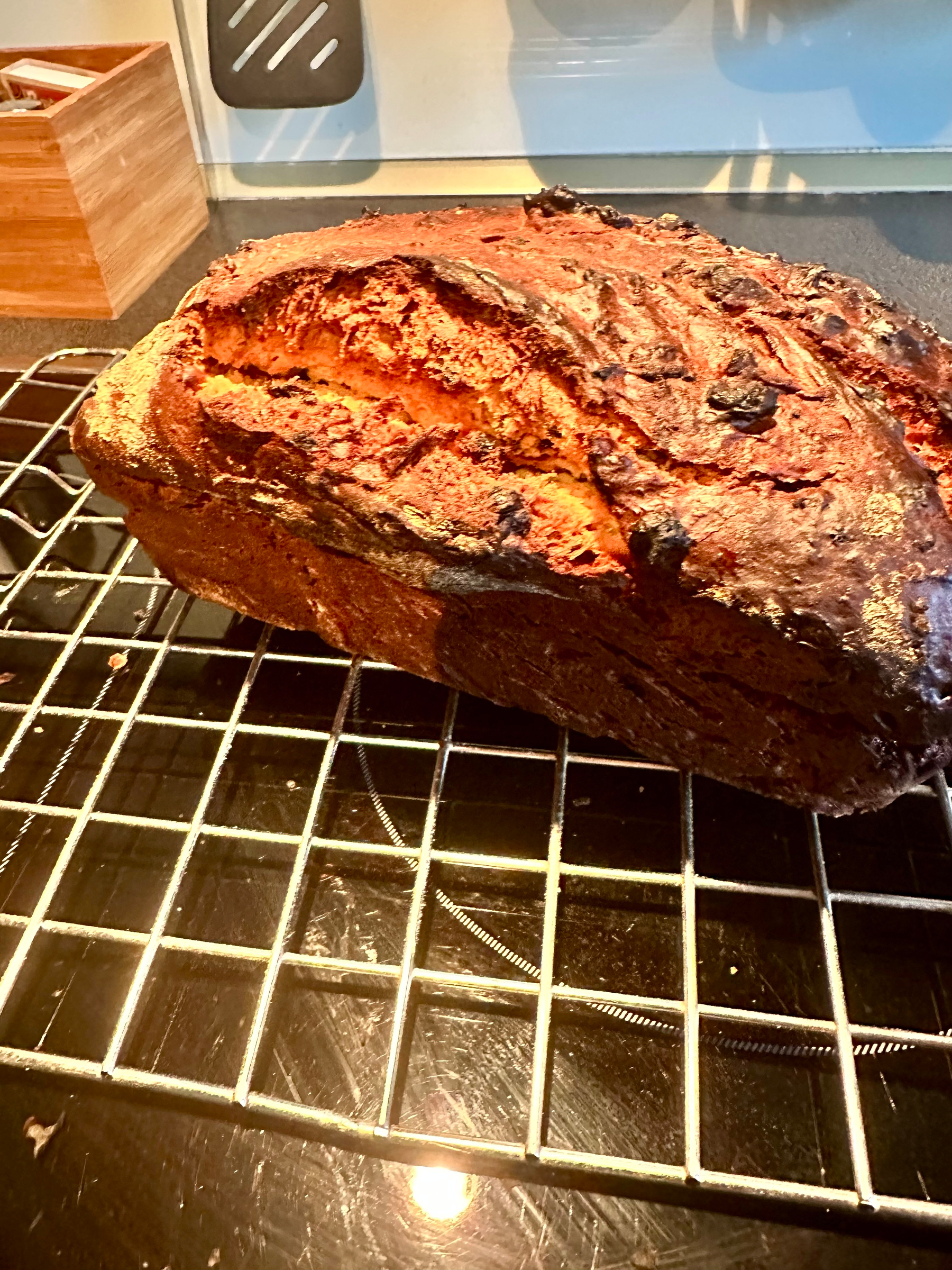
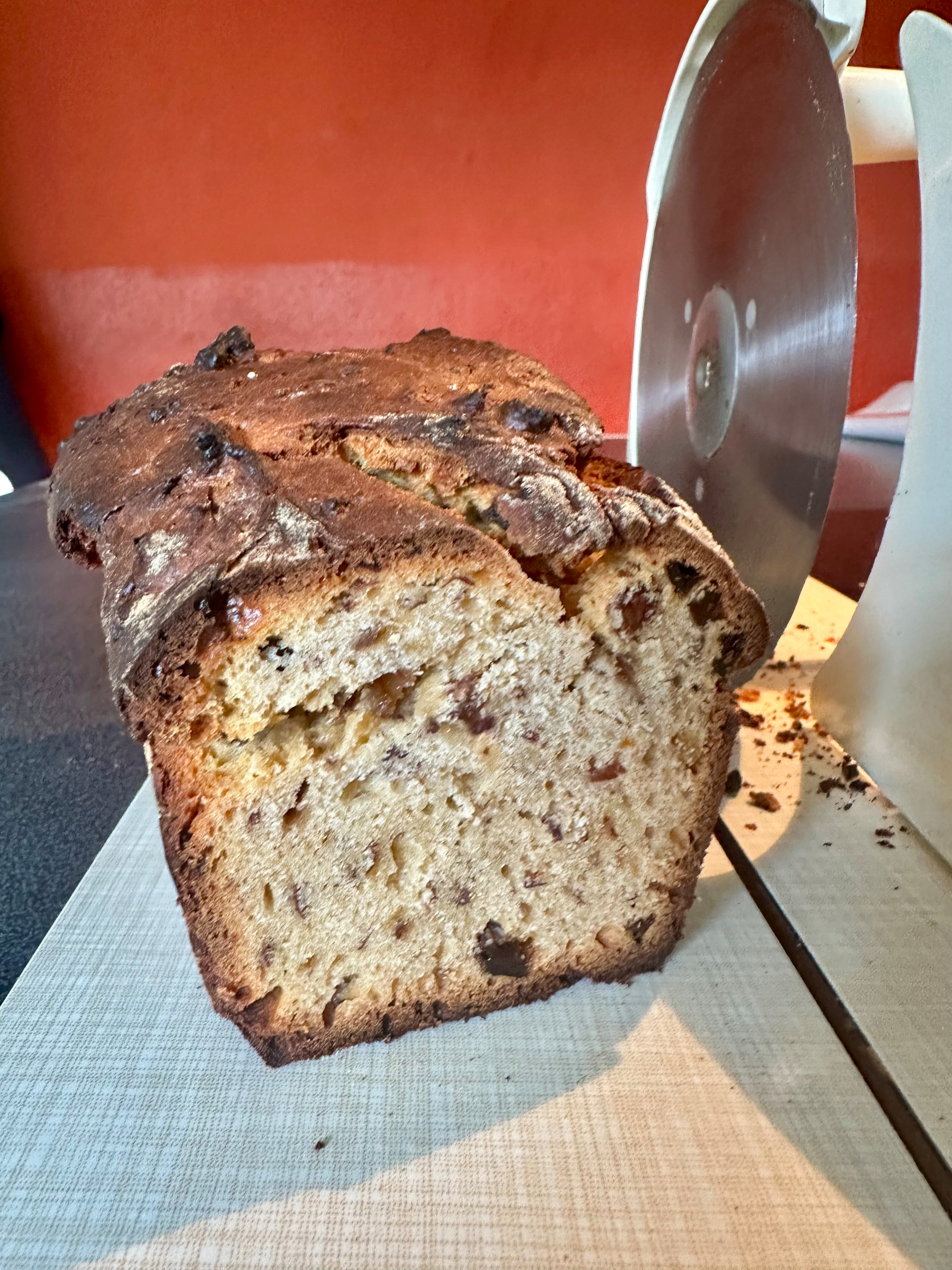
#brioche #brot #bread #sourdough #LievitoMadre #Sauerteig @brotbacken@fedigroups.social
We also passed through (E)anjum and did our shopping. Build on a terp, this village is at least 2000 years old. Anyway, the Michaëlkerk is from around the year 1000. There was some money there.
Presumably some of that money came from selling the young oxen south. The “Ochsenstrasse” wound its way south from Groningen, selling oxen along the way, until they reached Cologne and the trip ended.
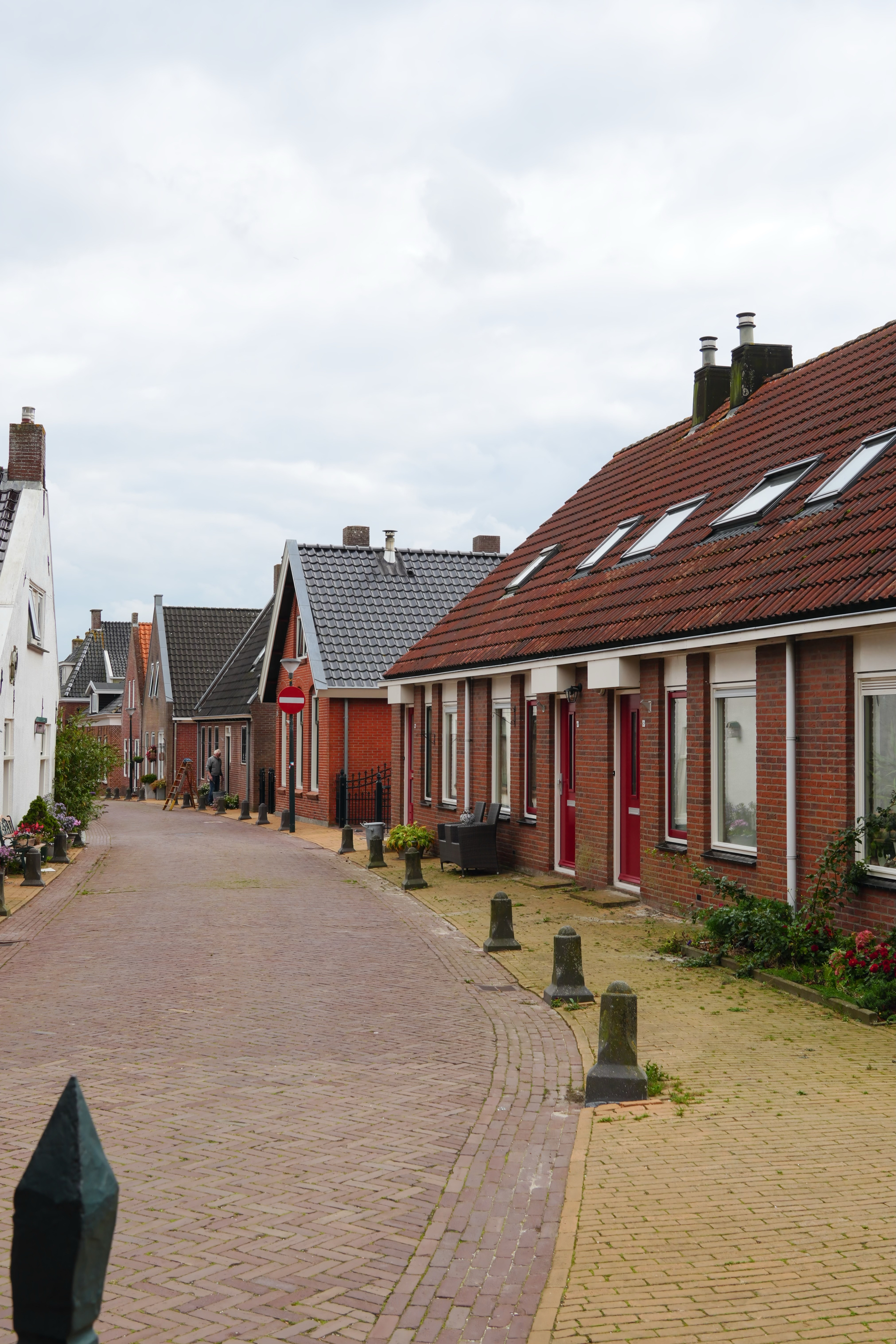
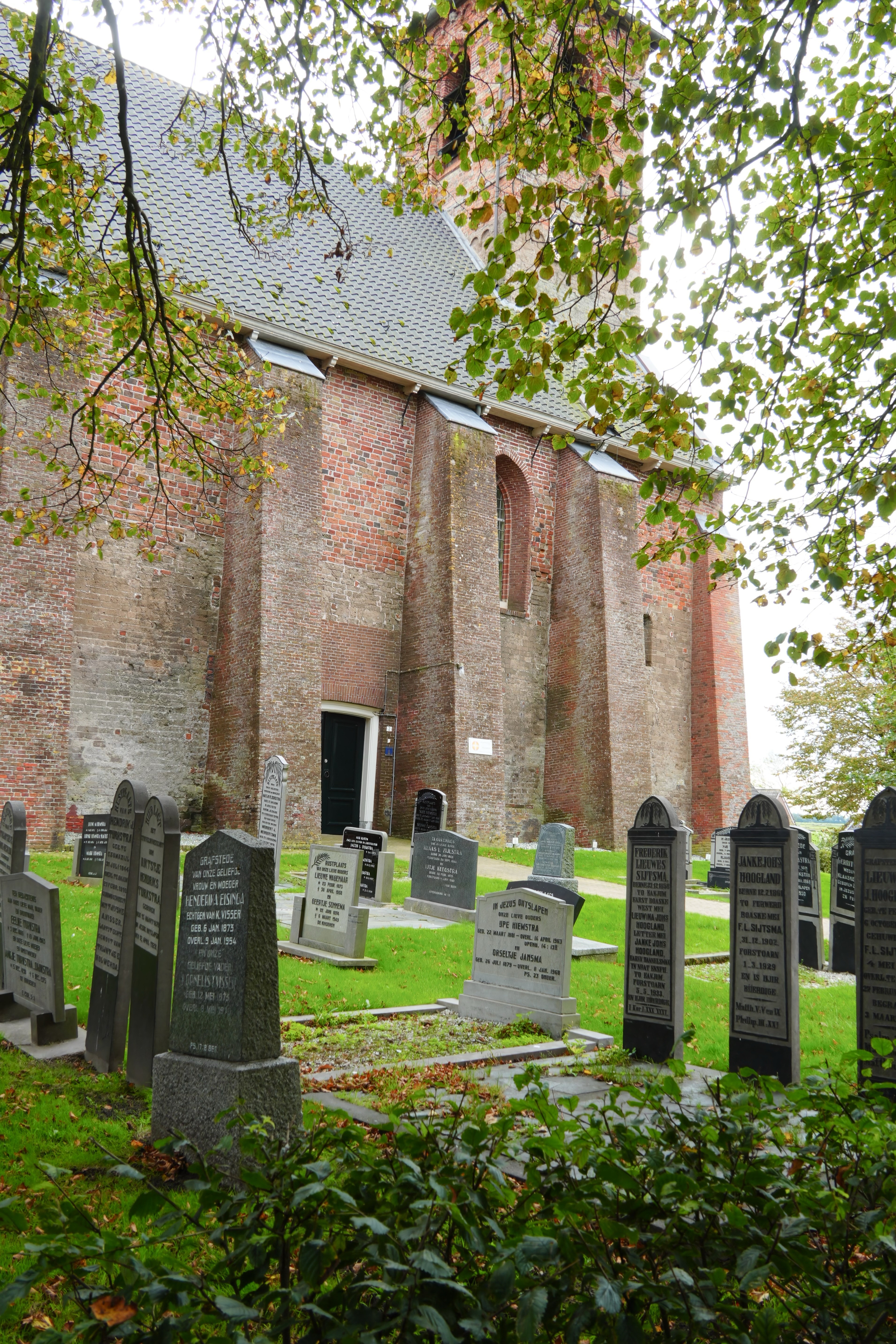
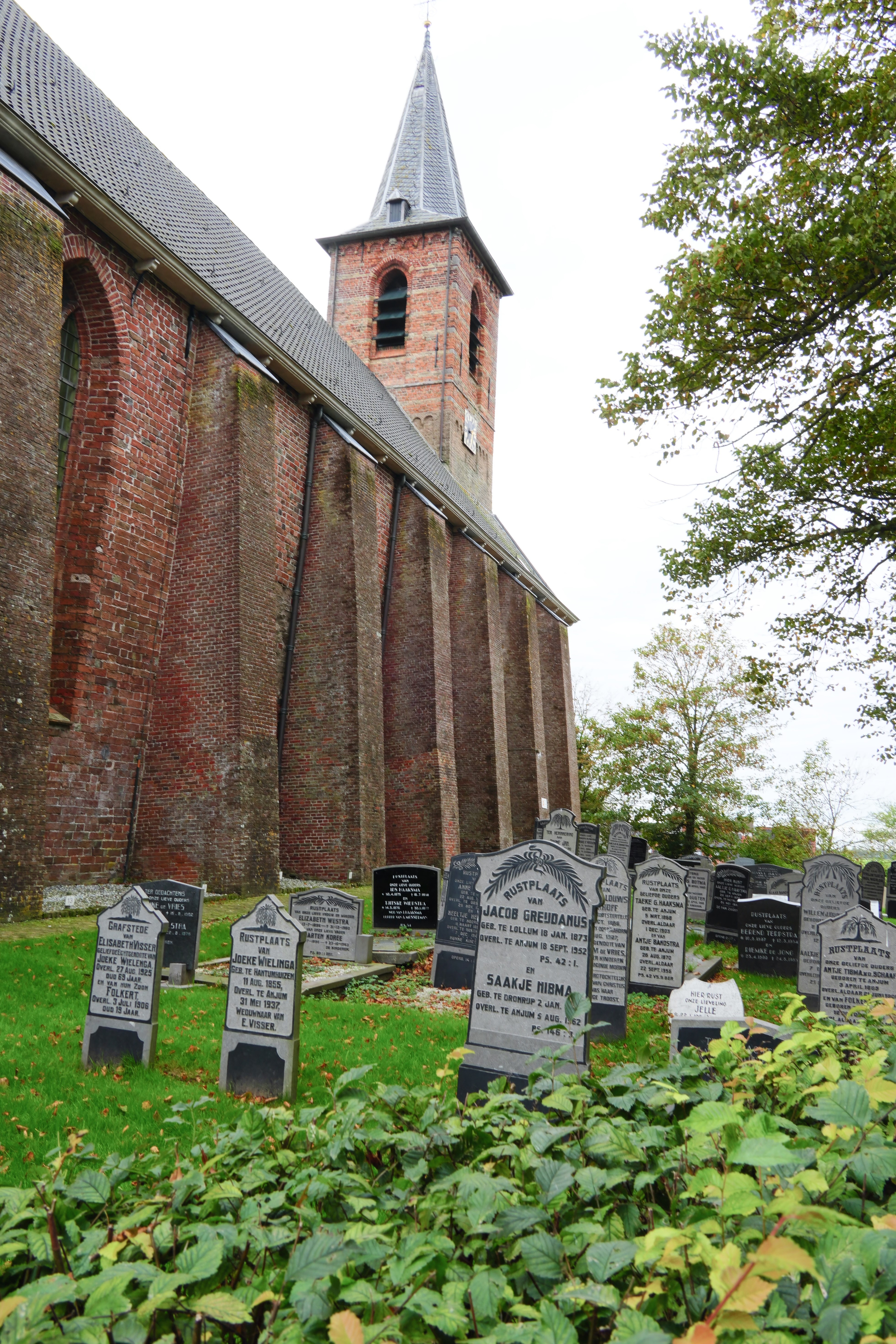
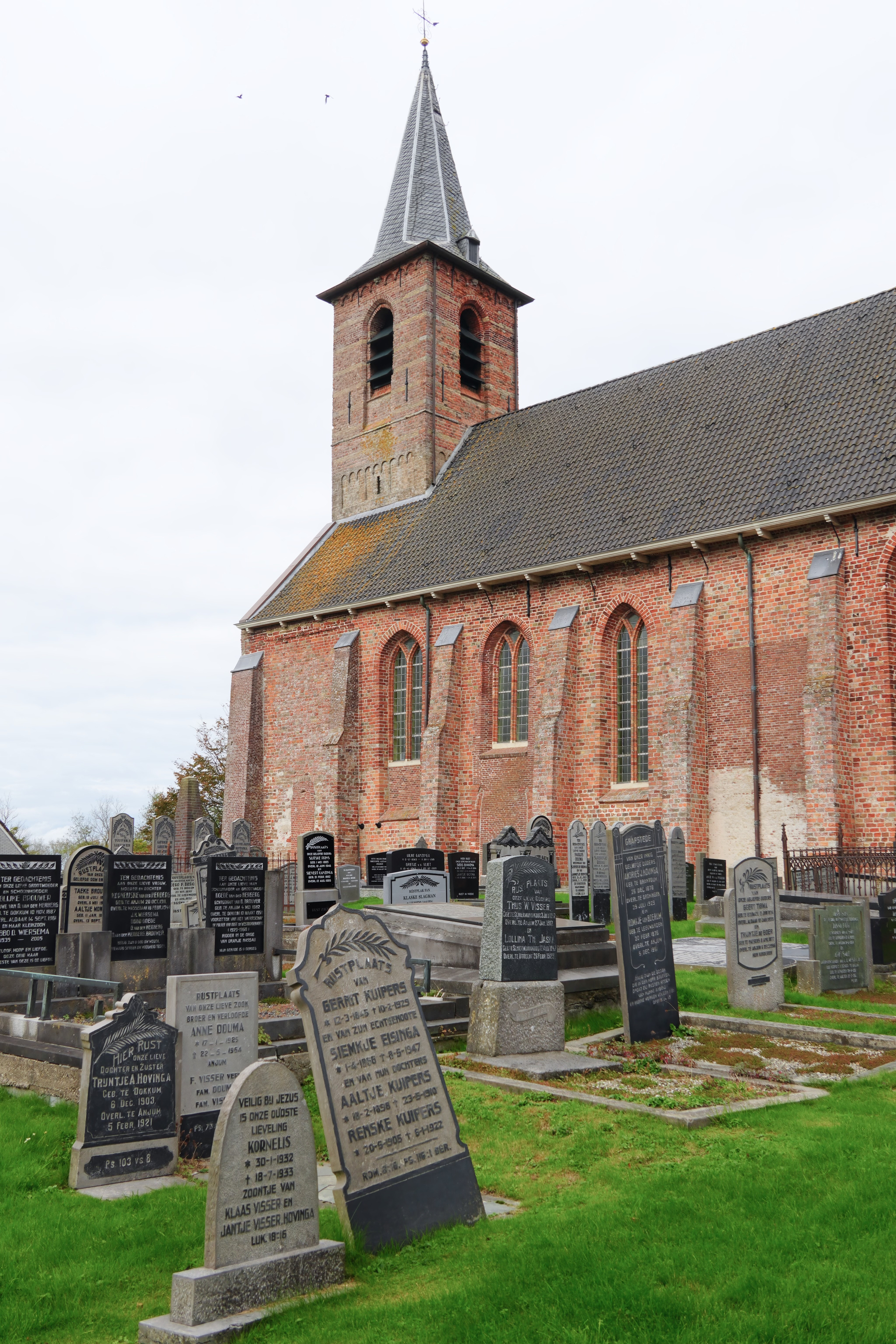
#fryslân #fakânsje #vacation #travel #photo
A view from the house.
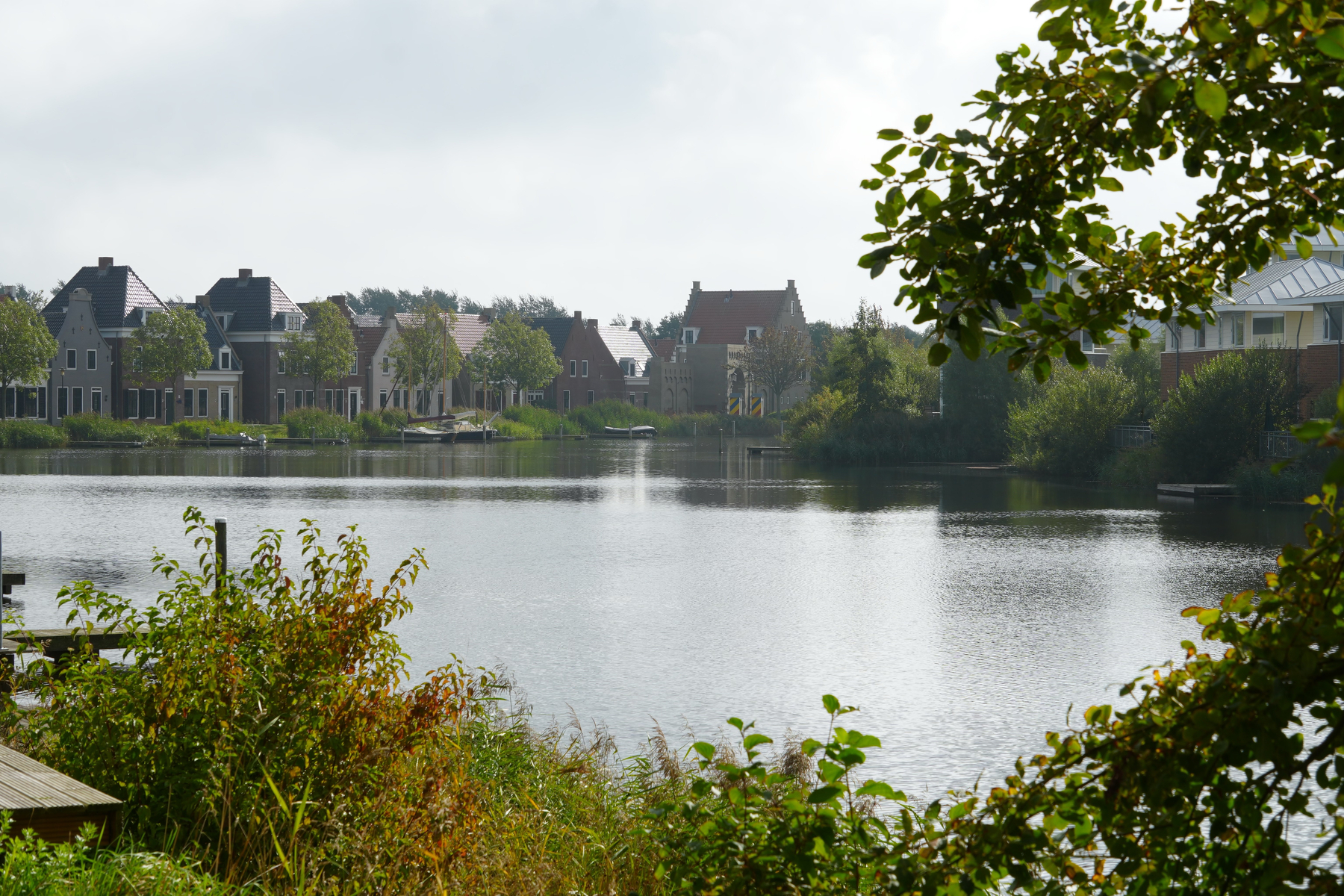
And Lauwersoog harbour.
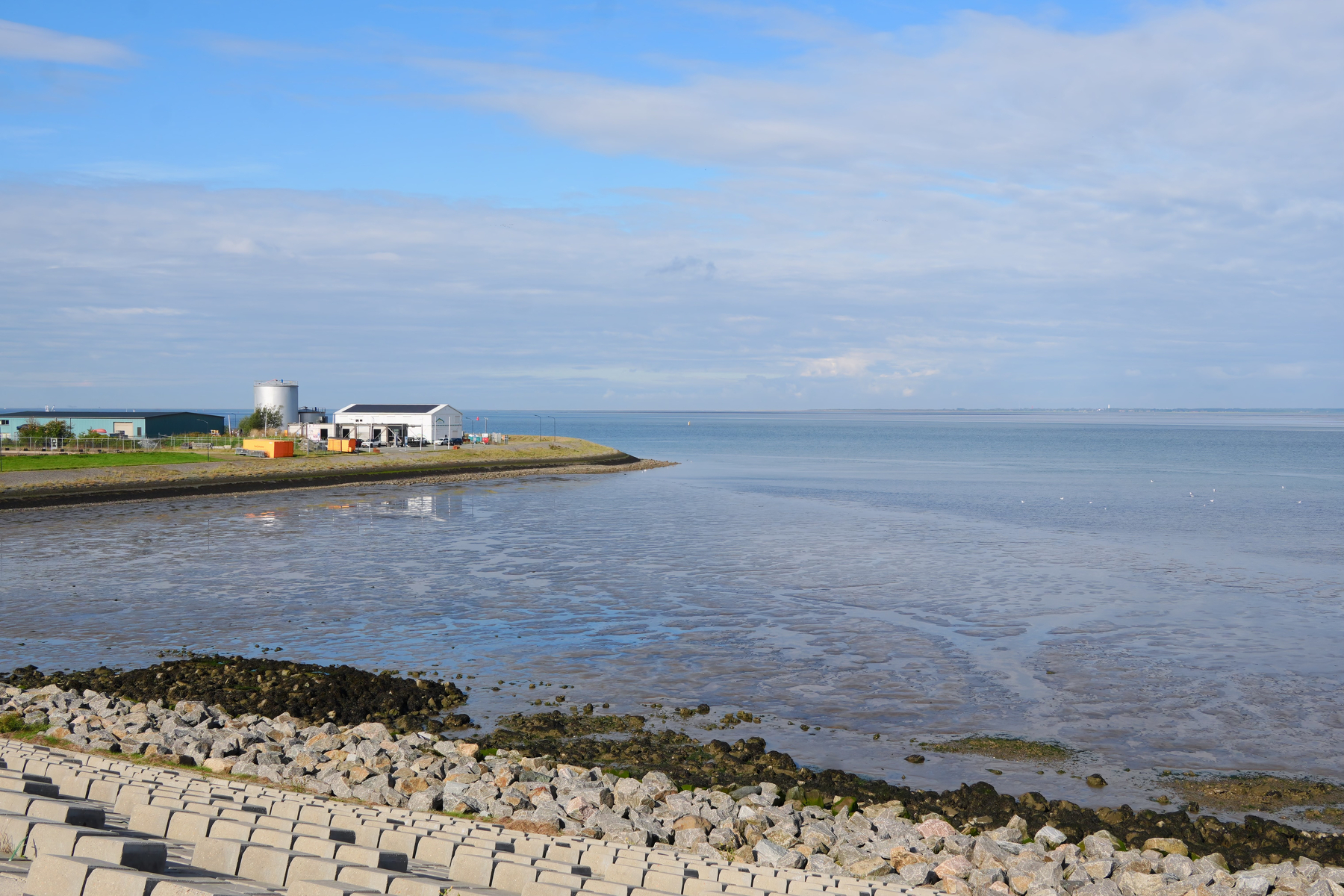
#fryslân #fakânsje #vacation #travel #photo
About a year ago I stopped working and am now a pensioner. I looked for something to do that would, ideally, combine sport, photography and my interest for history.
Living, as I do, 45 minutes per bicycle from Cologne, I thought that medieval trading goods traded through Cologne might be a good topic. Their sources and markets could be visited by bicycle if close enough and by Deutschlandticket if not. Once there, I could take photographs to my hearts content. And as there are literally hundreds of possible goods, if we go from the 4th century AD Franks up to Napoleon in the 18th.
Also, I could just start. I have a computer, a camera and an ebike. Perfect.
Also, as a project it is somewhat sustainable for a pensioner. I can replace the ebike with public transport or car if cycling gets to difficult, I can keep researching and (at least) looking at pictures as long as the eyes will work.
I first looked at Rheinisches Steinzeug (Rhenian Stoneware) because I was familiar with the potteries of Frechen, an easy cycle trip away. Even though the potteries in Frechen moved to industrial wares (vitrified clay pipes for waste water, tiles and large scale wall cladding, …) the heritage got preserved because one of the industrialists gave himself a museum for his birthday, the Keramion.
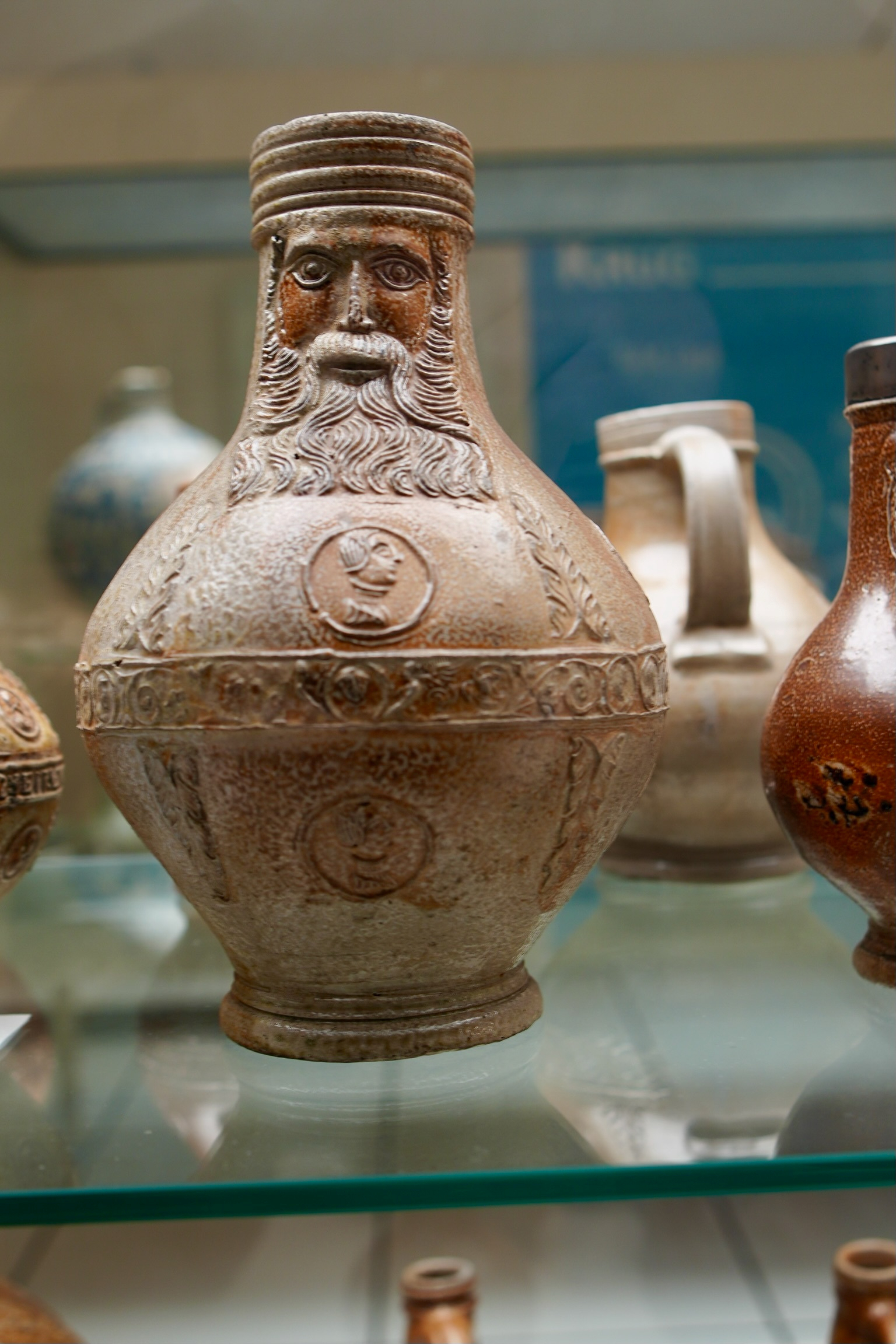
Further research led to Siegburg, Raeren, Langerwehe and the Westerwald and …
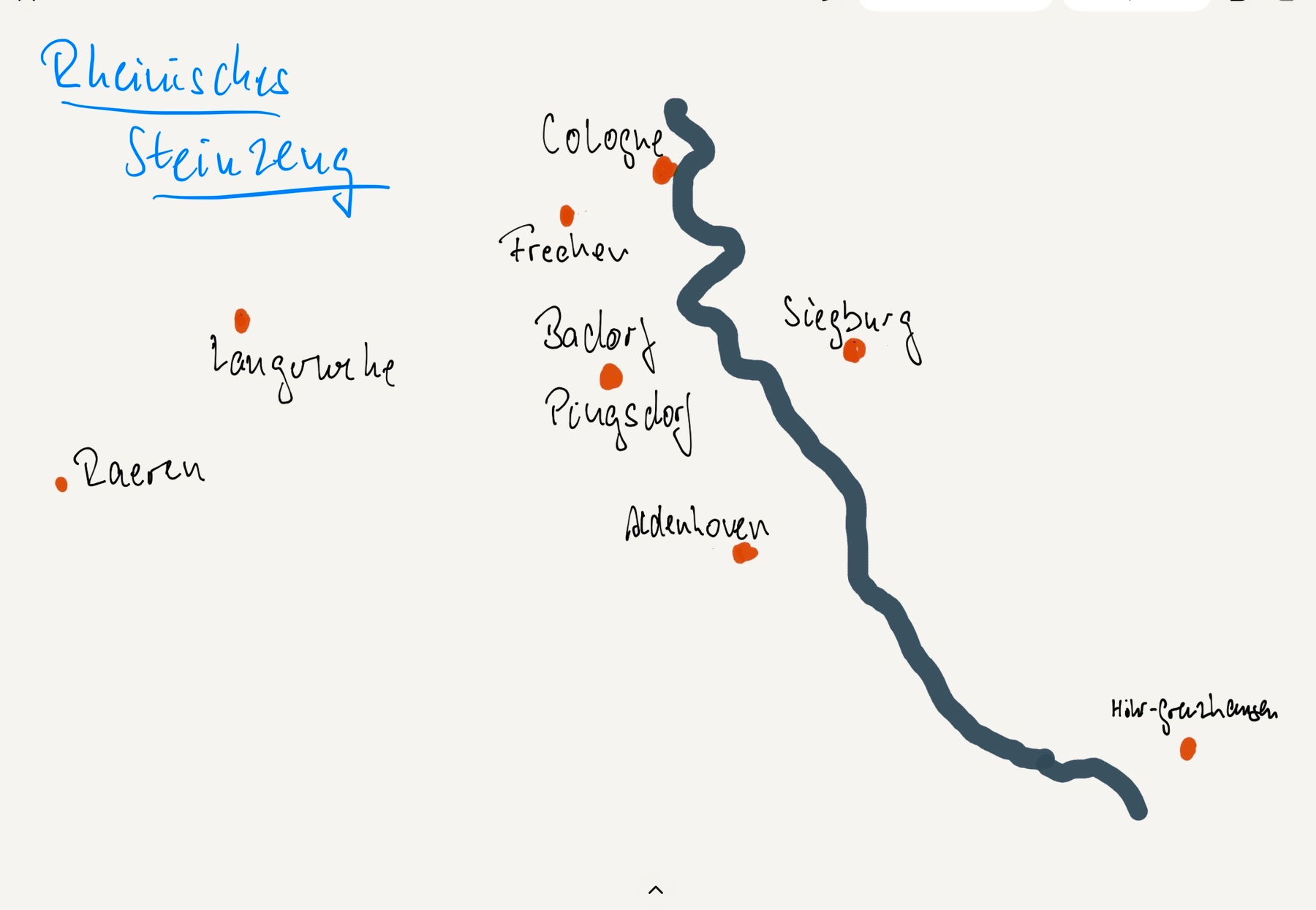
And apart from some museums being closed for renovation:
some other museums had much less on show then I thought, or had been led to believe by (admittedly late 19th century) sources.
I traveled, I took pictures, this looked easy, or at the very least doable.
There is even an international research project going on: Bartmann goes global
Coming off that “high” I selected the Sarwörter as the next topic.
Sarwörter were armor (Harnisch) makers (originally chain mail makers) and they gave that name to their guild as well as a Gaffel 1.
See also: The trade and history of the Sarwoerter in medieval Cologne
While the literature (see below) asserted quite confidently:
So far I have not been able to find a museum that exhibits Cologne armor (Harnisch) or chain mail.
Colognes production is overshadowed in the more popular literature by the production of the southern German cities of Augsburg and Nürnberg, who produced (also) high class pieces for nobles and royalty and are as such better represented in museums and collections. Much nicer to look at, then the workmanlike quality meant for the troops.
There are two challenges.
a) find the sources to pinpoint a workshop (let alone a particular source of iron). After all we are talking about broadly the time between 1100 and 1700. So quite a bit, and the references are sprinkled over many different sources.
b) Cologne has changed quite a bit since then and the city scape looks quite different - Secularisation and destruction of church property - Modernisation and the car centric city - The destruction during the Second World War
In Where are the pictures of the SARWOERTER you promised I traced the location of the Gaffel Hall of the Sarwörter Gaffel to his street junction.
The obvious answer, for both is probably the Bergische Land which is a bit too large to photograph easily. There are also too many known mines for a quick trip. Further research is necessary. 2
A trawl through Cologne City Libraries especially the section about Cologne found some good overviews, but nothing that would have been helpful to plan a cycling tour.
Online was much better, as a lot of literature up to the early 20th century has been digitized, getting the University library card opened up more, and now, being a “Gasthörer” access is very good.
The challenge is no longer finding stuff, but reading it all.
At the moment I have 703 source markdown files relevant to my “research”, ca 414 MB.
In hunting down relevant source material I early on stumbled on the Hansische Geschichtsverein. On their site they have almost everything they ever published since 1870 in digital form, or as links. This seemed really promising, since Cologne of course was a city of the Hanse.
But this also yielded almost two hundred books of several hundred pages, assorted (hundreds of) footnotes and so on.
If I wanted to do any cycling tours before my 100th birthday, reading each of the books in detail, making notes as I go, was not feasible, especially as most finds led to more books.
When I was still working, I used OBSIDIAN to keep track of my projects (I used to be a professional project wrangler for mumble mumble years), their deliverables, their actions, their minutes and my notes. All linked by simple tagging and made practical with Dataview (if you know, you approve).
So, I went back to OBSIDIAN and dropped in everything I could find. Which meant:
I tried various systems to make sense of it all, but it was extremely slow going.
This is the most important question a project wrangler (or anyone, really) can ask of a task or project, and I had to remind myself that collecting and hoarding (all mine, mine) files was not the goal.
In this case the goal is:
The goal is not:
An article about the “Karpathy LLM Wiki” caught my eye because the approach, if not necessarily the method, promised to bring some structure to my sources.
There even is an OBSIDIAN plug in that promises to turn your notes into a wiki.
In that wiki there would be two classes of notes, linked to each other, entities and concepts, which seemed ideal.
All my sources were either long out of copyright or open access, so I assume already in most KI models training materials.
Of course, turning ca 700 books into 3 to 5 (or more) entities and concepts first did nothing for my basic problem, I was just exchanging one collection of trees stopping me from seeing the forest with another, even larger, collection of trees.
I had to change the wiki structure to include a category person to be able to track professions or roles (eg being a Sarwörter or wine trader or …) and locations. At the moment the wiki has almost 950 persons, which are being enriched with their address, if any are documented. For this publications citing Schreinsbücher (medieval Cologne property registers) and guild documents are key. Also there are publications that cite “customs” (Akzise) records for cologne and list who was bringing what good into the city.
Also trade routes are now documented, there are some historical books on trade routes and a complete atlas of Hanseatic trade routes.
So the structure is, slowly, beginning to yield some results
Topic (eg Sarwörter)
- Person
	- Profession
		- Raw material (eg iron wire)
		- Product (eg chain mail)
		- Market in Cologne (if applicable, eg. Alter Markt)
		- Export market (eg. Groningen)
	- Adress
	- Time active (eg 1470)
Expect some pictures of modern houses. where medievall houses and workshops once stood. And pictures of maps, so many maps.
Next steps:
Product (eg chain mail)
- Raw material (eg. iron wire)
	- Sources
		- market (eg Frankfurt fair)
		- producer (eg a named mine)
	- Route to Cologne
Product (eg chain mail)
- Route to export market (eg Ochsenstraße (Groningen-Cologne))
- Export market (eg Groningen)
Then, because of LLM, each one has to be checked against sources while a (cycling) trip is planned. This is quite comfortable done with OBSIDIANs search function. 4
Gaffel, see Wiktionary ↩︎
Where did I steal that? It sounds like a quote ↩︎
If you use OBSIDIAN, see ASCII Tree Generator ↩︎
Would anybody be interested in the Obsidian setup and OpenCode? 5 ↩︎
Or will I be shot on sight? ↩︎
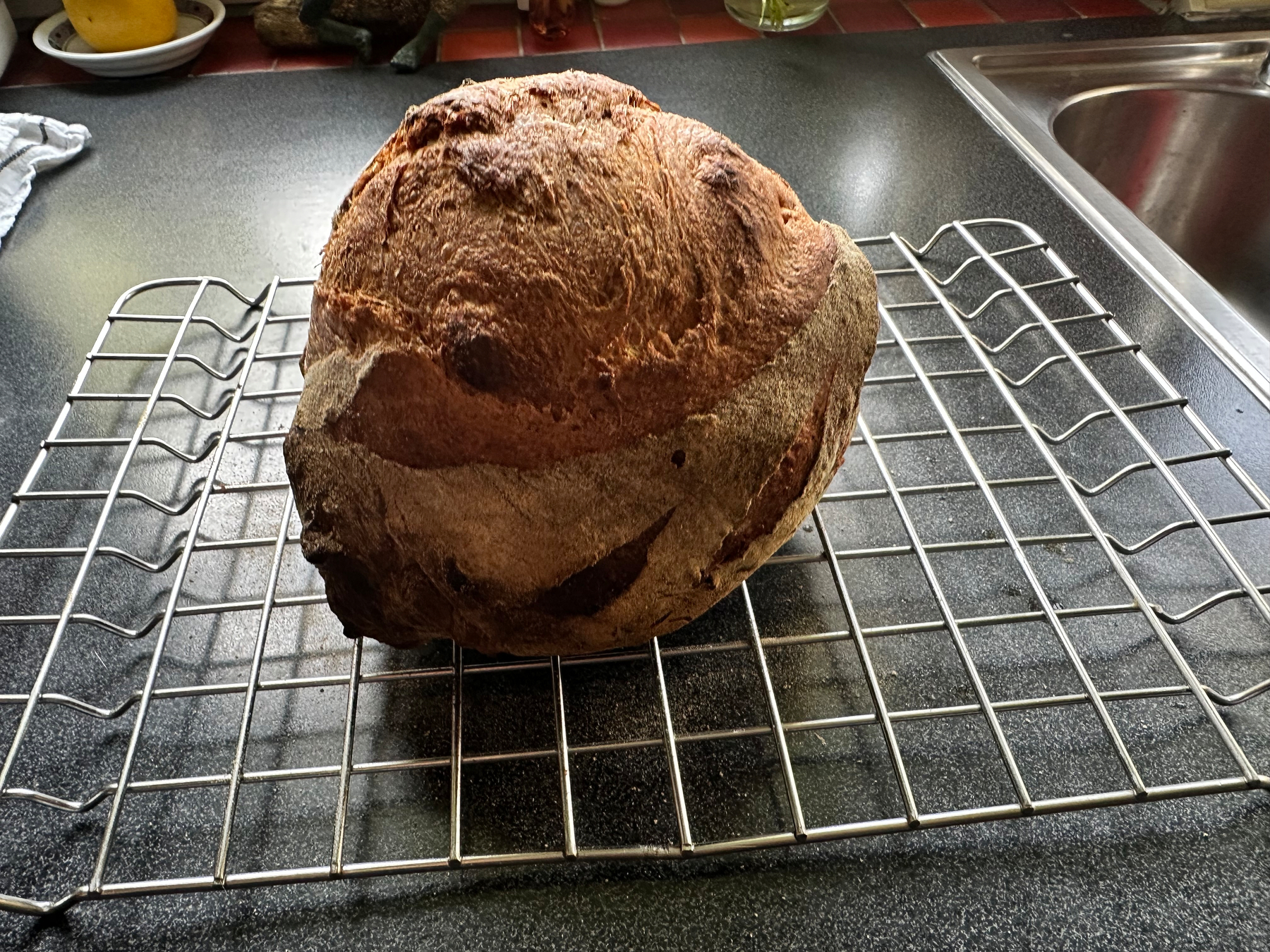
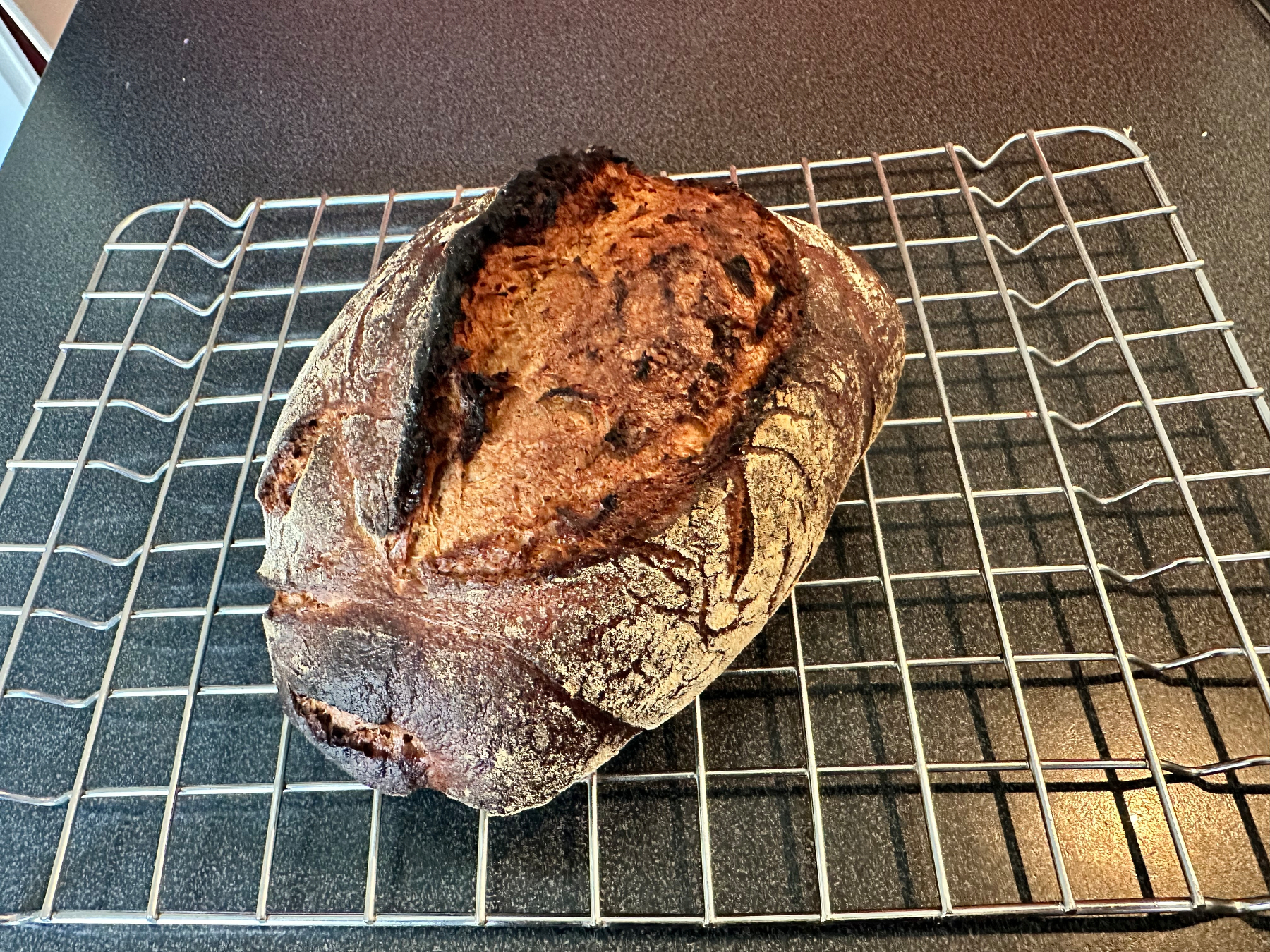
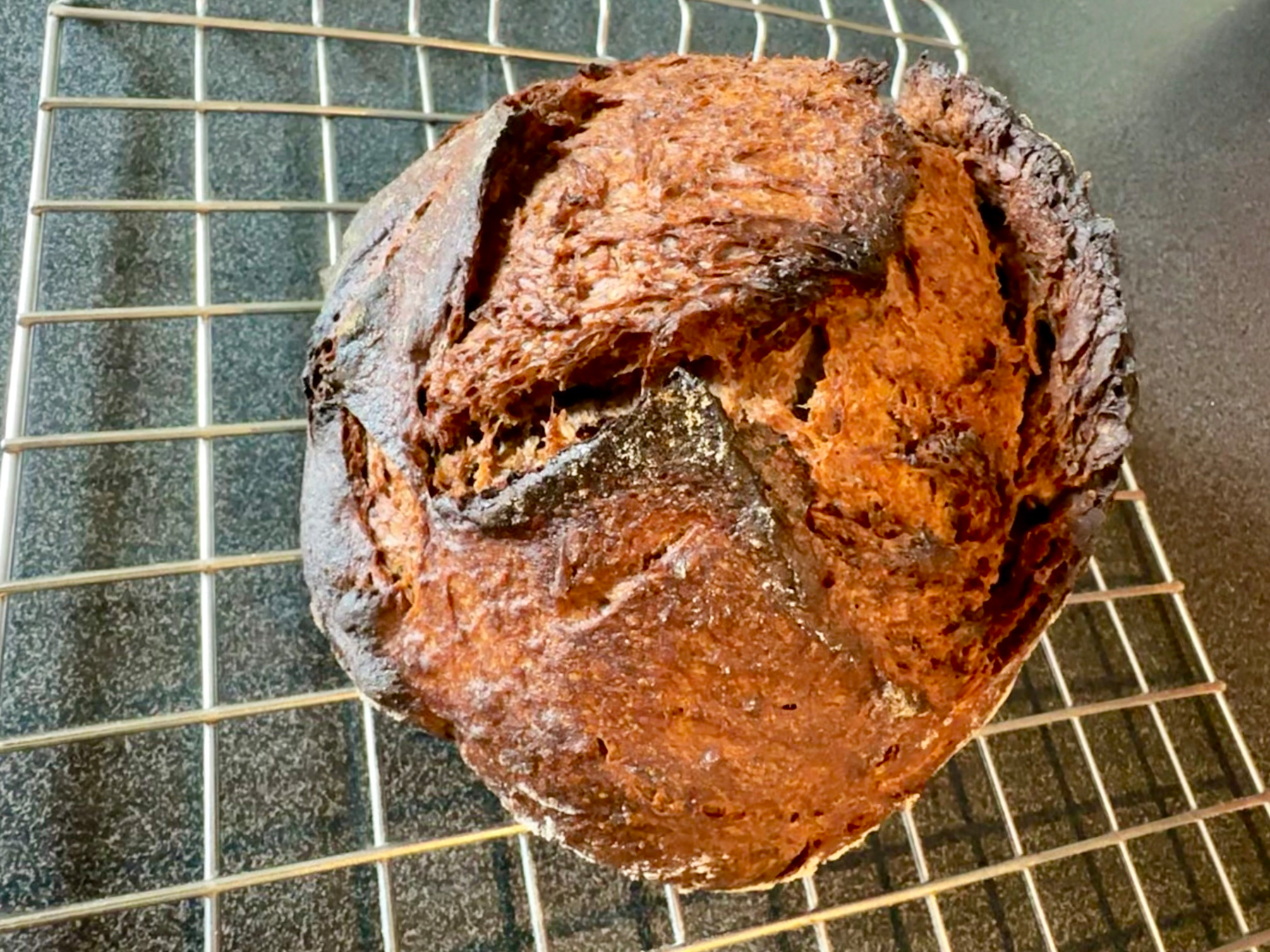
When is a boule not a boule?
If the shaping of your very short batard meets the steam you forgot to put in the oven.
#brot #bread #sourdough #LievitoMadre #Sauerteig @brotbacken@fedigroups.social
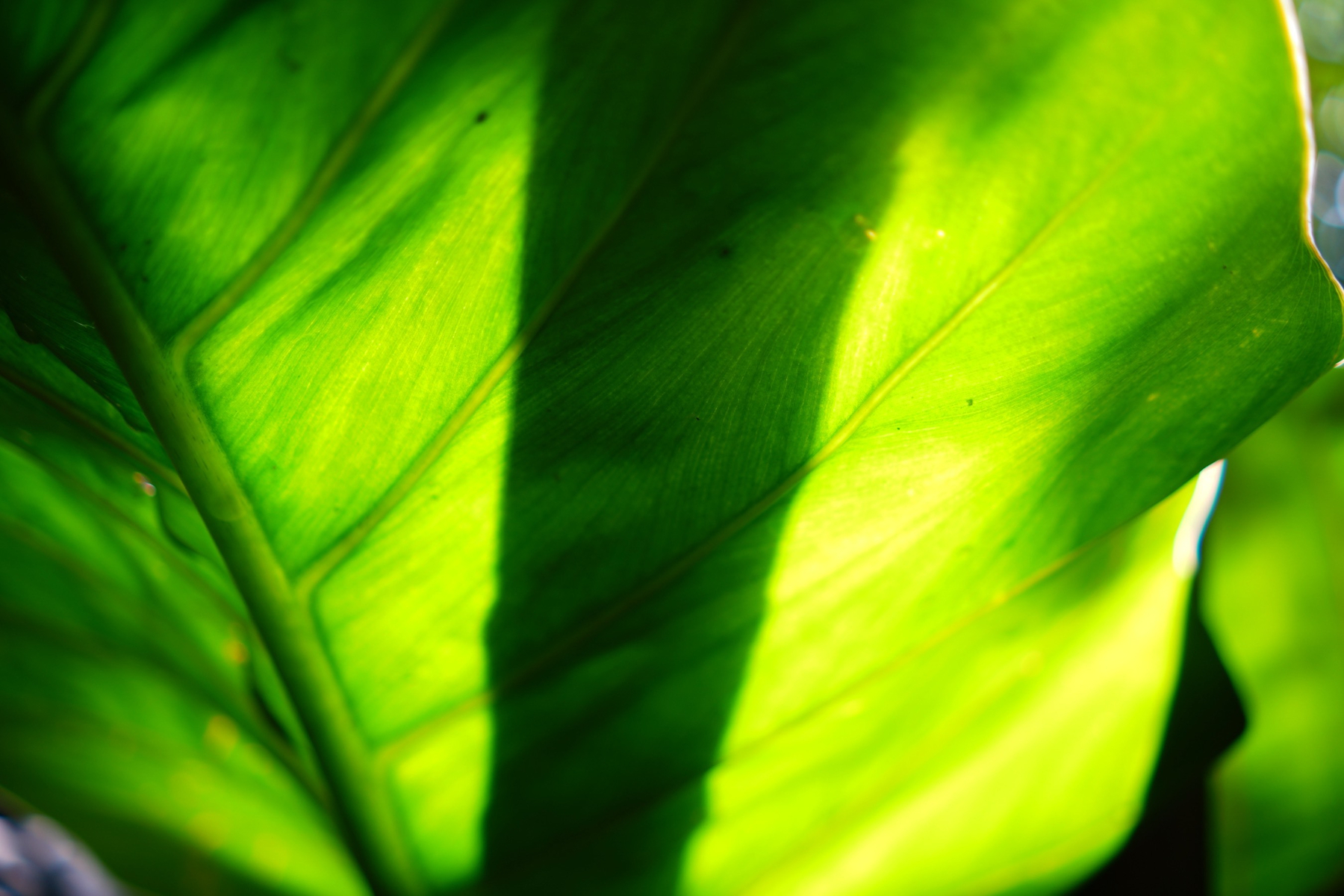
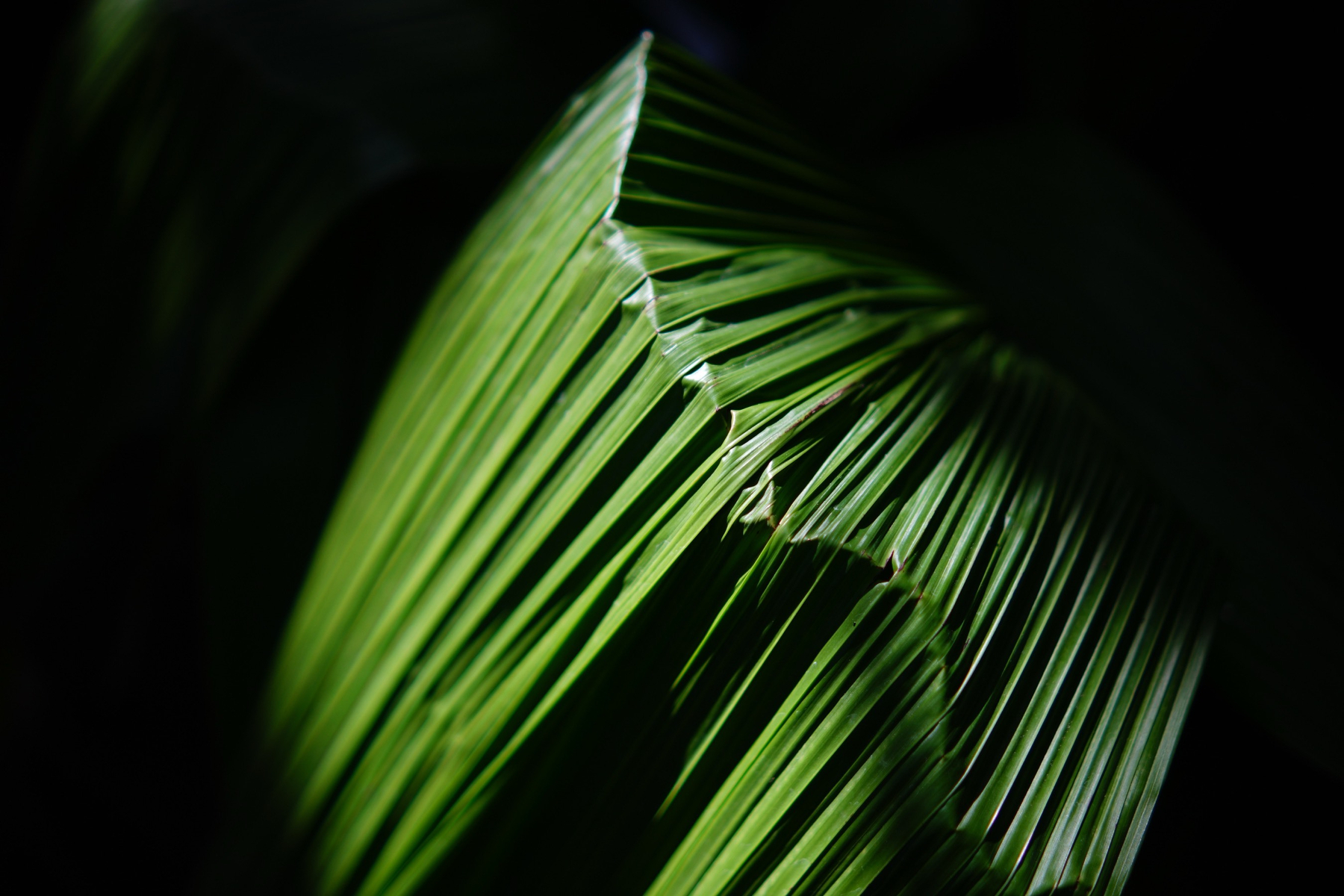
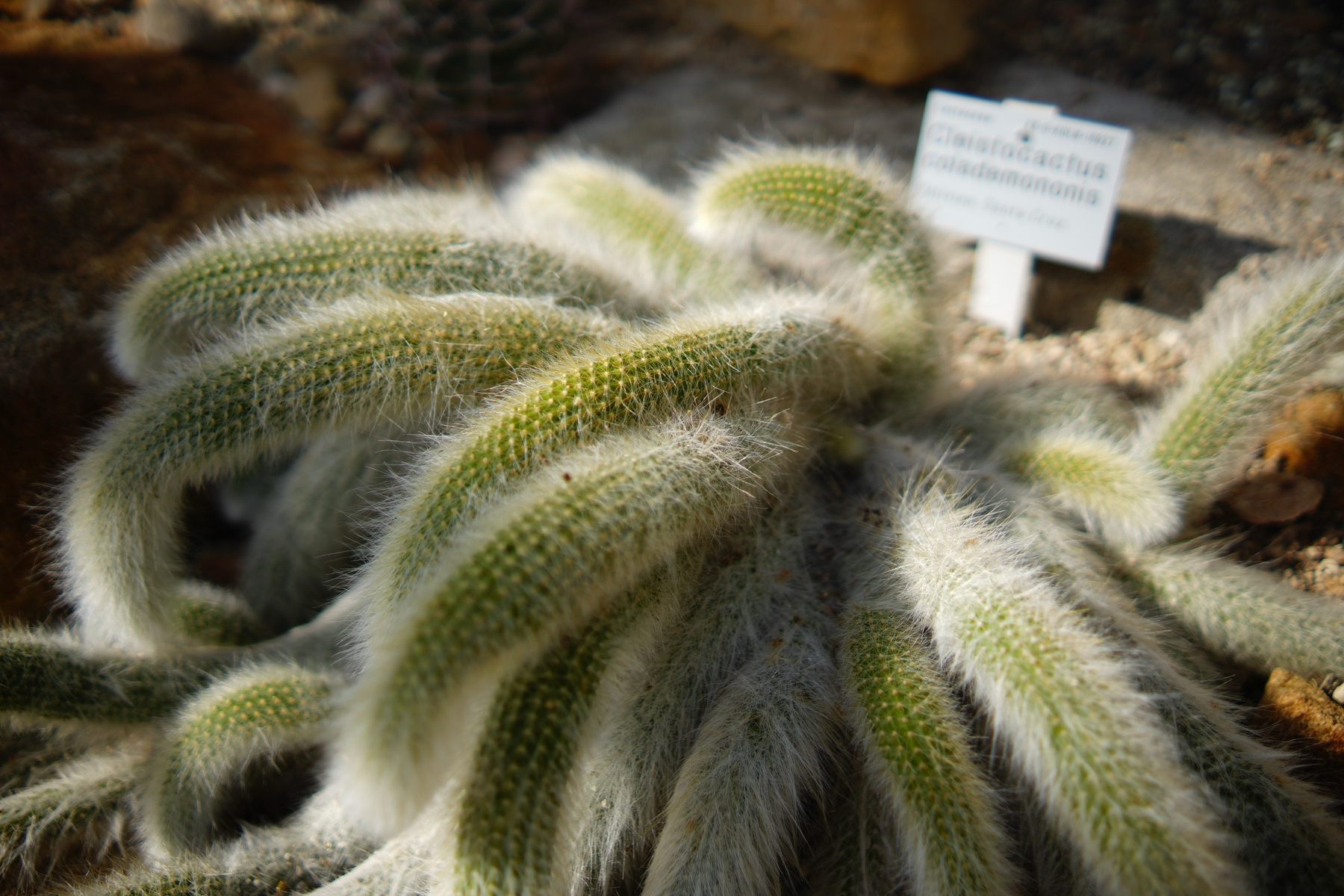
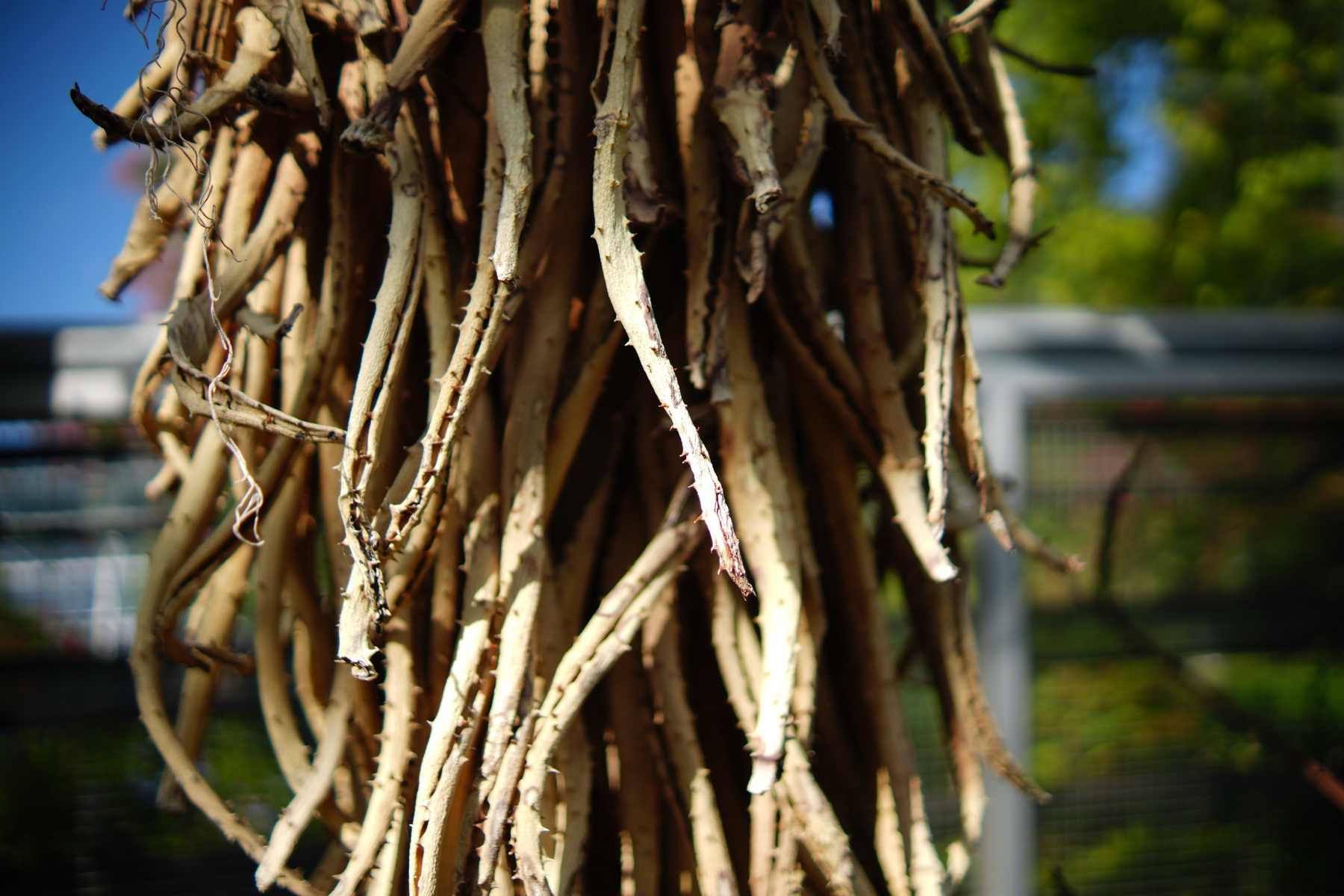
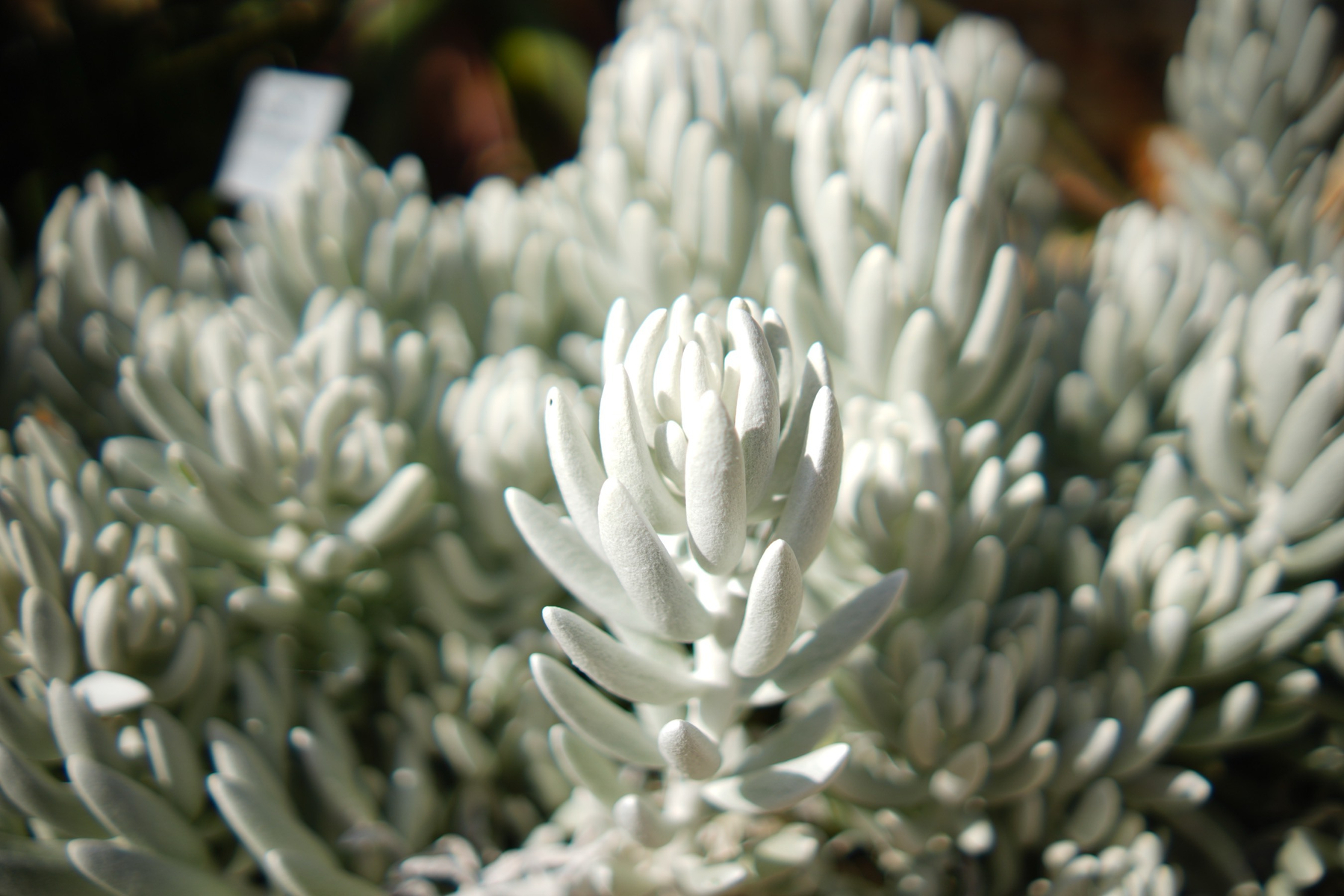
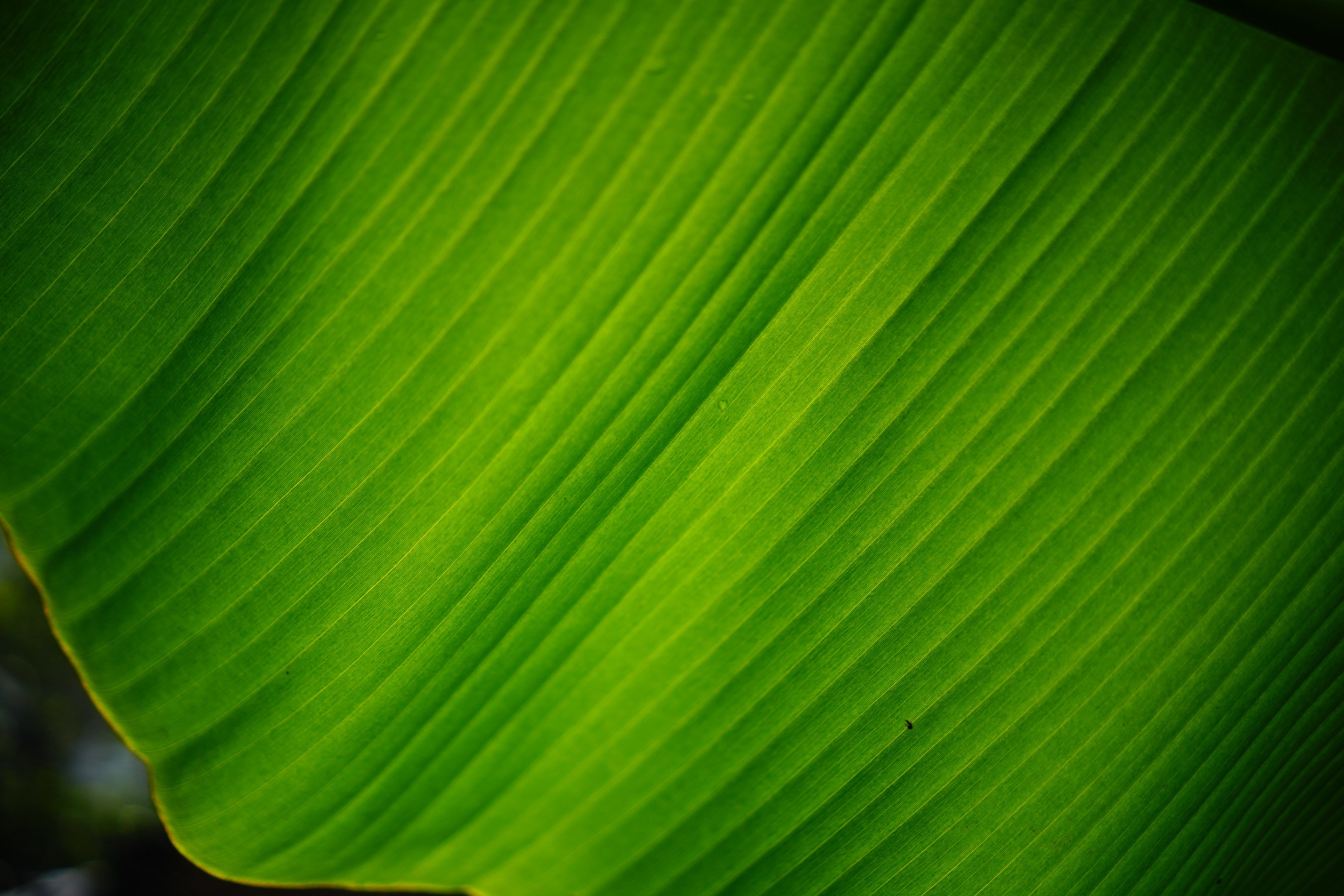
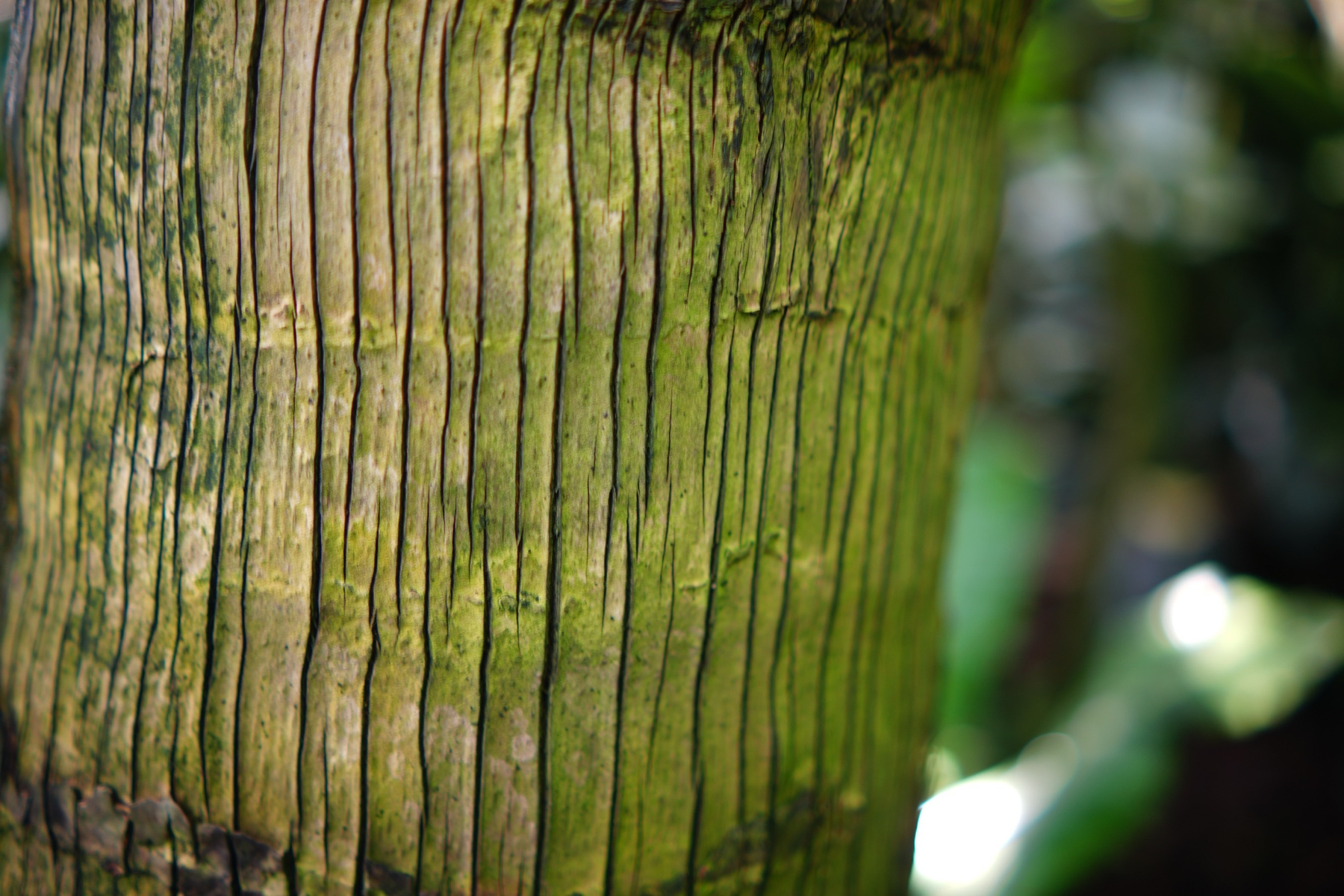
Surfaces - from the Flora, Cologne
#photography #fotografie @surface @texture @photography@fedigroups.social
Rolling in two directions might be the way
#brot #bread #sourdough #LievitoMadre #Sauerteig @brotbacken@fedigroups.social
Well, not so simple, unfortunately. As I mentioned before, the whole harnish making business is frightfully underrepresented. There are no easily accessible chunks. But. I had some, little, success.
The Gaffel of the Sarwörter etc. had their Gaffelhouse (meeting and admin) in the House “Zum großen Leopard” opposite the Minderbrüder monastery. A Gaffel in medieval Cologne was a group of guilds in one society that had a) representation on the city council, b) in case of war were going to defend a part of the city walls c) represented the guilds to traders, other guilds and the city d) enforced the rules of its guilds on applicable products and, finally, e) together with the guilds of the Gaffel provided basic social security.
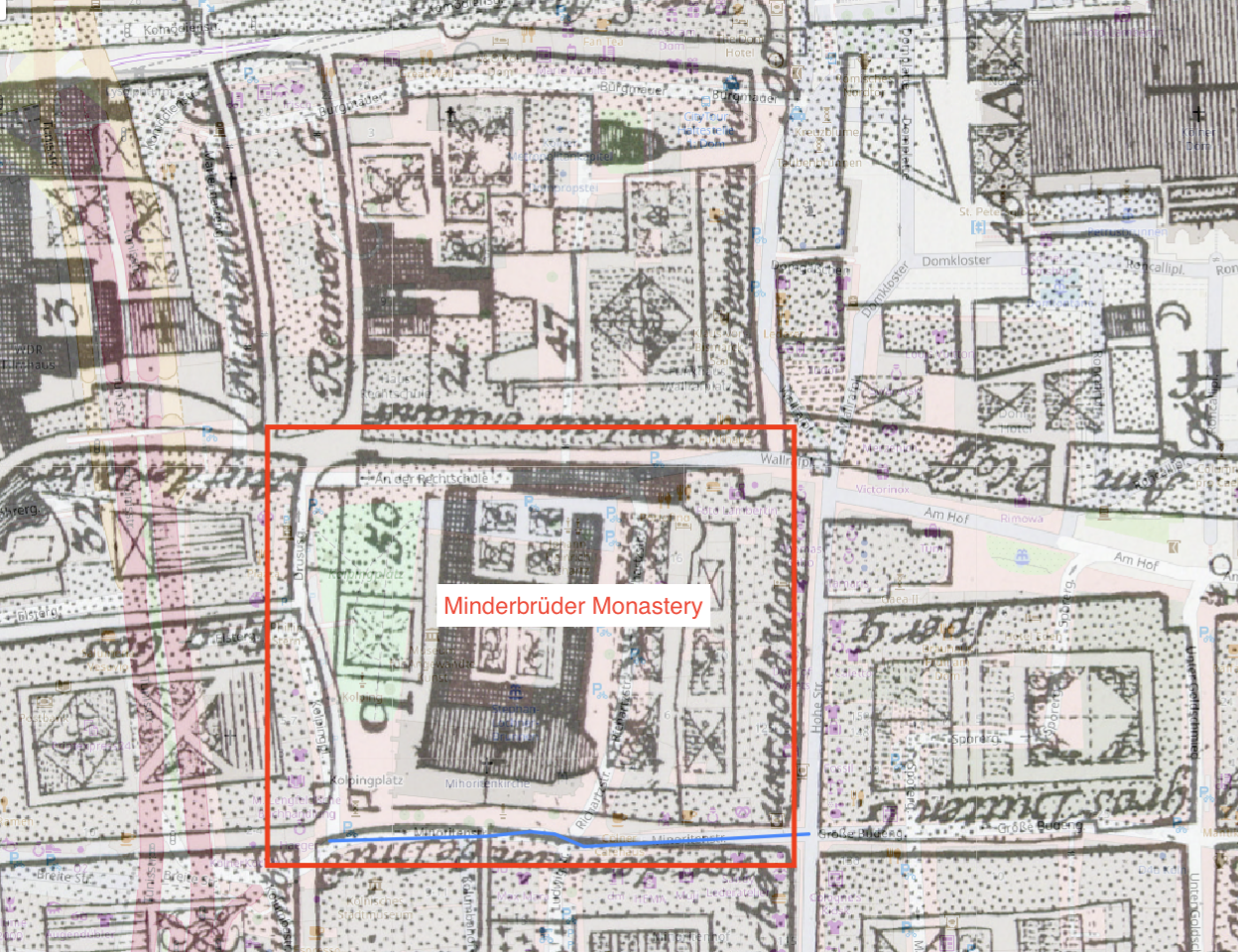
Cologne Cathedral in the top right corner, Map Rheinhardt 1752
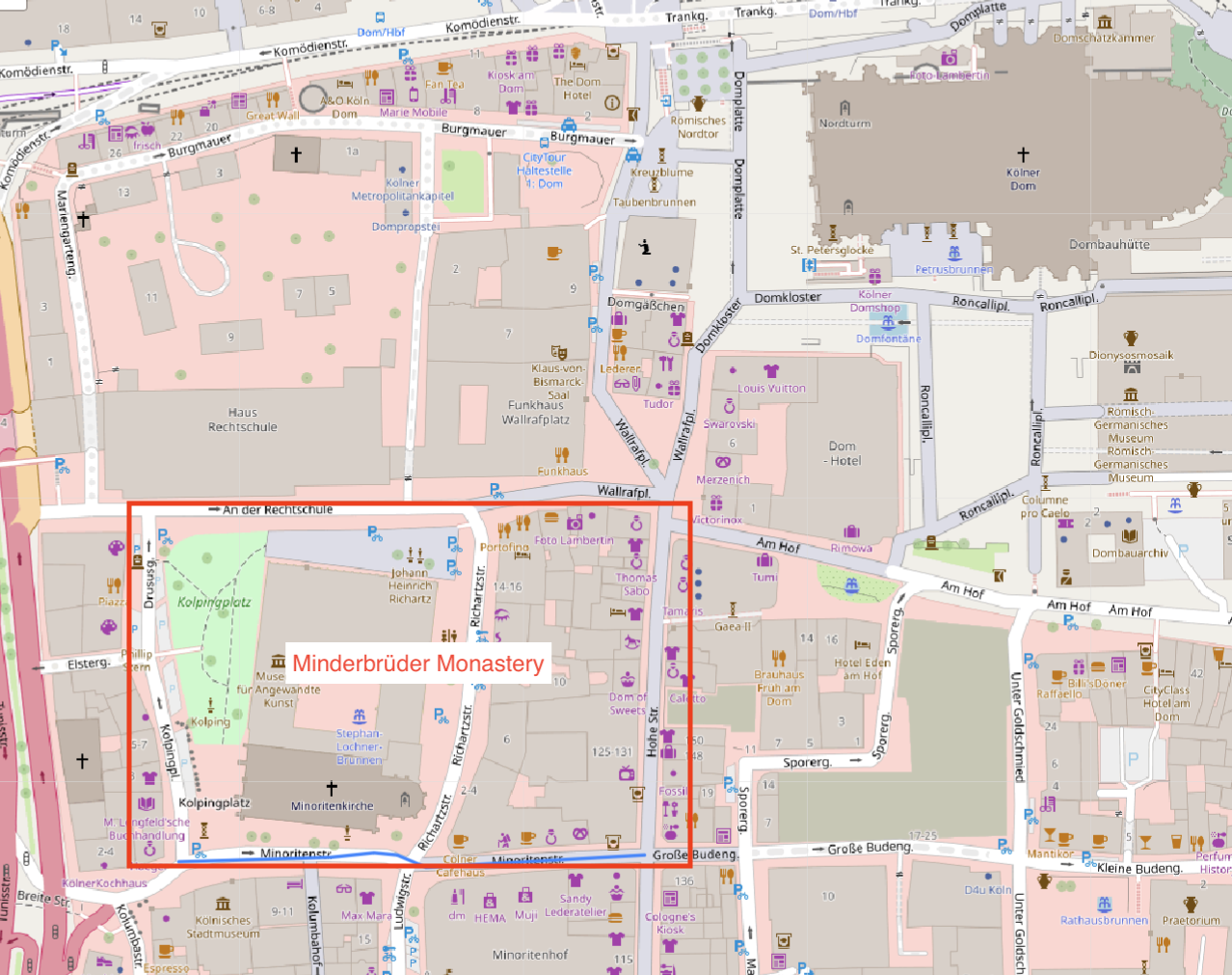
As we can see, the Minderbrüder (Minoriten) had quite some extensive holdings, founded on the area of the palace of the bishop of Liege (part of Church Provice of Cologne). In the east it is bounded by the Hohe Straße (the roman cardo maximus).
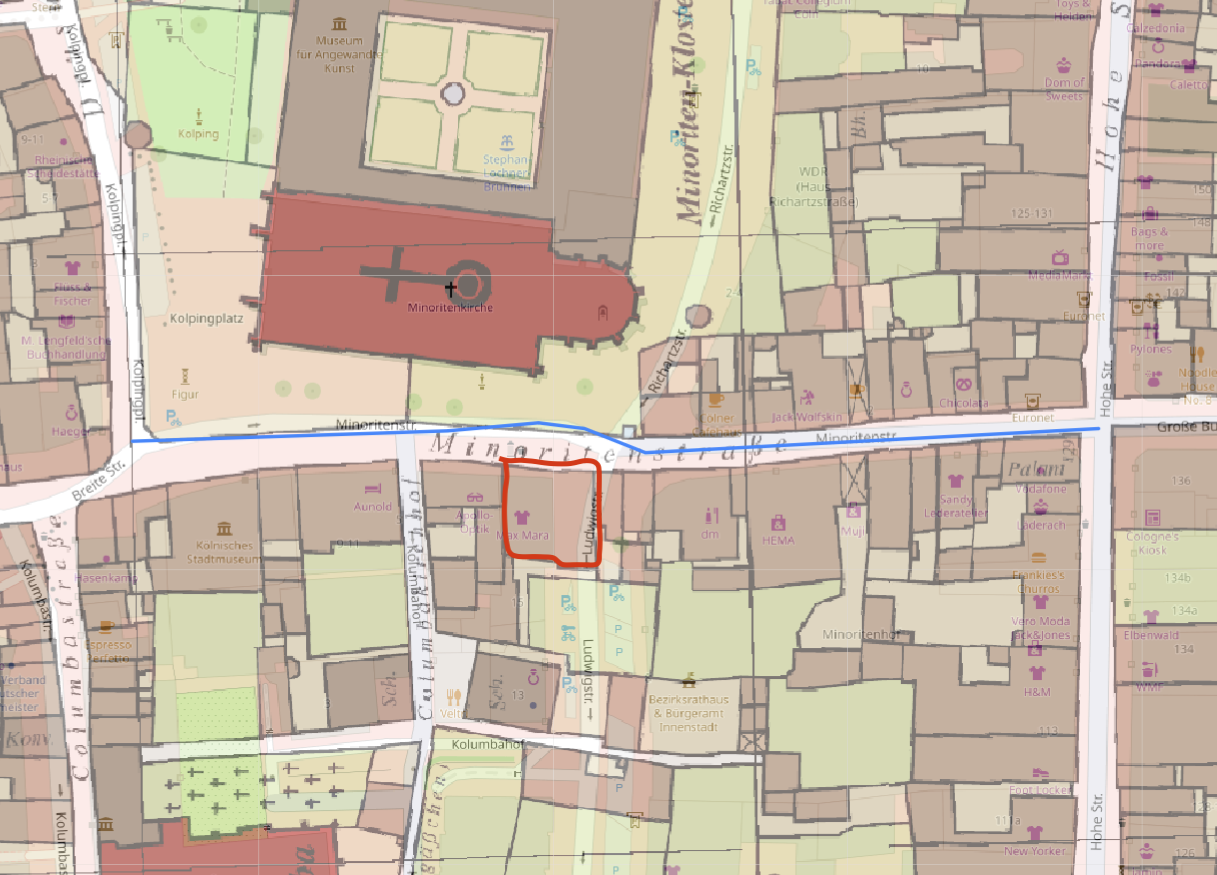
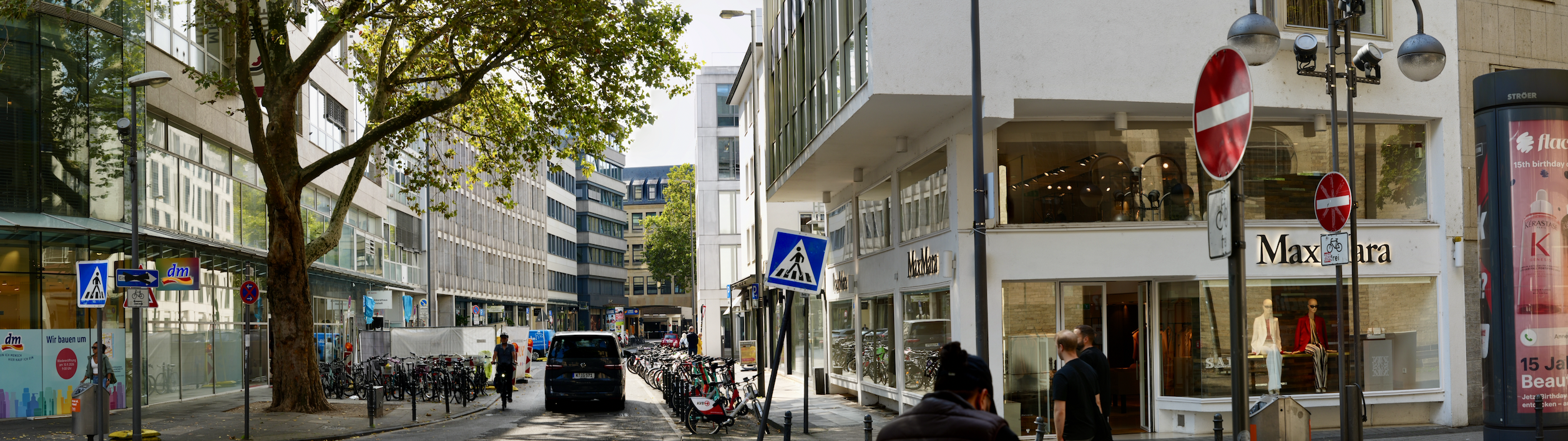
The House “Zum großen Leopard” was right opposite the southside of the church. And here is the photograph of the Gaffelhaus today.
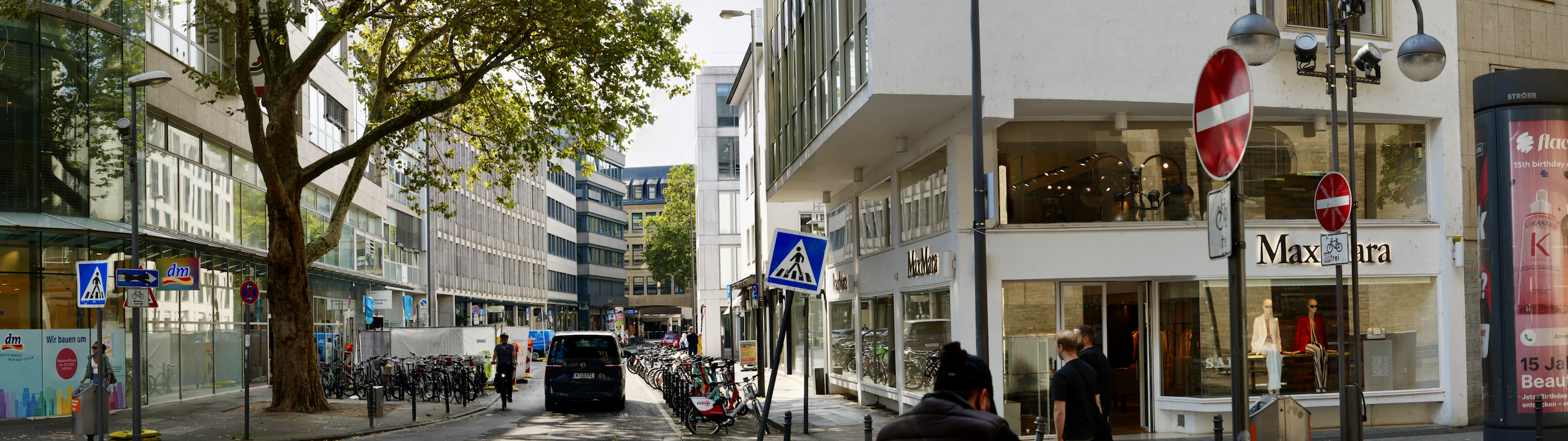
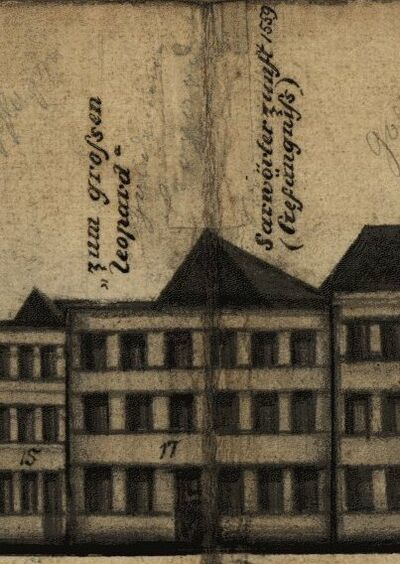
The house was torn down in the 19th century to make room for the Ludwigstraße, today the MaxiMara shop is on the site, which reached into the road. Here is the only picture of the Gaffelhaus.
Enlarged out of this “Kreuter’sche Karte”, namely No 62
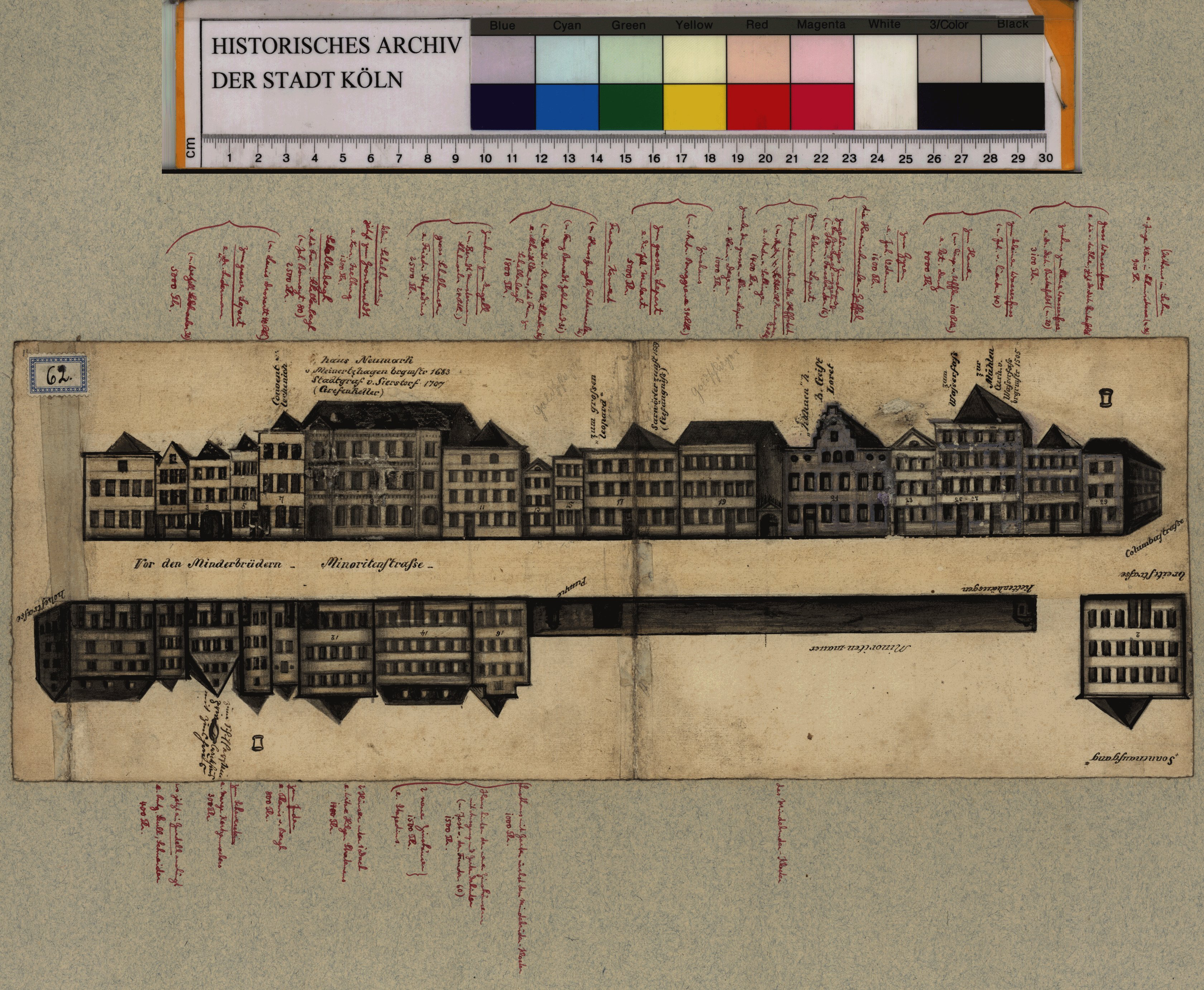
Some more about Franz Kreuter and his maps.
So, a start.
That was unexpected
Rolled up the dough first in one direction than again after a 90° turn.
#brot #bread #sourdough #LievitoMadre #Sauerteig @brotbacken@fedigroups.social