Posts in "travel"

Himmelswege

Where we went

We spent a week in Sachsen-Anhalt exploring the Neolithic monuments of the Himmelswege in the Halle (Saale) area.

We chose a hotel in Merseburg, which was centrally located for our trip.

In theory, the trip should have taken 4.5 hours, but in practice, it took longer—especially since we brought our bicycles..

Why we went

A few months ago, I discovered the himmelswege.de website while researching the Nebra Sky Disk. The site also introduced me to the Kreisgrabenanlage Pömmelte, which we had heard of, as well as Schönebeck and Goseck, which were new to us.

Since many of the sites appeared cyclable, we booked the hotel and set off.

The itinerary

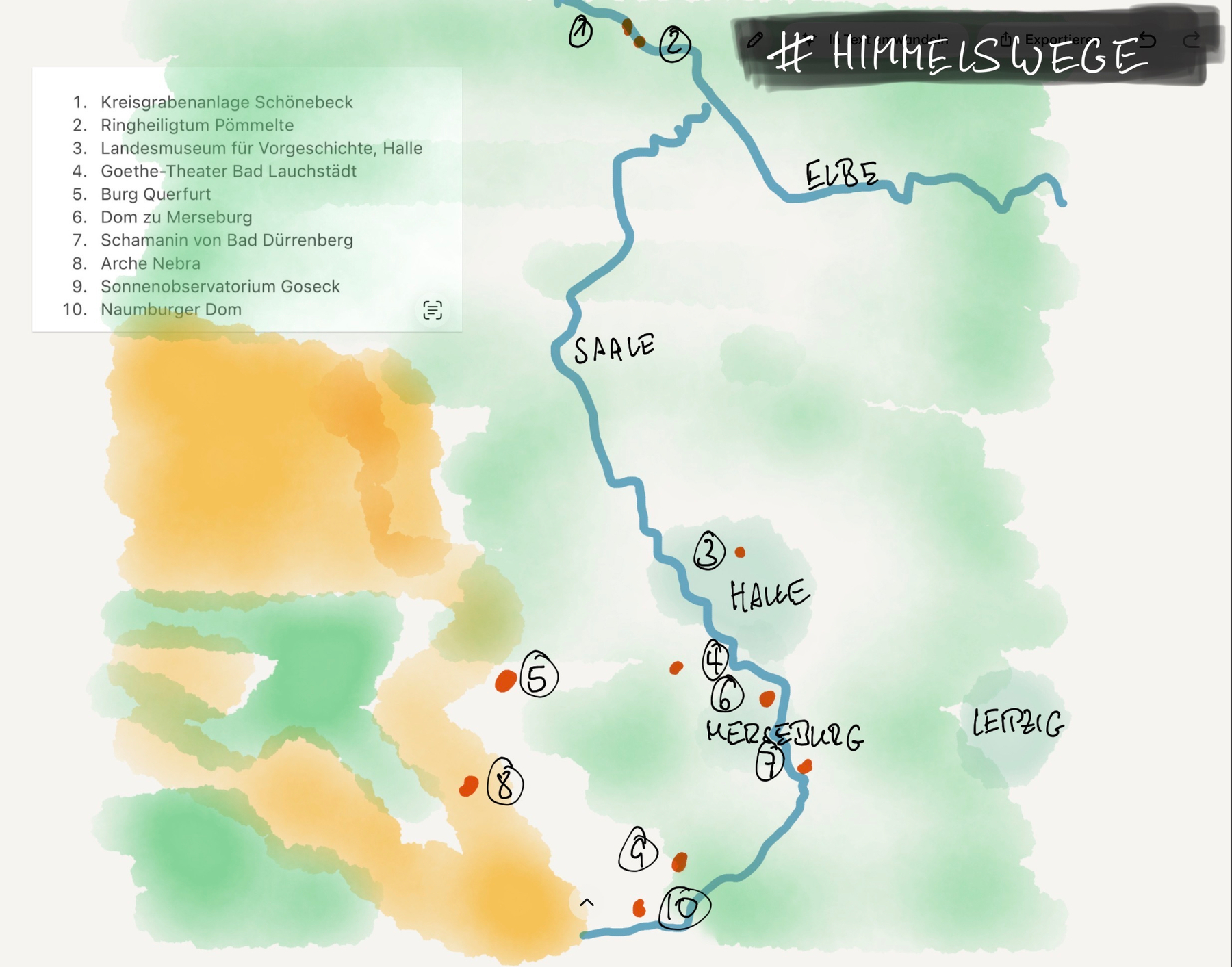
The map

A map illustrates the Himmelswege route with numbered locations, rivers, and highlighted regions in green and orange shades accompanied by a legend.

The yellow parts of the map are mountains.

Day 1 - Merseburg

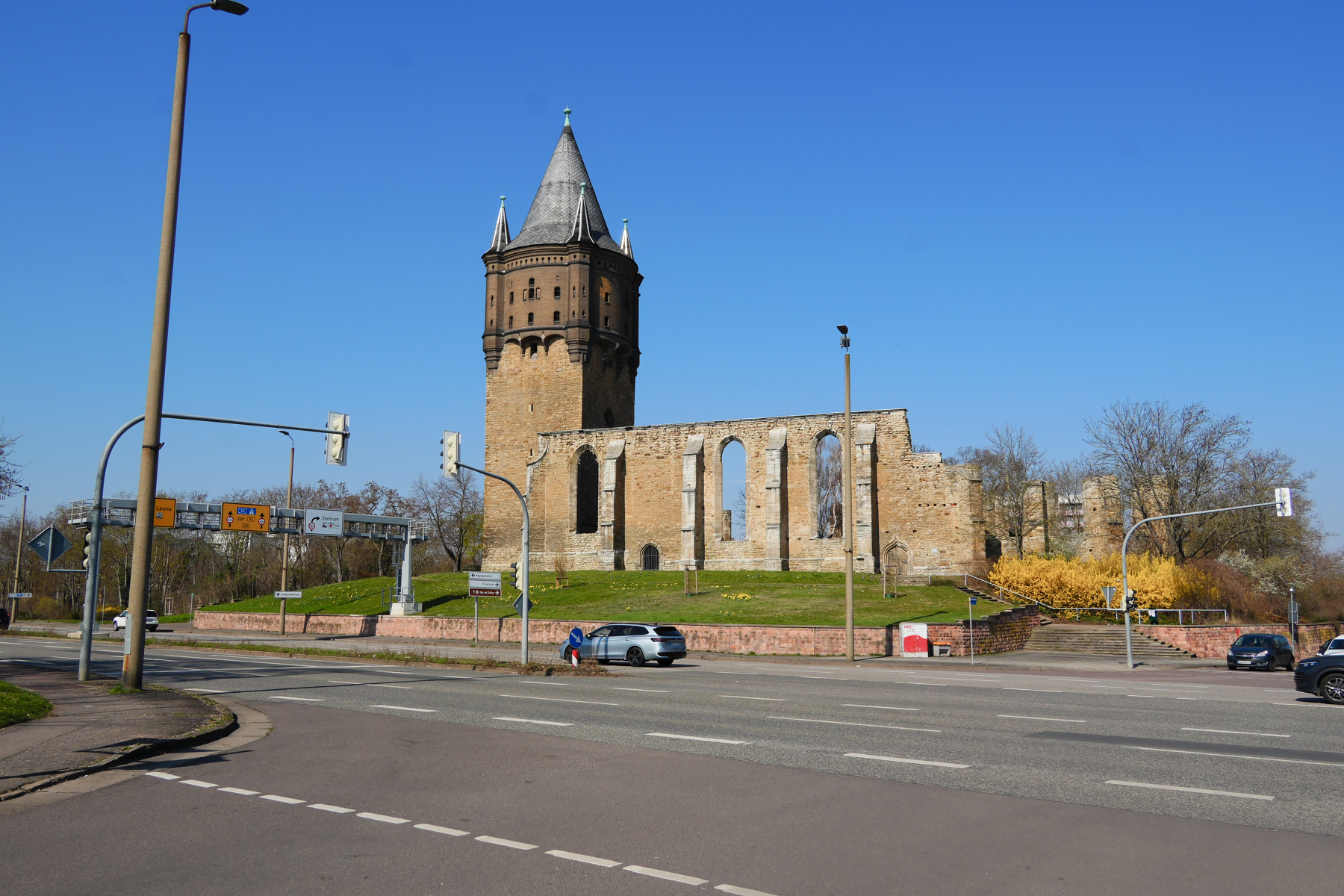
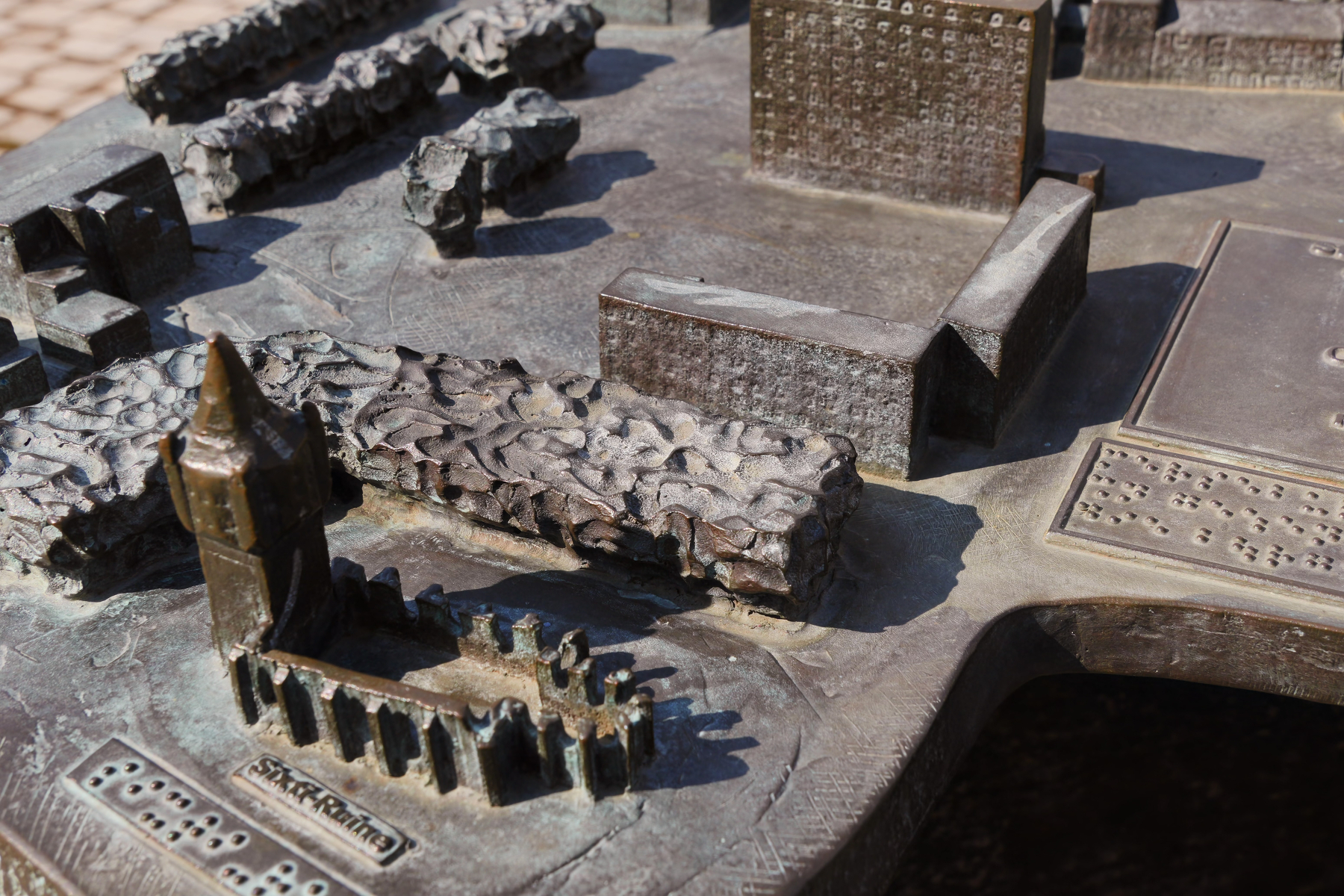
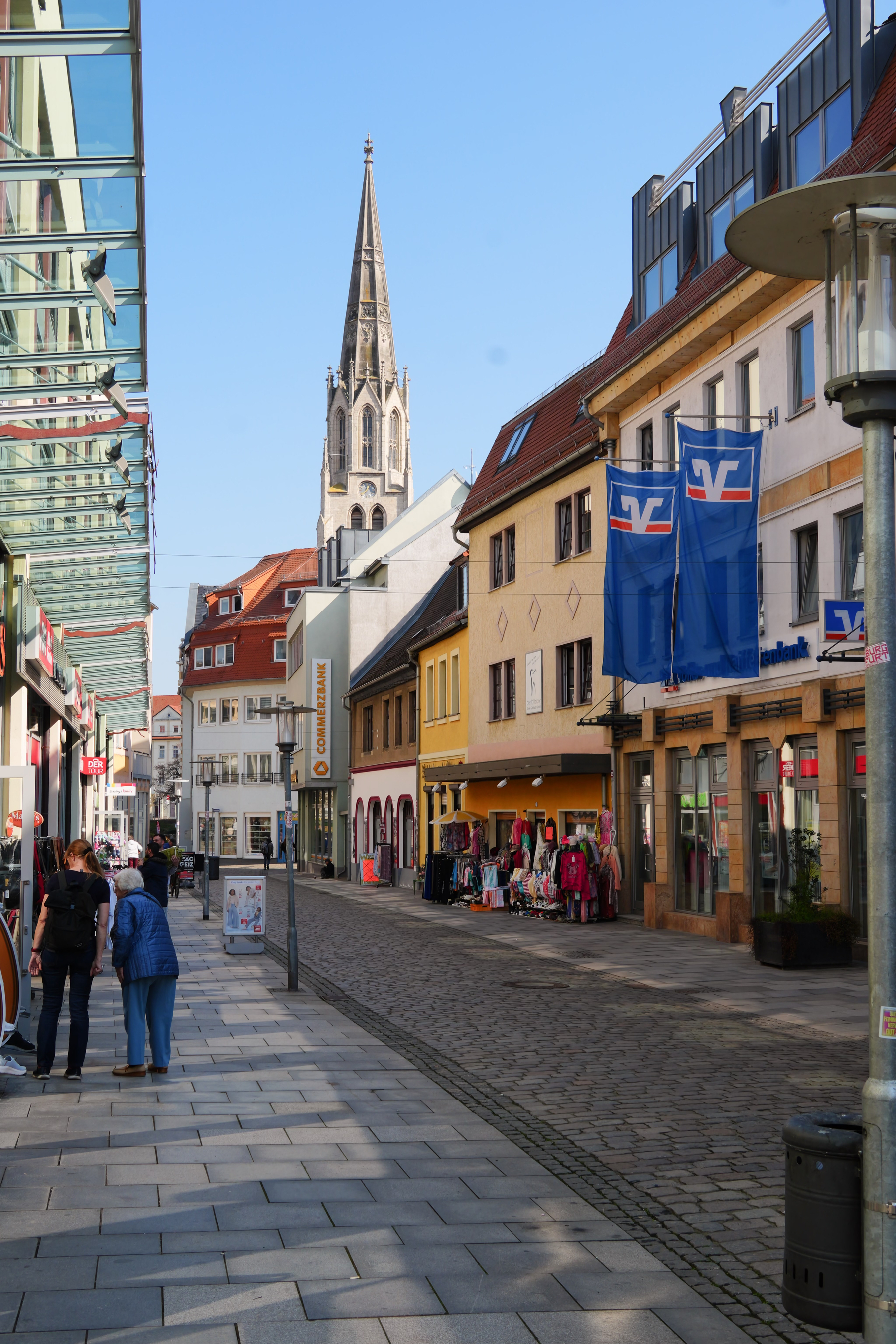
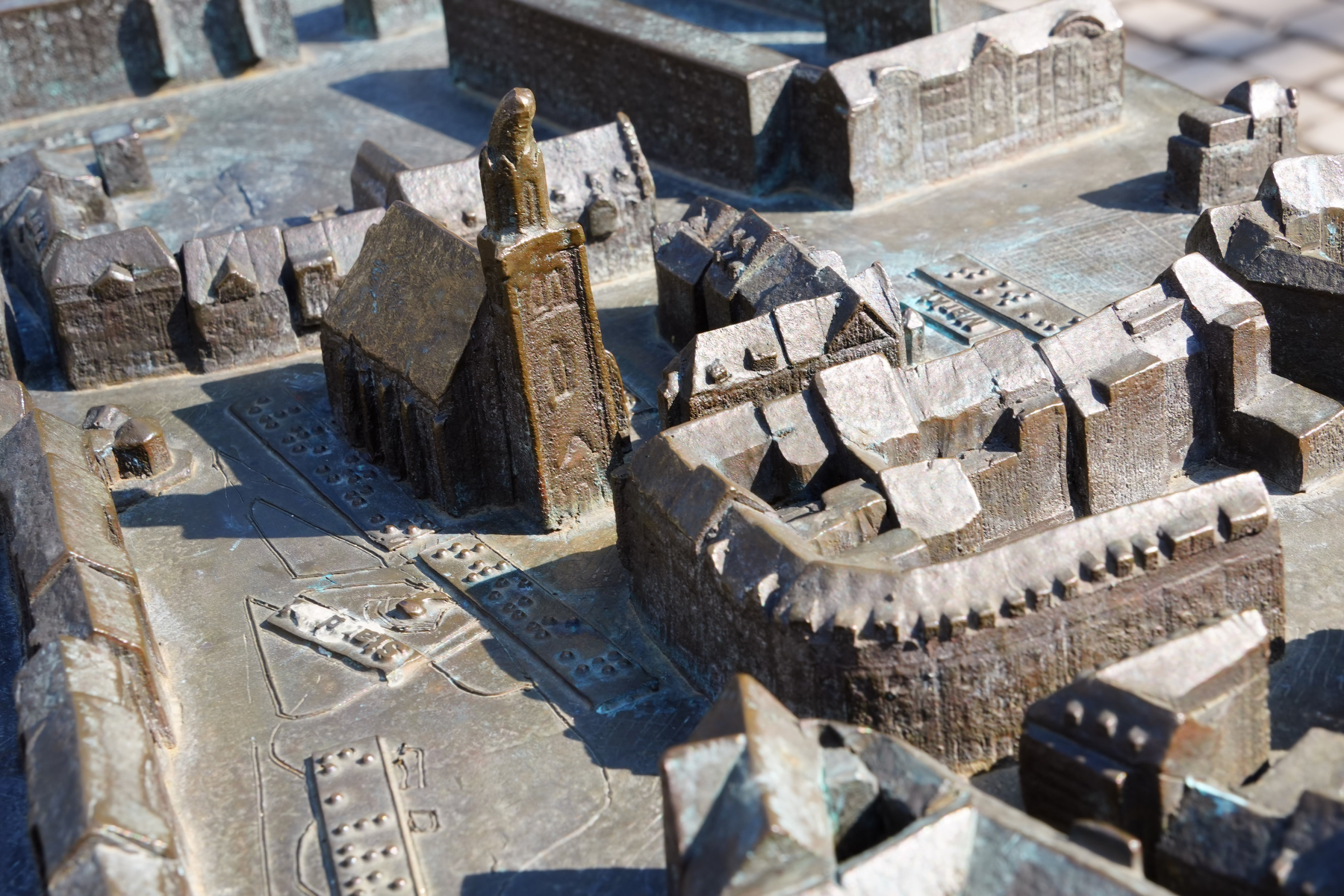
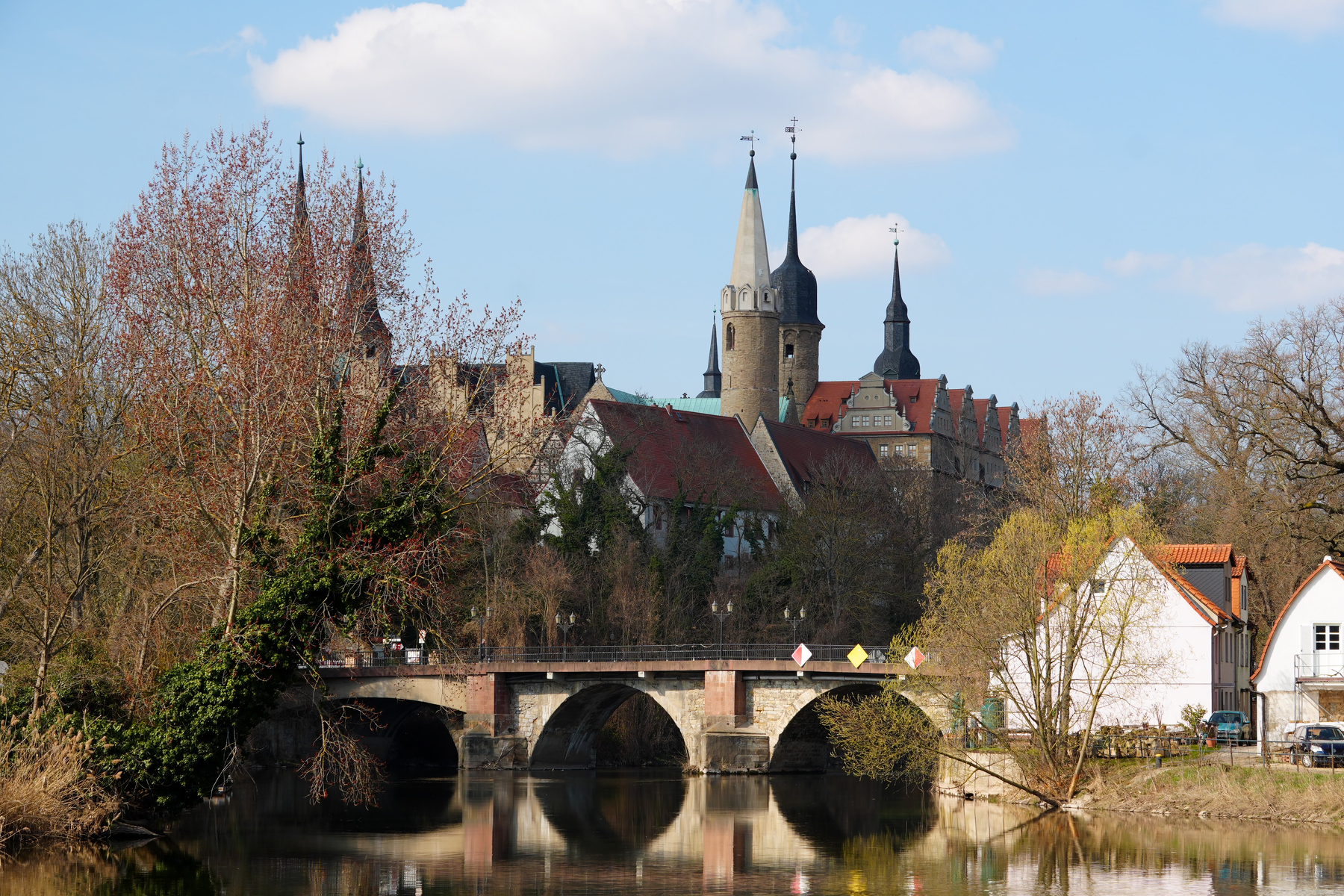
We found a tactile city map. So I’ll contrast a few buildings with map & reality (well, photo)

A historical tower and ruins stand prominently against a clear blue sky near a street with road signs and traffic lights.

St. Sixti
A detailed tactile map with raised elements depicts a city’s layout, including buildings and braille labels.
A cobblestone street lined with shops and a prominent church steeple in the background is bustling with people on a sunny day.

St Maximi

A detailed miniature model depicts a historic town with buildings, including a prominent church-like structure.

A picturesque scene features a historic bridge over a calm river, framed by trees and dominated by the spires of a quaint town in the background.

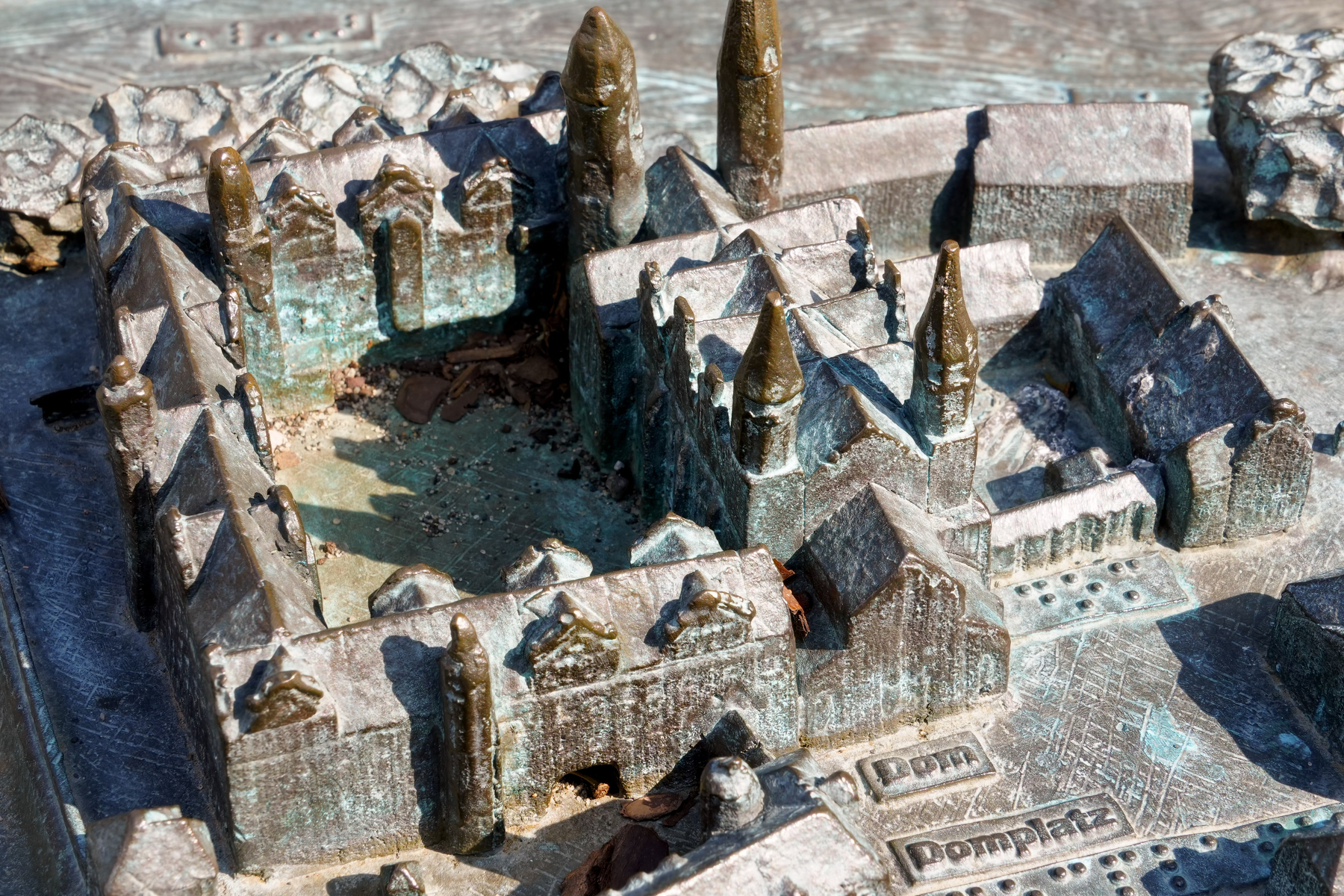
A bronze miniature model of a historical town features intricate buildings, towers, and a church layout with labeled sections like Dom and Domplatz.

Dom Merseburg

Day 2

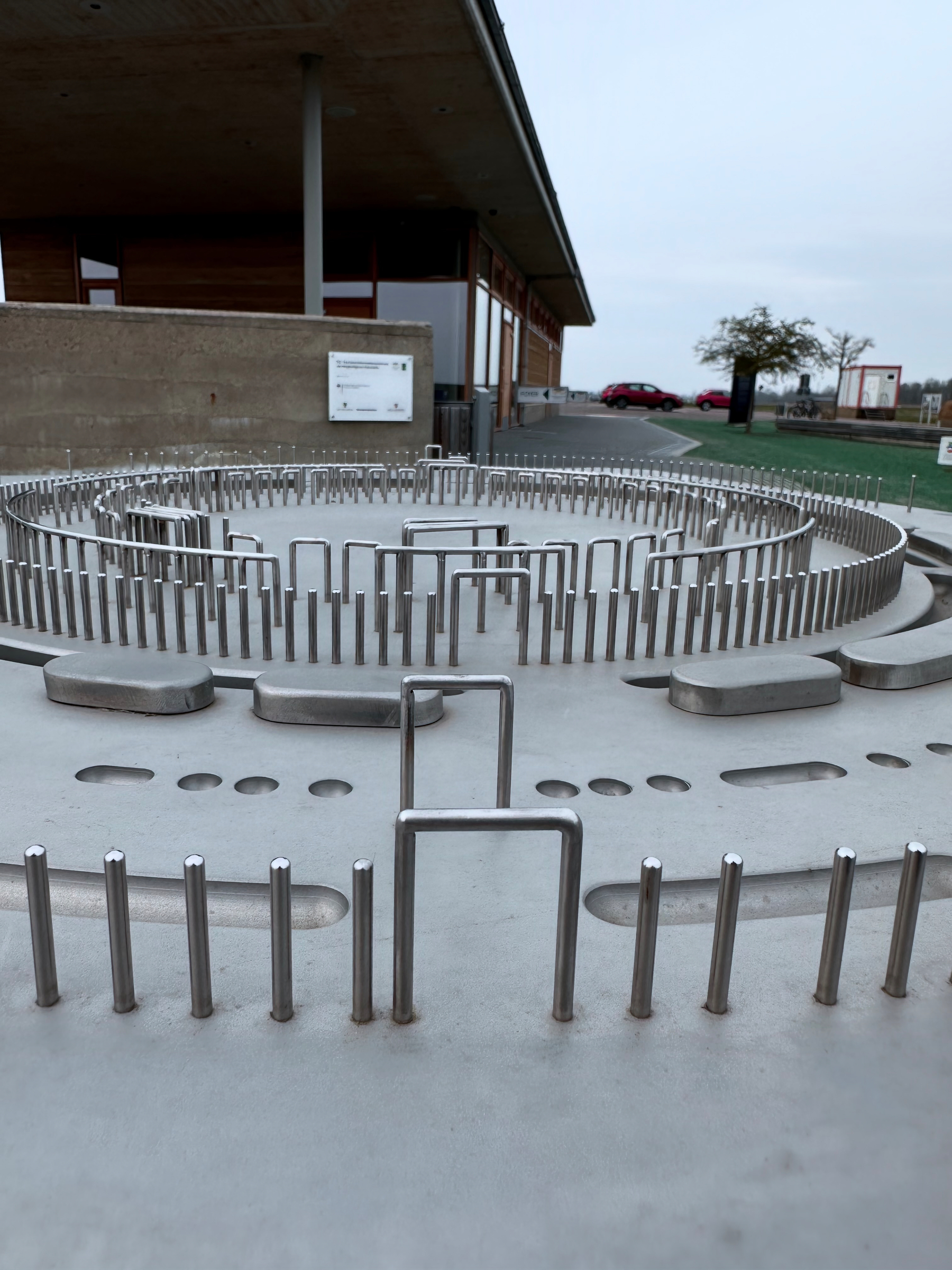
Kreisgrabenanlage Pömmelte

A ca 5000 year old wood circle, close to the confluence of Saale and Elbe.

A tactile model of the Kreisgrabenanlage Pömmelte made from metal stands in front of a modern building.

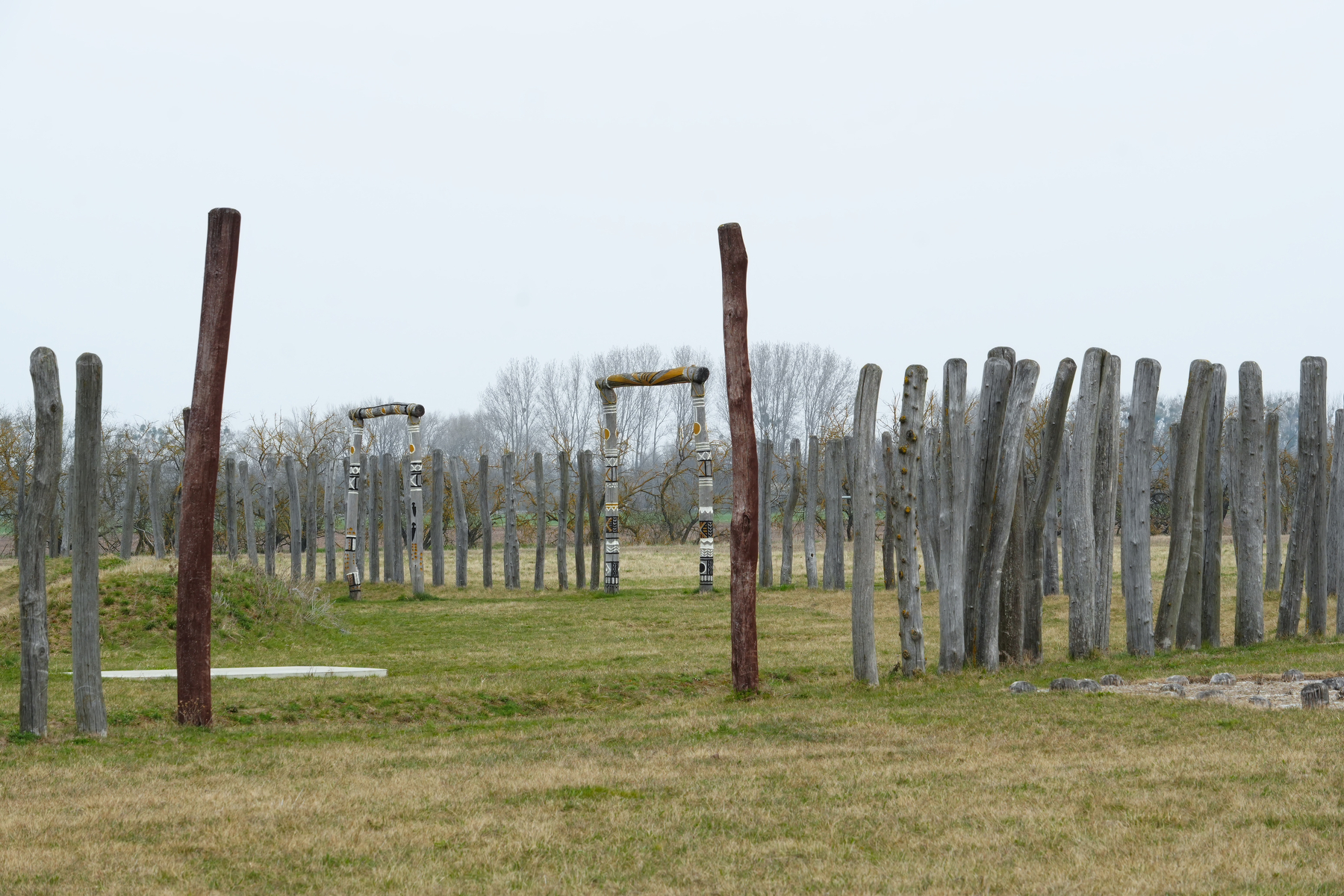
A field features tall, weathered wooden posts arranged in a seemingly random pattern under an overcast sky.

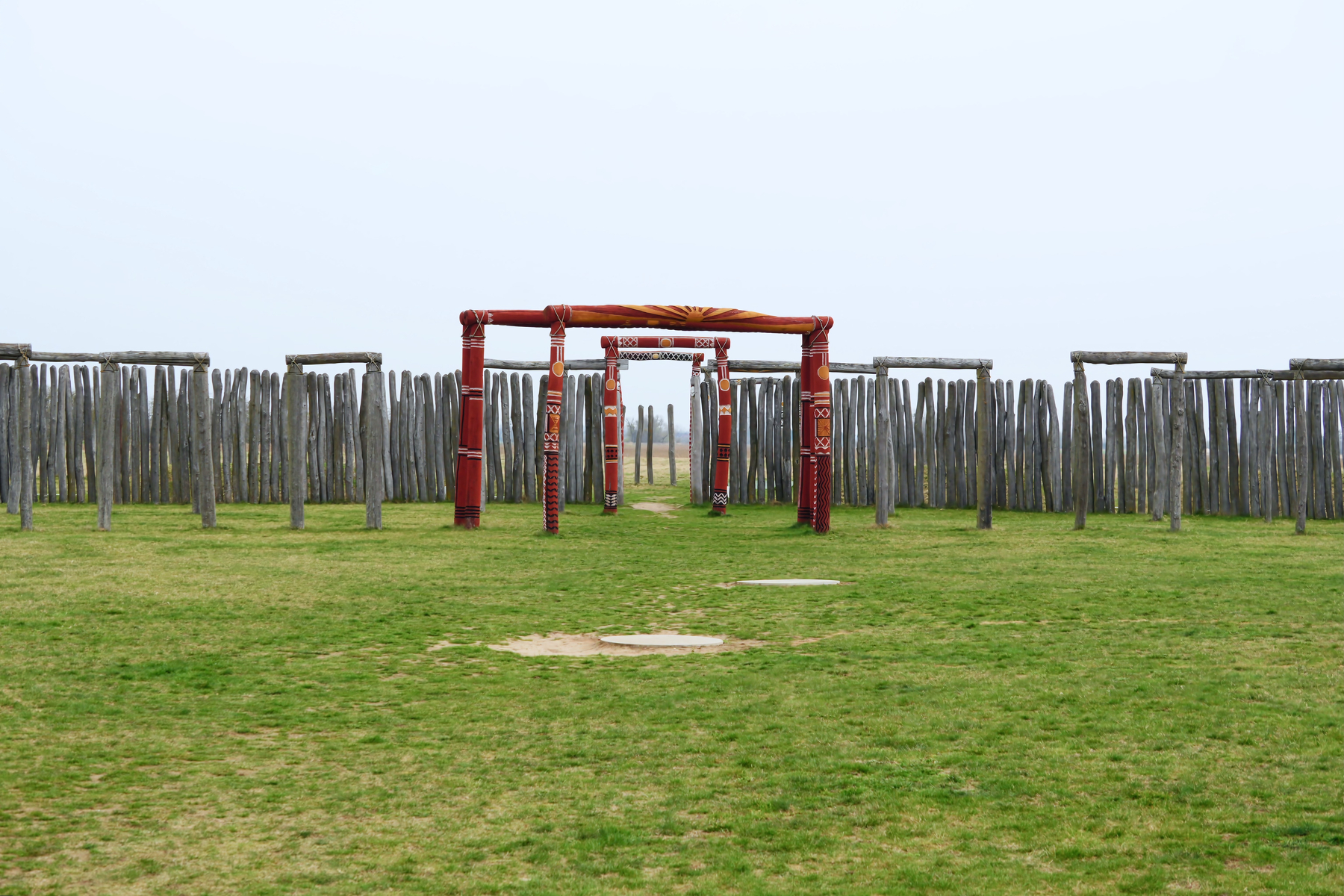
A grassy field contains a circular arrangement of tall wooden posts, with a central red gate adorned with patterns.

Kreisgrabenanlage Pömmelte

Bad Dürrenberg

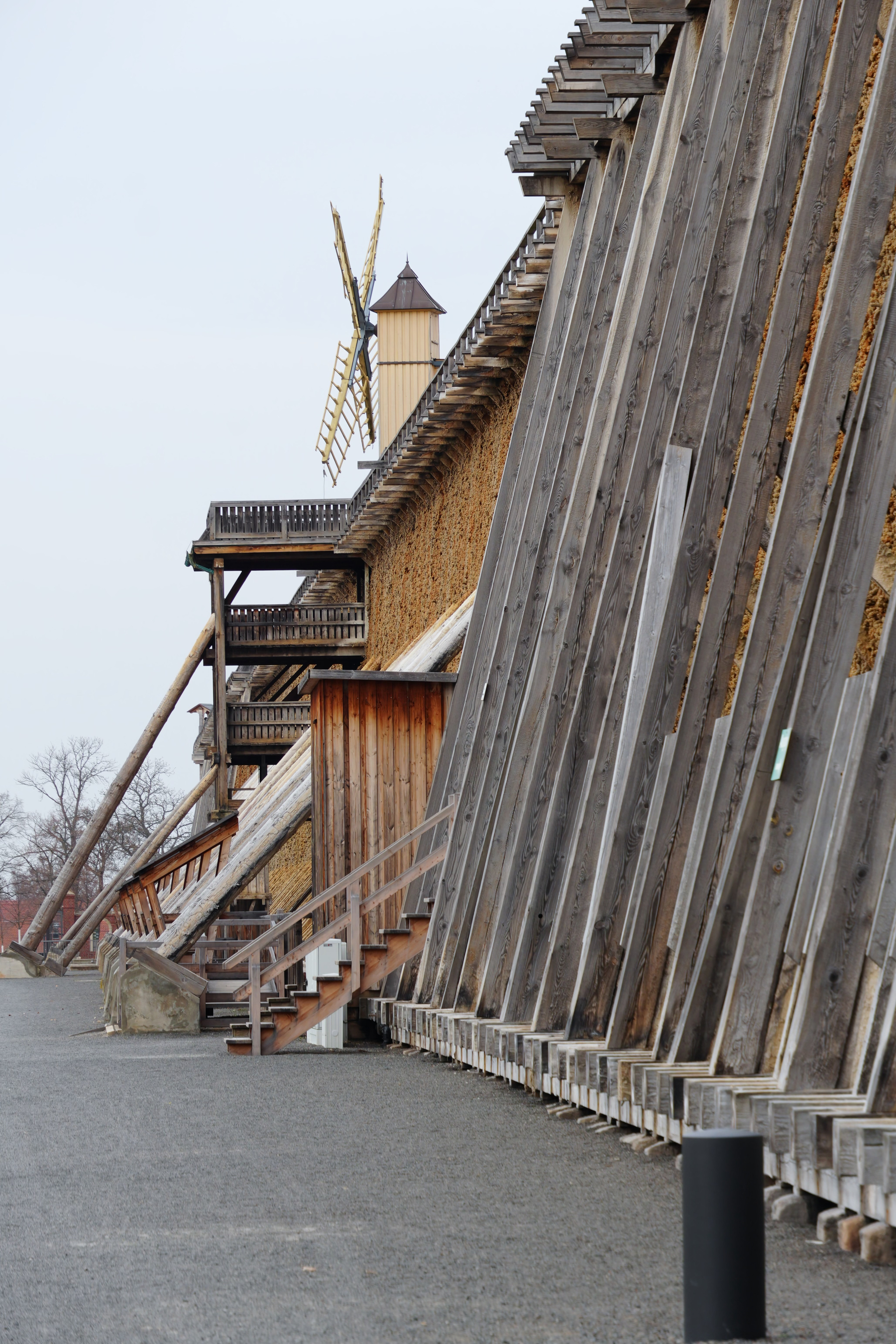
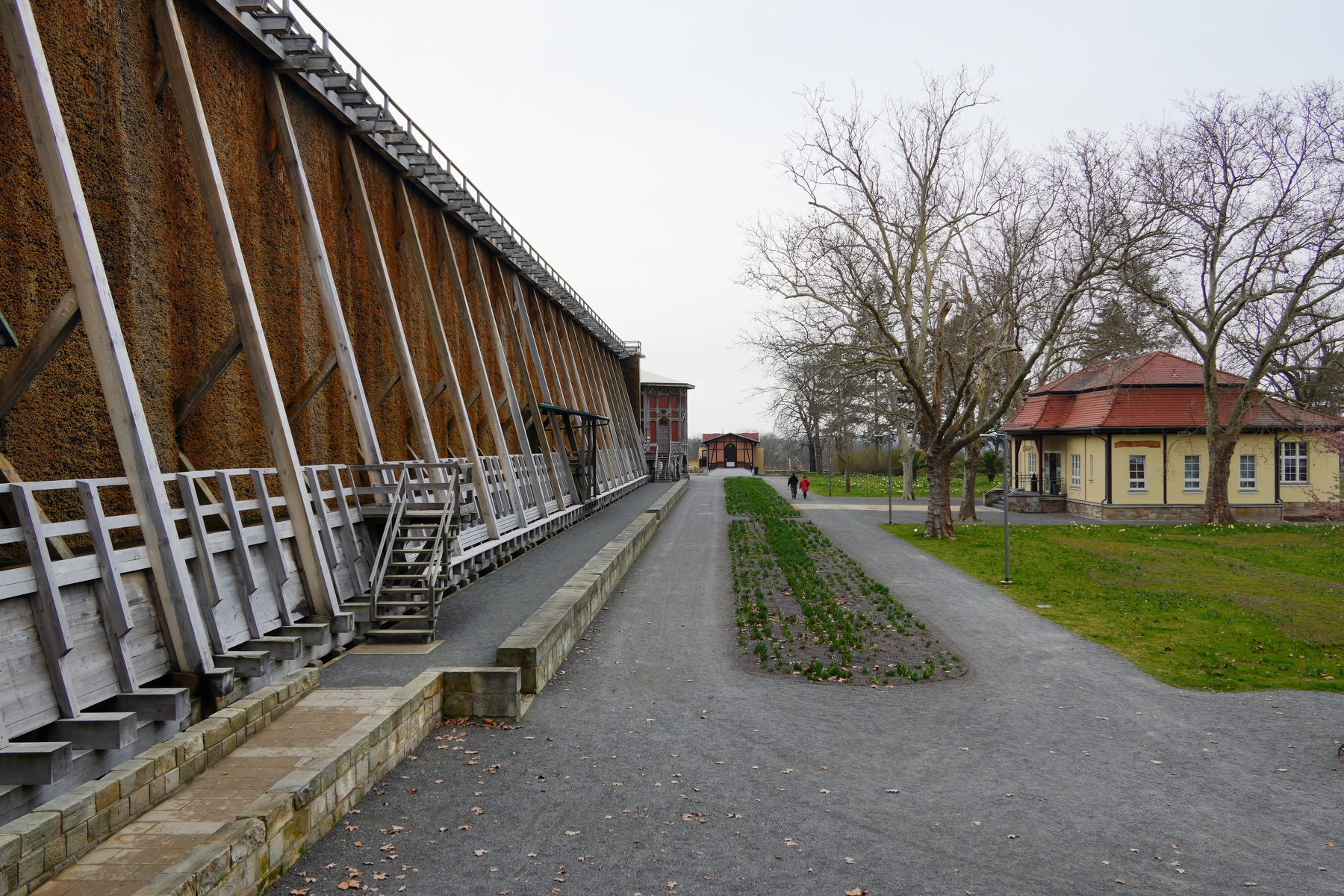
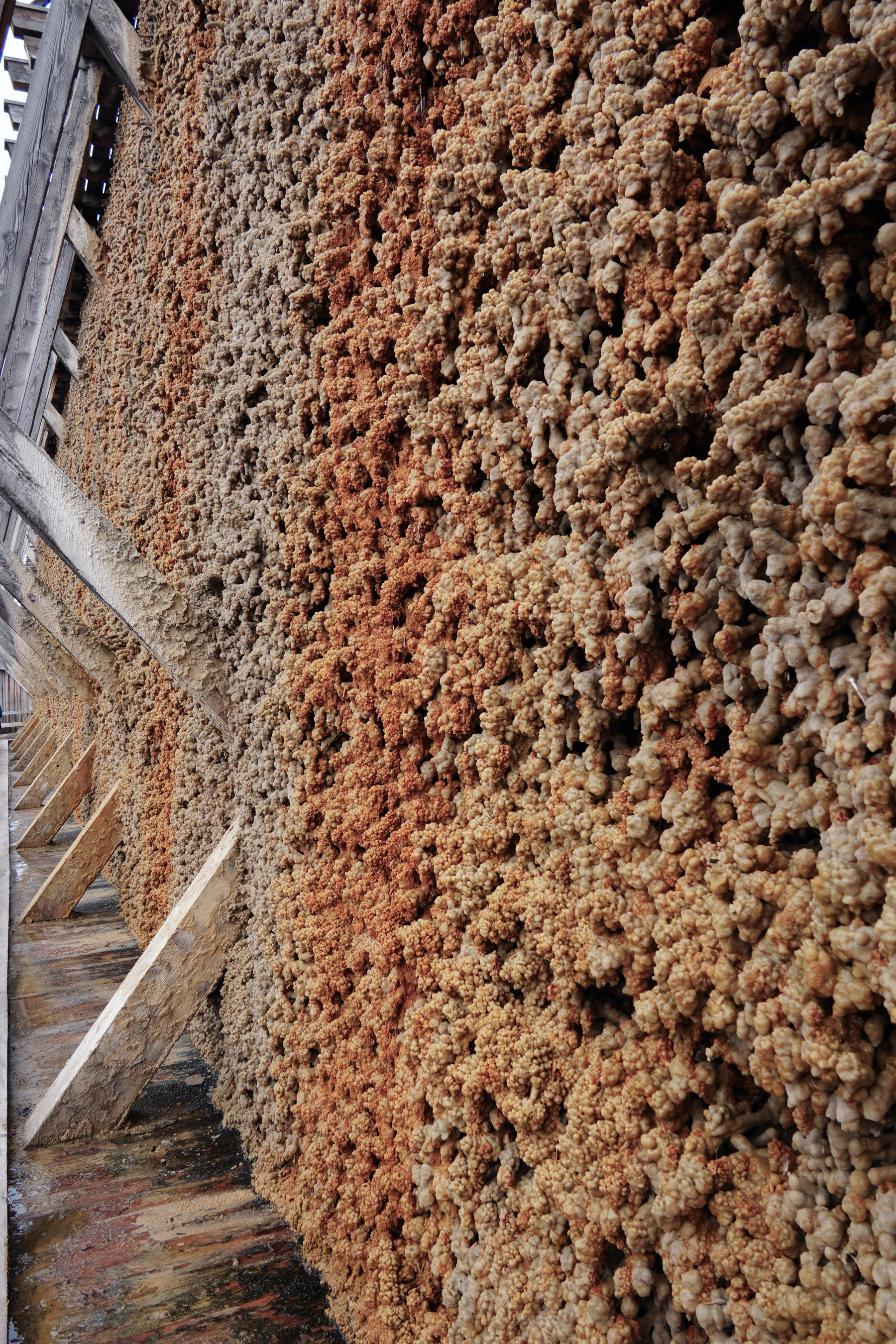
The longest historic salt works in Europe

Rows of large wooden structures support walls of dried plants, resembling elements of traditional straw processing, with a windmill in the background.

A large wooden structure with a sloped roof is situated next to a pathway and a grassy area with trees and smaller buildings.

A wall of salt crystals is shown on a wooden structure, likely part of a salt production site or spa facility.

In the middle of the spas park in 1932 the grave of a neolithic shaman and her child was found. Now in the Museum in Halle.

Gradierwerk Bad Dürrenberg

Bestattung von Bad Dürrenberg

www.landesmuseum-vorgeschichte.de/dauerauss…

Day 3

Arche Nebra

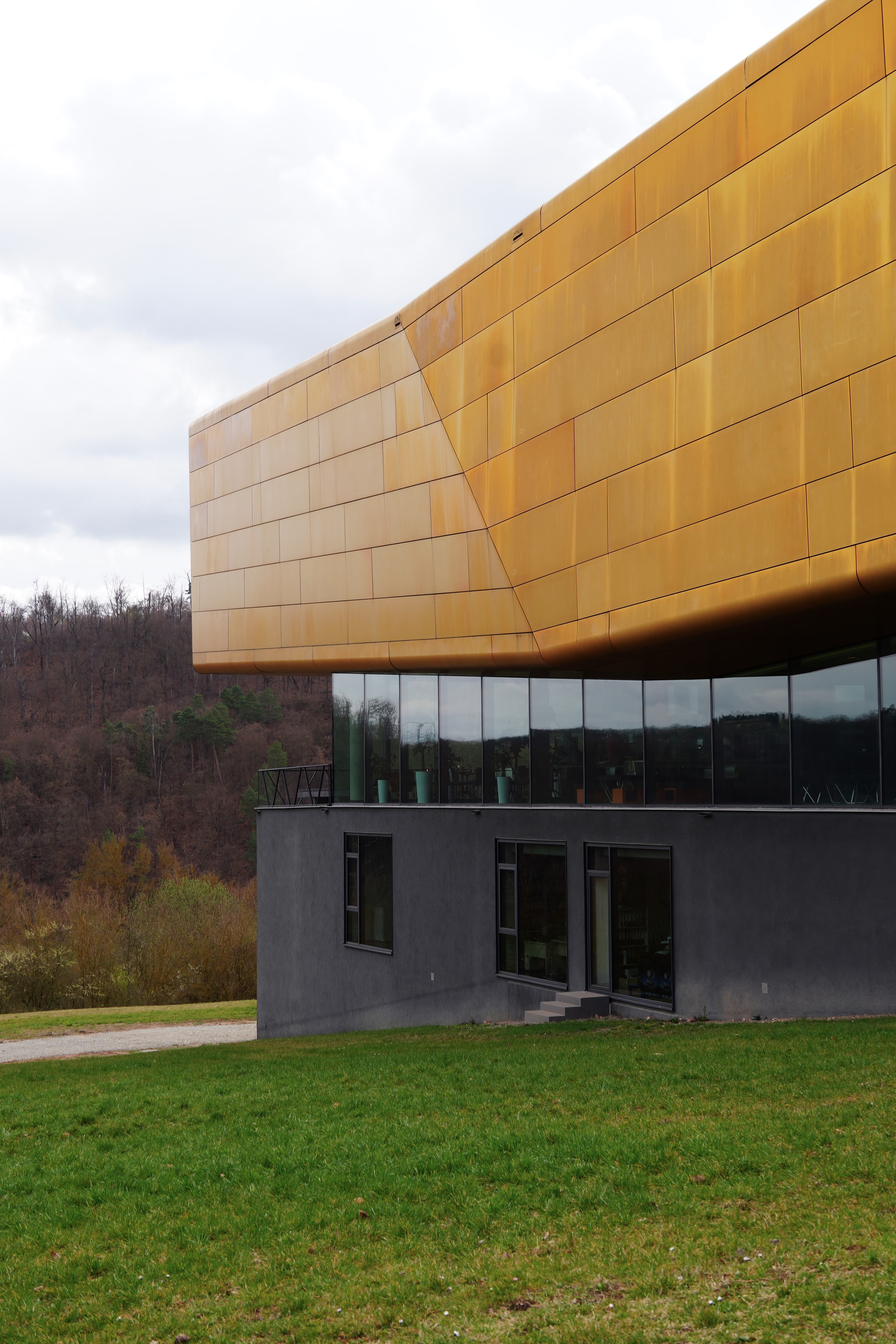
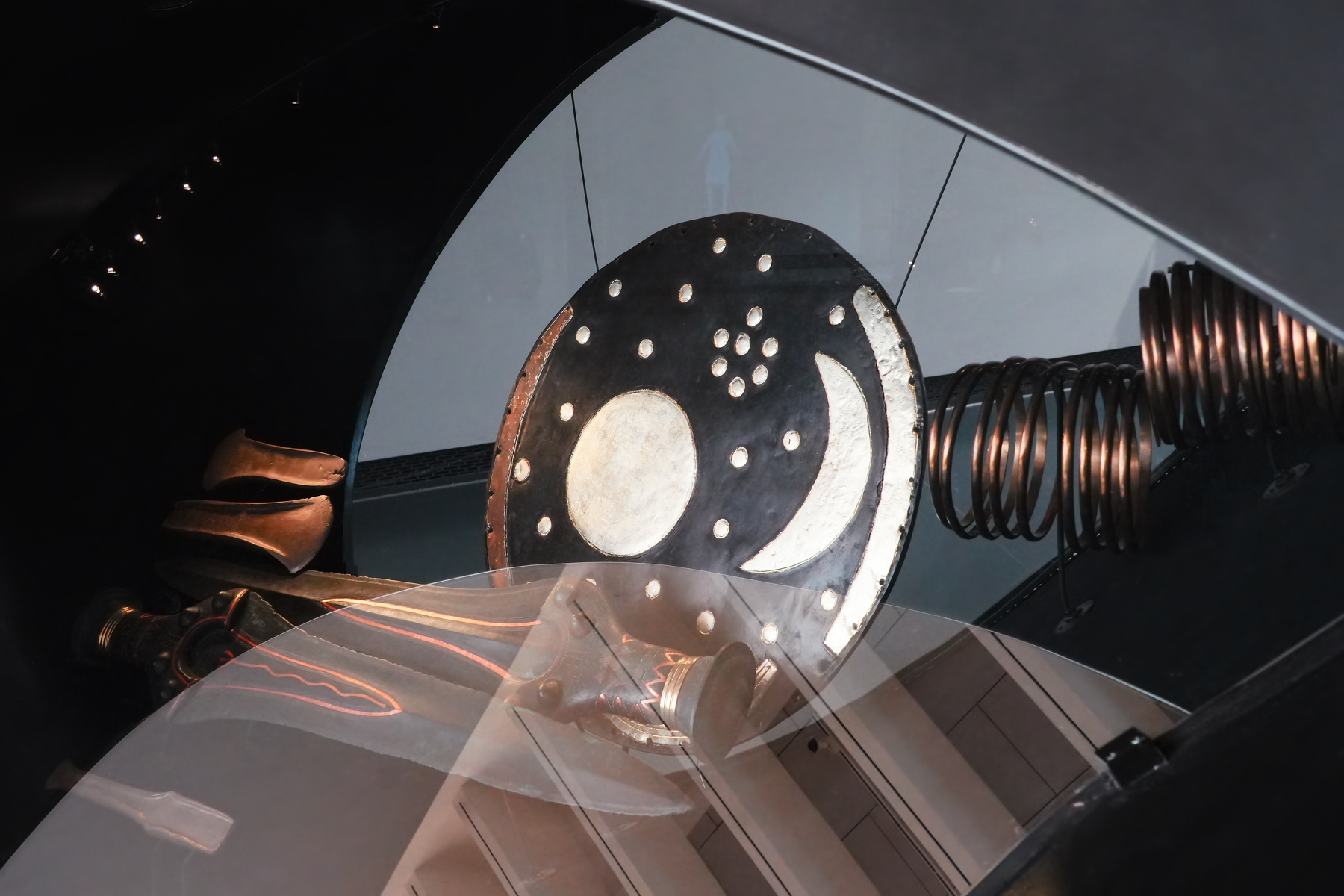
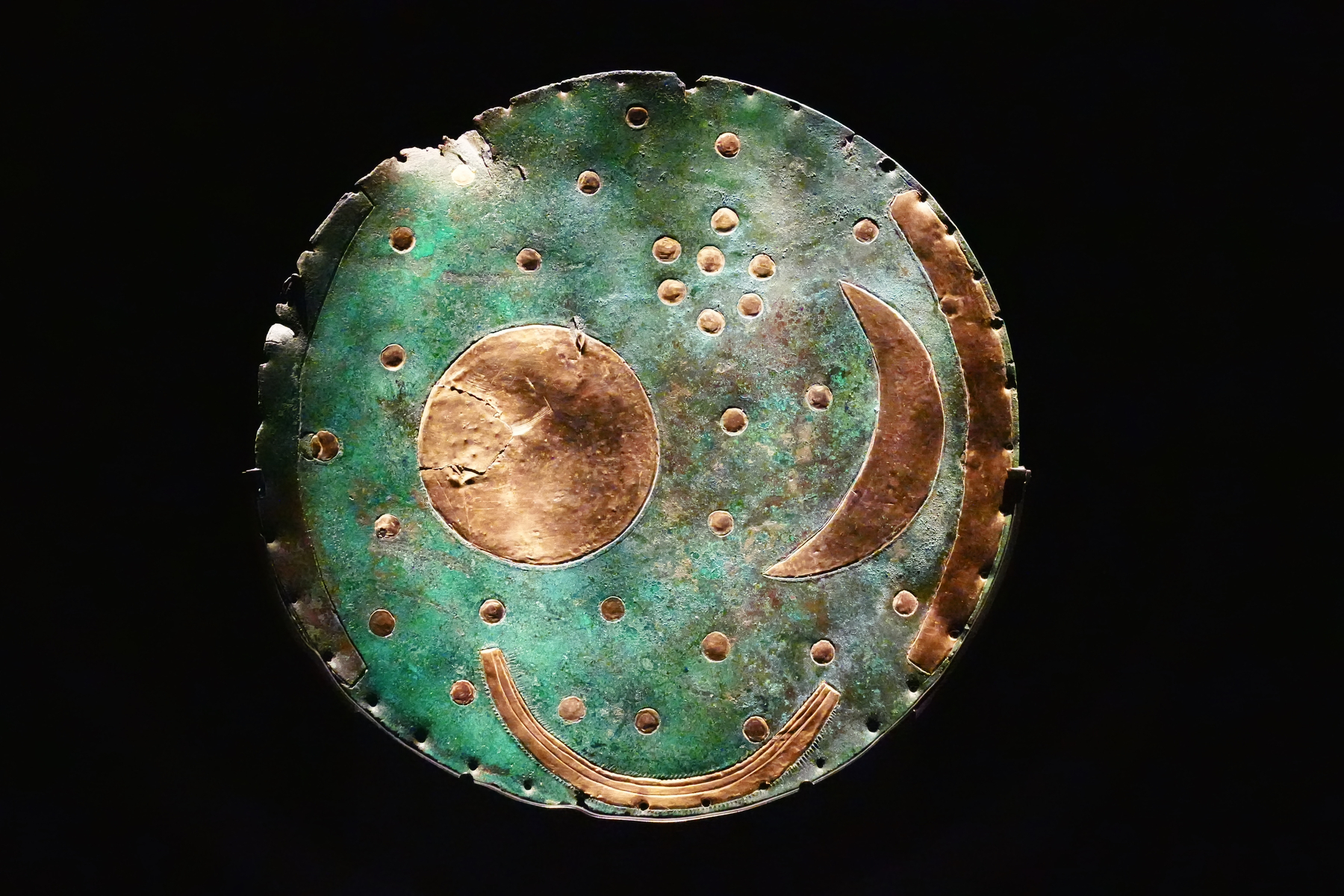
A museum, basically in the middle of nowhere, sits near the spot where the Nebra Sky Disk was found. In a film presentation, the symbolism on the disc is explained, including the importance for people in the Neolithicum. The disk shows how from observation you can figure out, using the position of the Pleiades and the moon, when spring starts and when autumn starts.

A modern building with a distinctive golden upper structure and large glass windows sits in a grassy area near a wooded landscape.

A display featuring the Nebra Sky Disc, an ancient artifact with celestial motifs, is surrounded by dark framing elements and reflective surfaces.

www.himmelswege.de/orte/arch…

Sonnenobservatorium Goseck

A 7,000-year-old sun observatory.

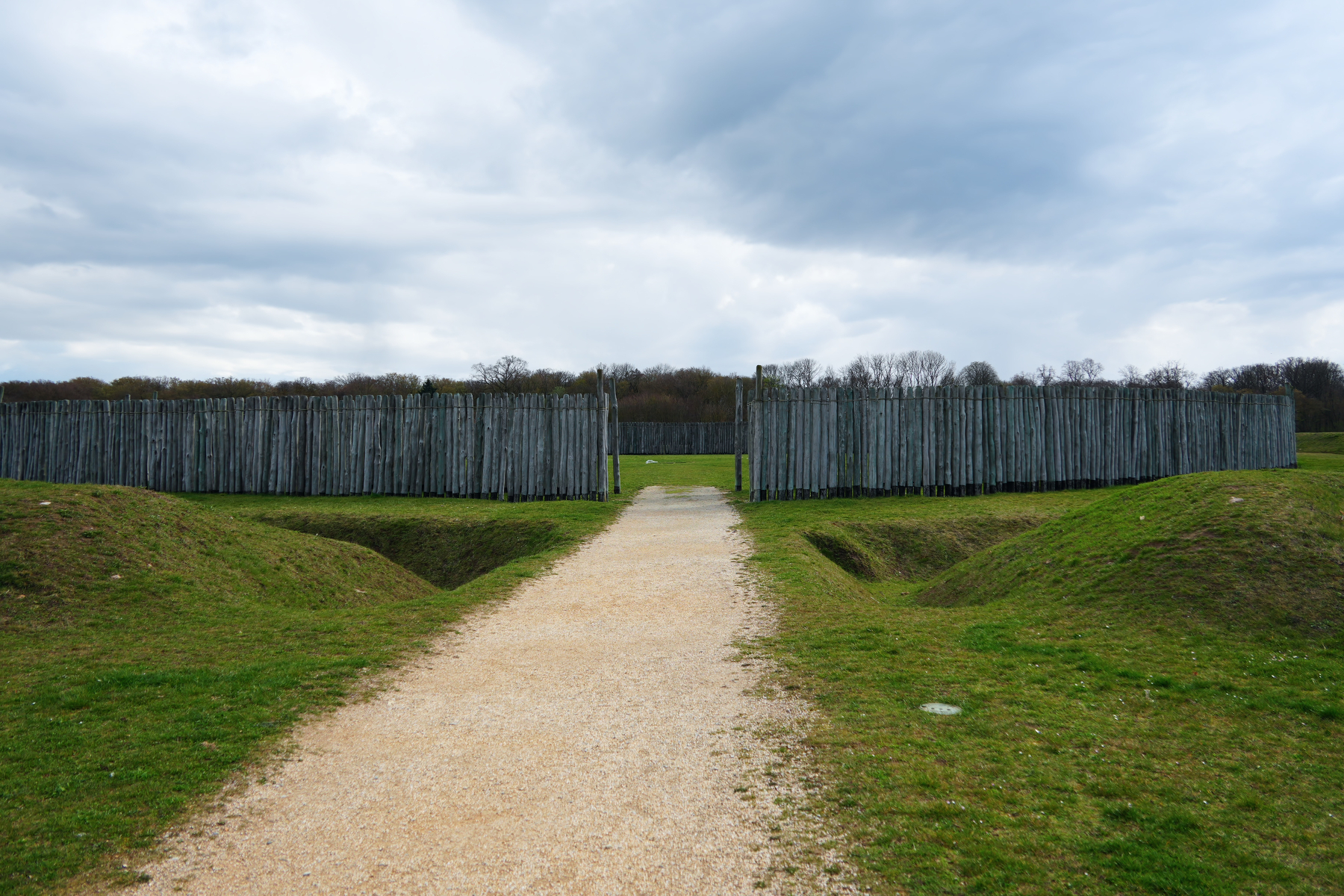
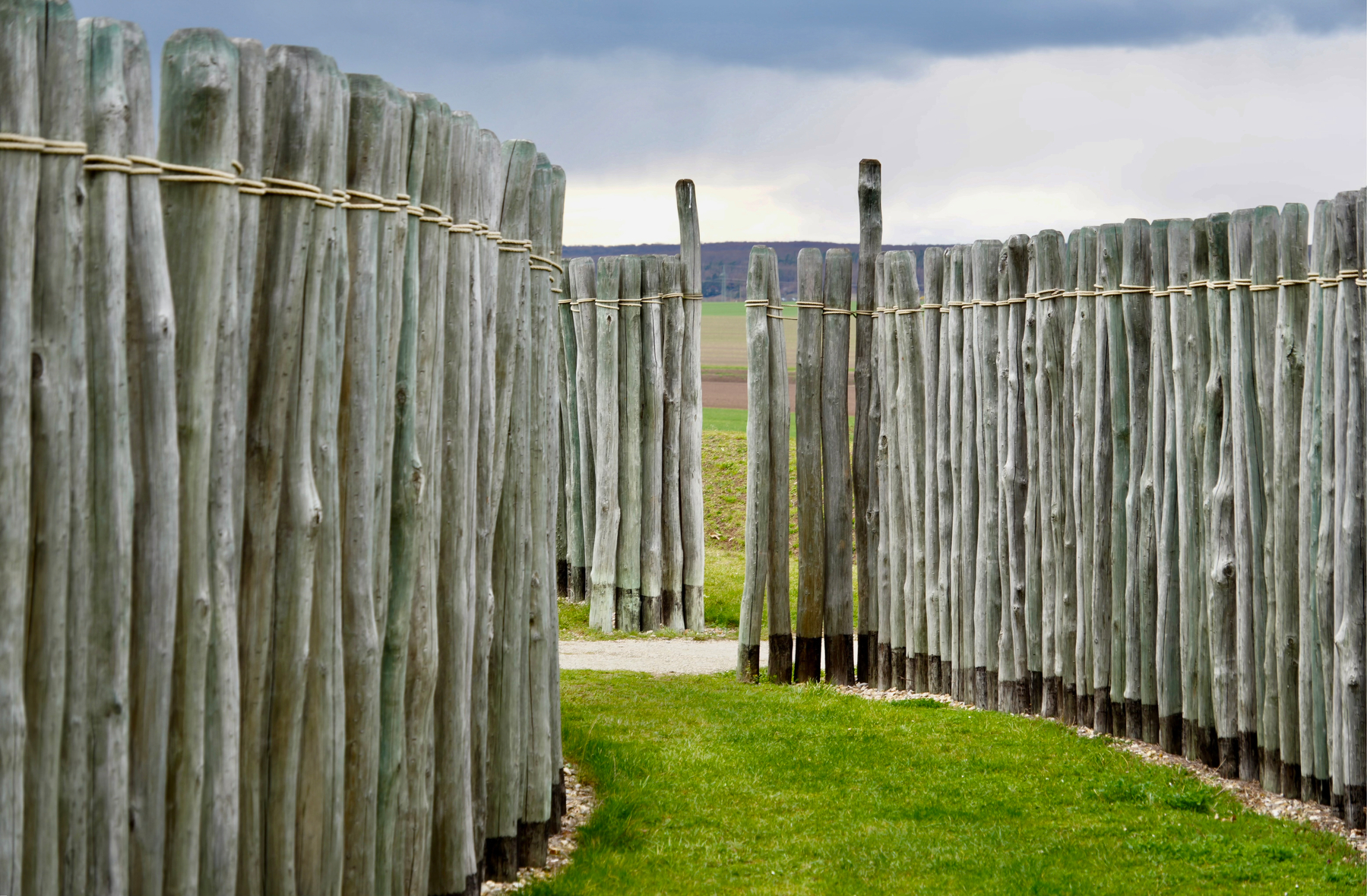
It looks much simpler than the Ringheiligtum Pömmelte we visited earlier this week. But, it is the oldest sun observatory yet found anywhere.

The observatory sits below the top of a hill. The view takes in a large valley, stretching from the earliest sunrise in the year to the latest sundown of the year. Today, this is all mostly fields. Back then, you would have looked just above the treetops.

A gravel path leads to a wooden palisade surrounded by greenery under a cloudy sky.

Tall wooden posts are arranged in parallel rows, forming a pathway on grassy terrain under a cloudy sky.

sonnenobservatorium-goseck.info

Day 4 - Landesmuseum für Vorgeschichte (Halle/Saale)

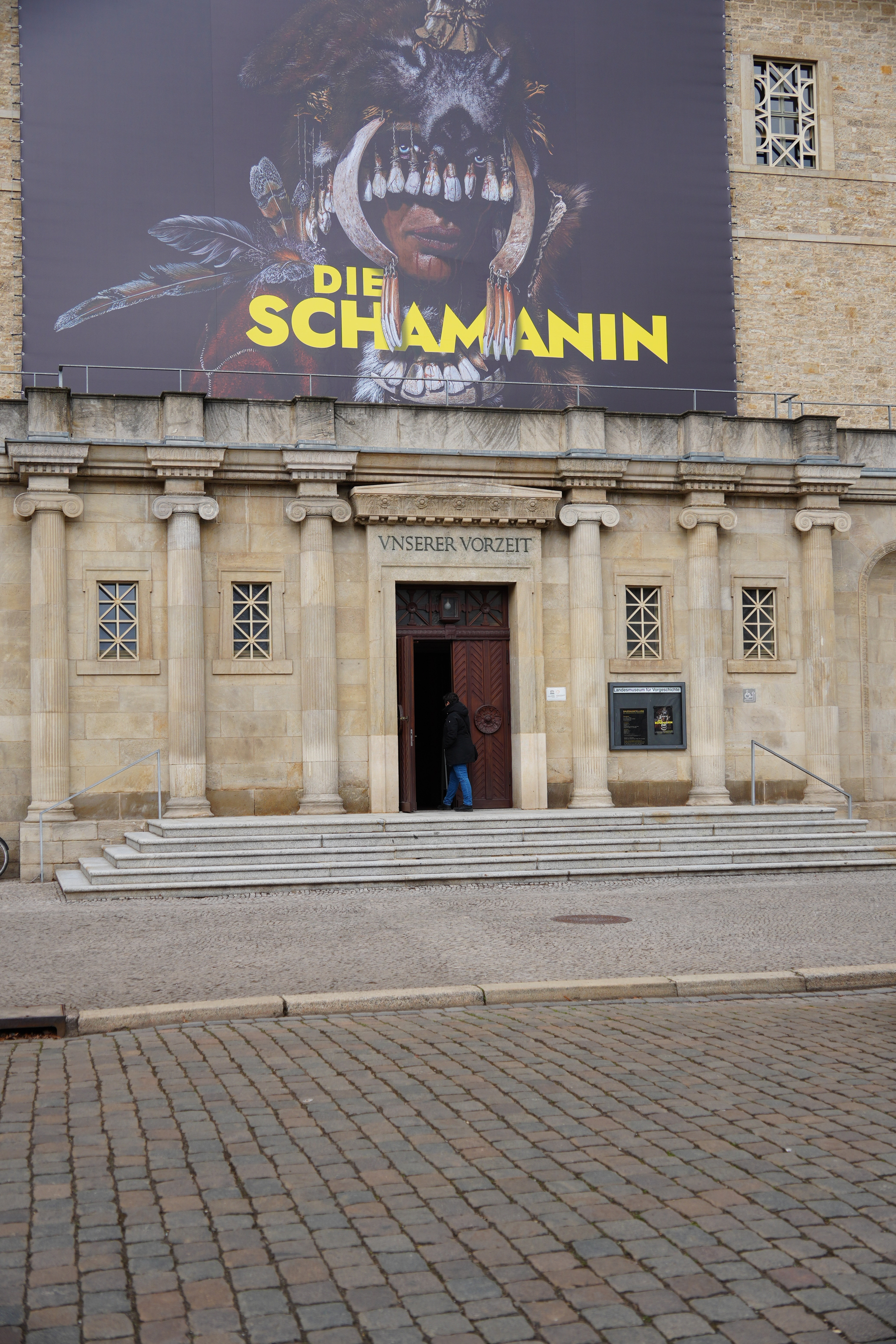
A very nice (smallish) museum, but very well made.

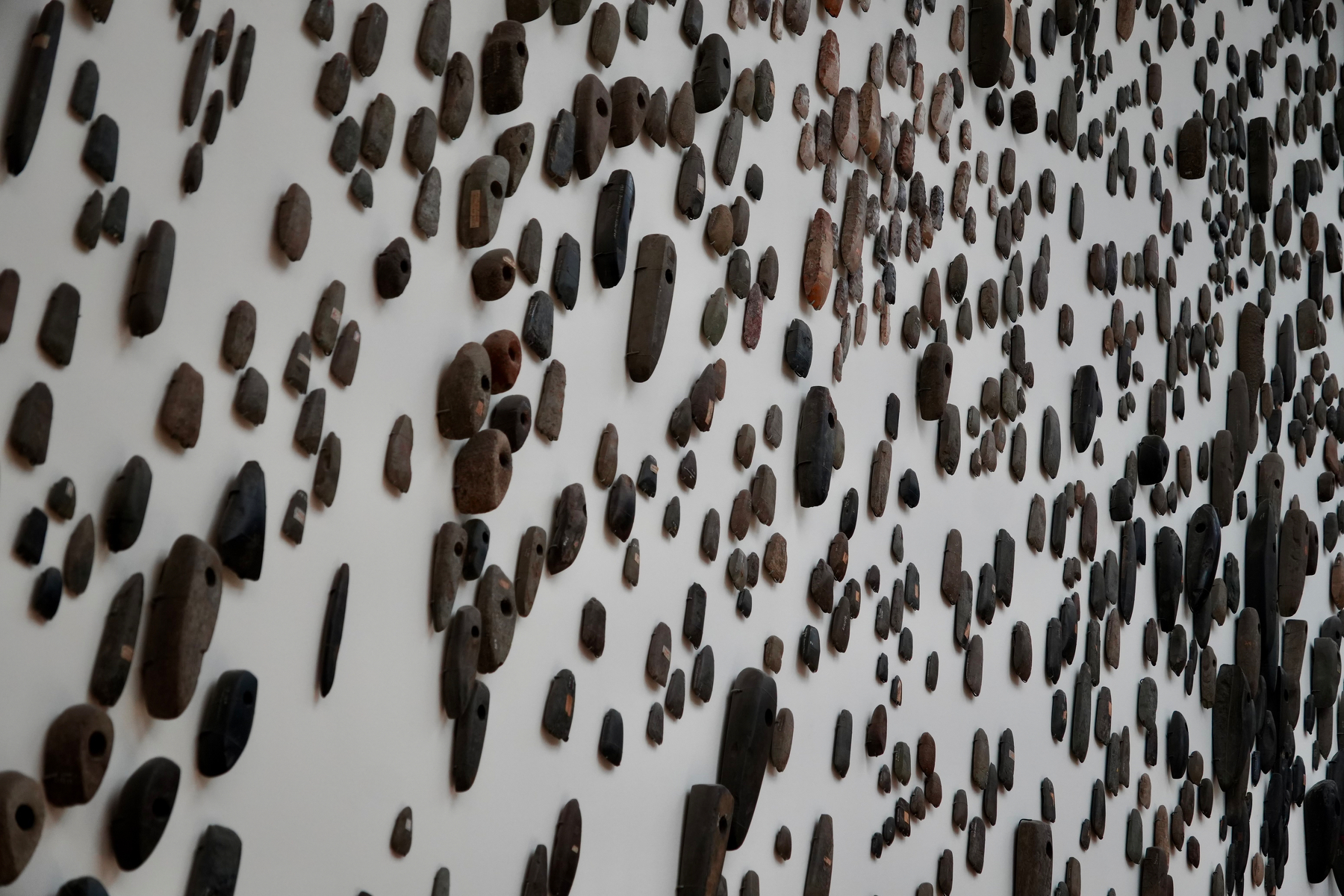
You start on the top floor with finds from about 400.000 years old from various cousins, including Erectus and Neanderthal and ending with Sapiens and the bronze age. Loads of finds. Rough stone tools, knapped stone tools, polished stone tools. The odd animal skeleton. The presentation is very good and the visitor leaves with a good and present impression of what life was like.

A large banner featuring the text DIE SCHAMANIN hangs above the entrance of a stone building with columns.

Numerous small, dark stone tools are arranged and mounted on a white wall in an artistic pattern.

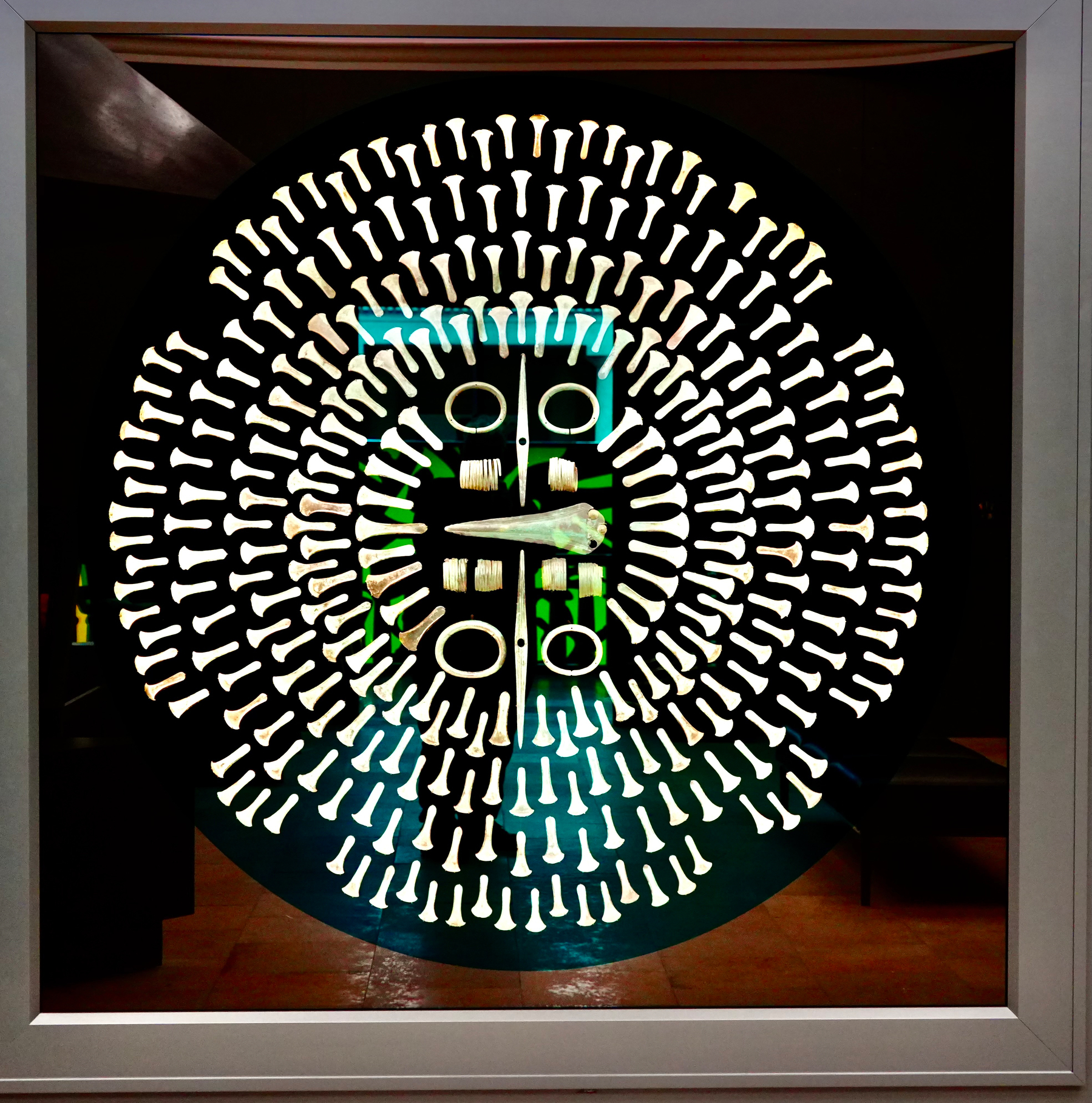
A circular artwork composed of numerous white bone-like shapes forms a symmetrical and intricate pattern against a dark background.

Himmelsscheibe front

A bronze disc features a depiction of celestial bodies including the sun, moon, and stars, thought to represent an ancient star map.

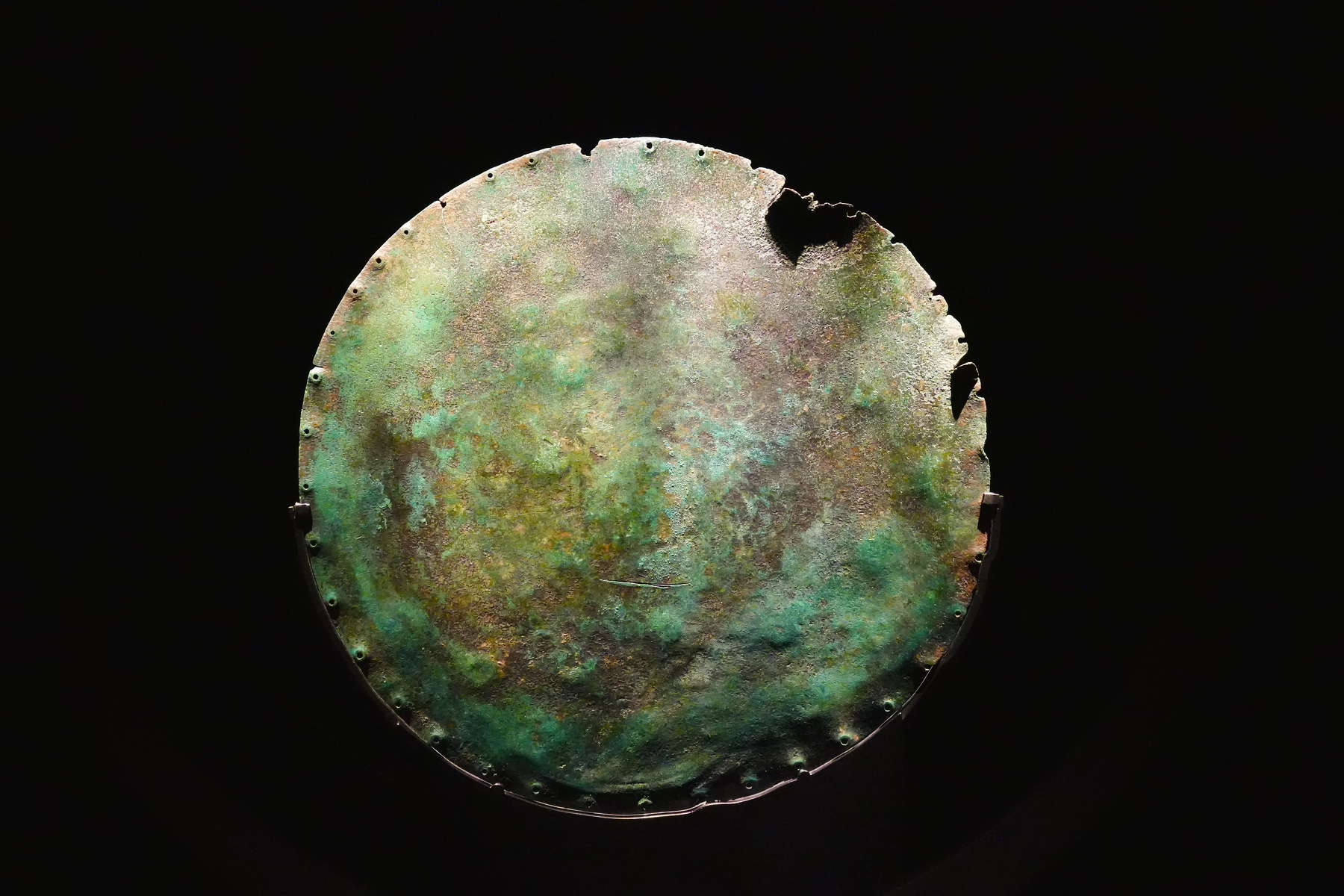
Himmelsscheibe back

A circular, weathered, and greenish artifact with a textured surface and uneven edges is displayed against a dark background.

www.landesmuseum-vorgeschichte.de/en/

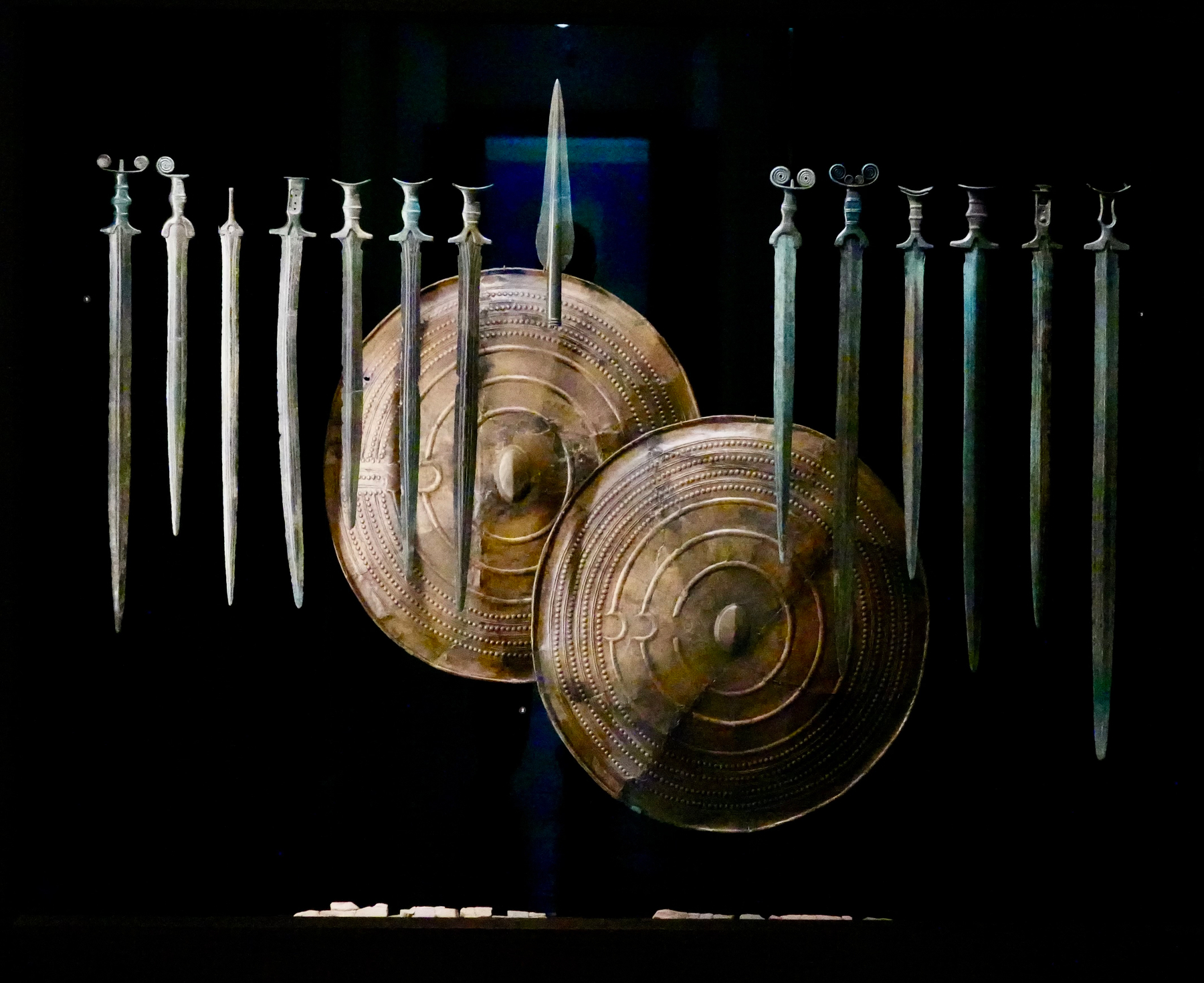
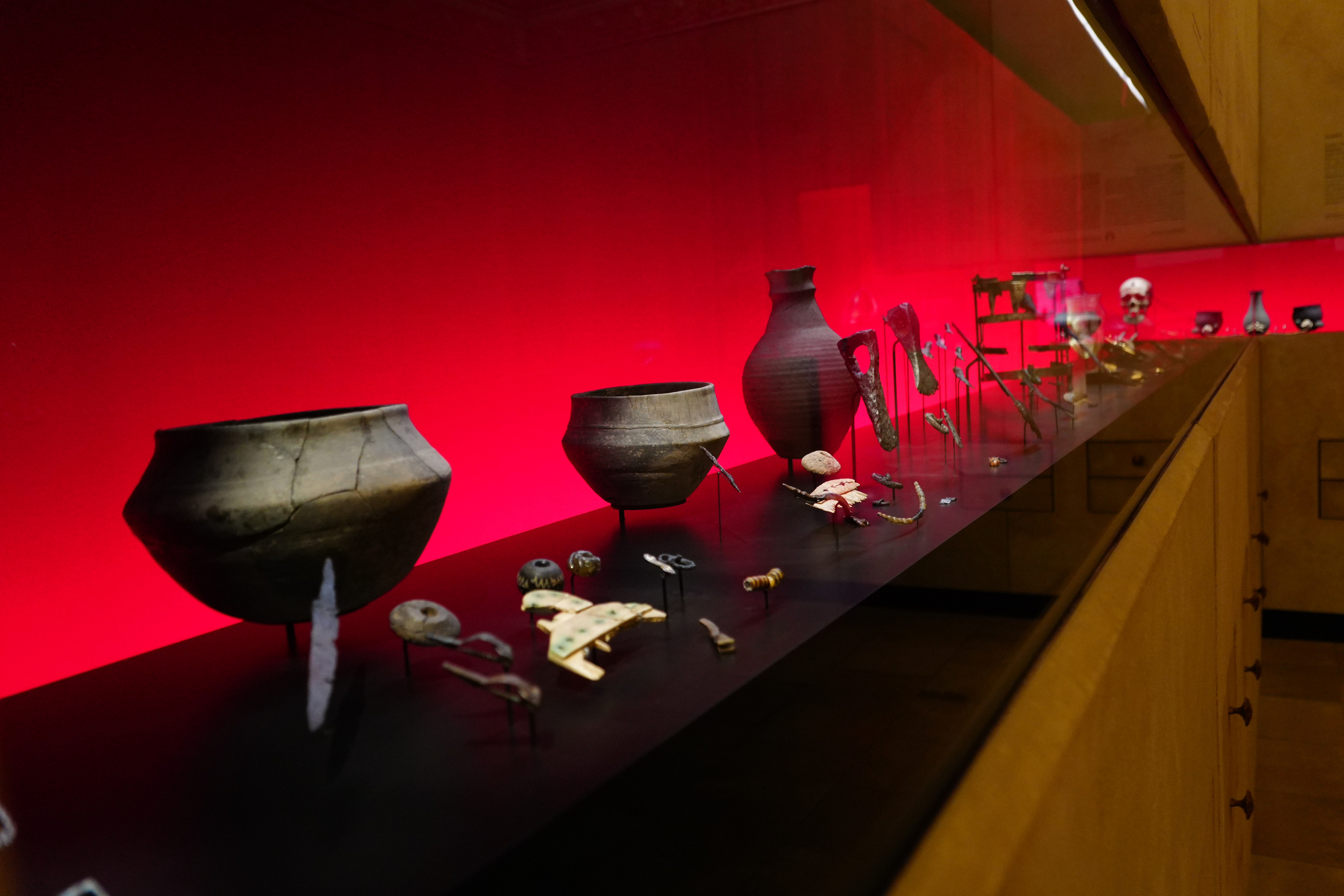
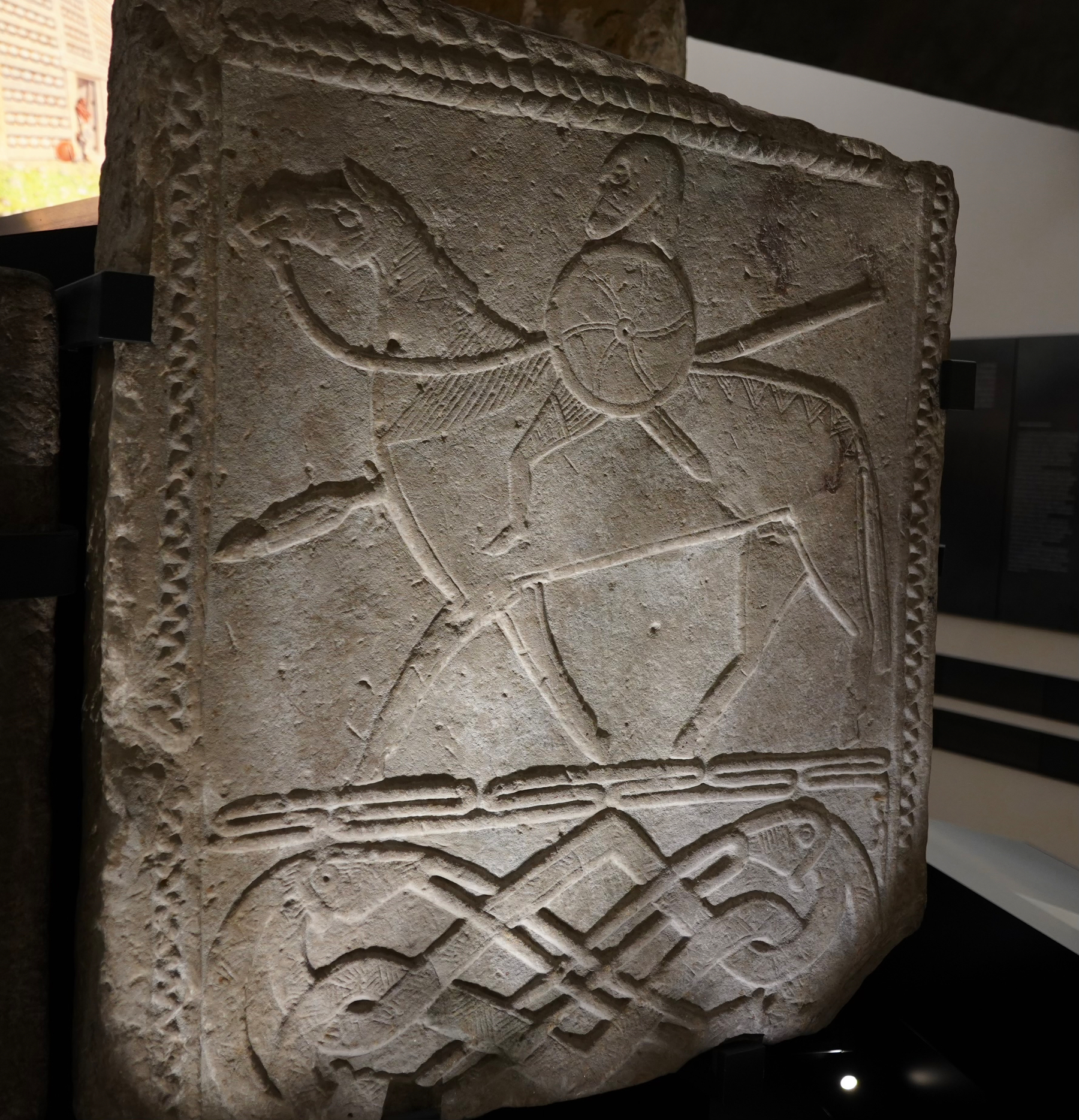
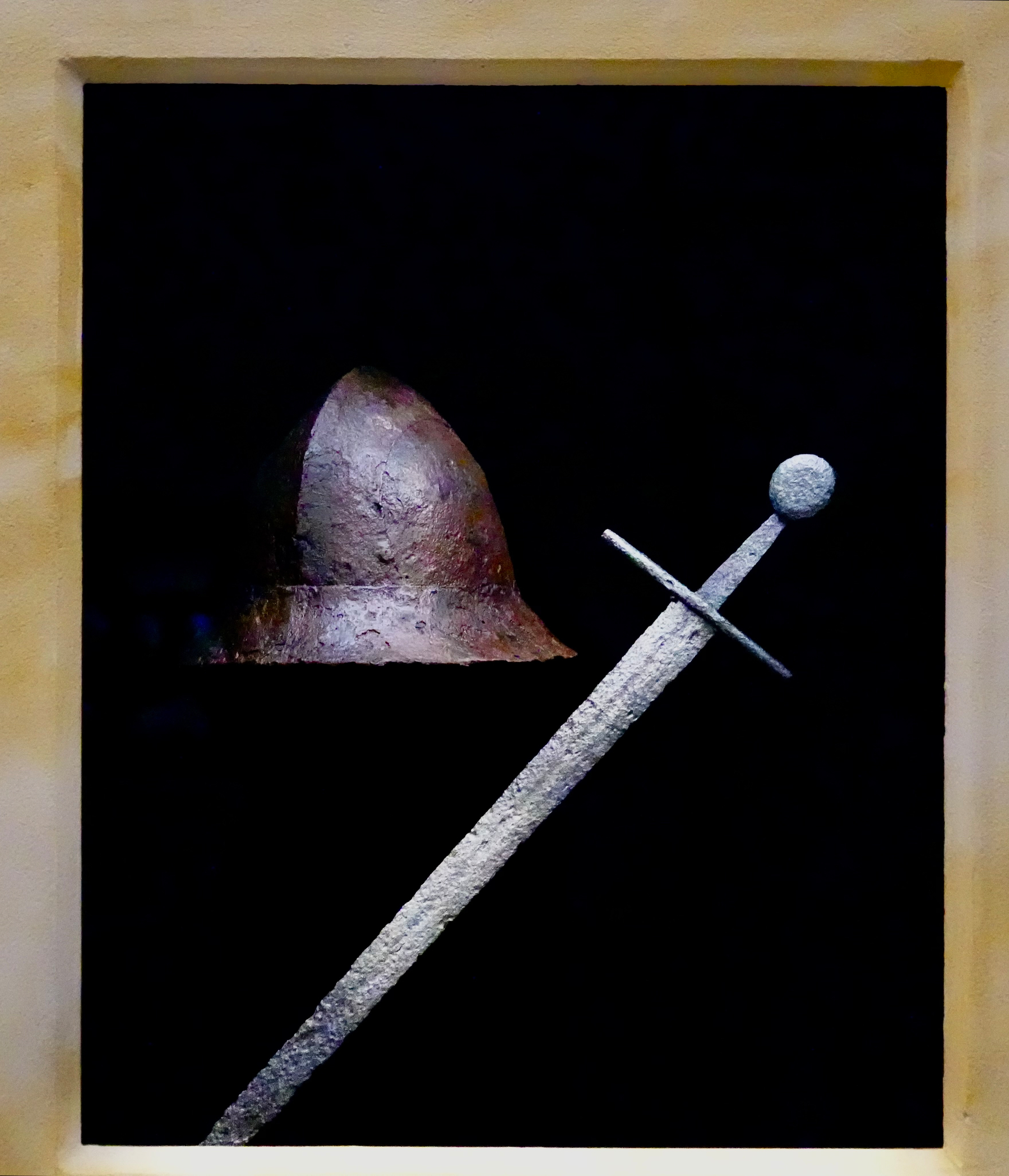
The first floor takes us from the beginning of the Iron Age to the Reformation.

Quite a short time compared to the floor above.

But because of the sheer number of objects and contexts this floor feels more condensed and “sped up”.

In short: There was trade with Rome, some served in the Roman Army, the Thuringians had their short lived kingdom, the Franks came, Christianity, Reformation, puh.

A collection of ancient swords and two ornate shields are displayed in a dark setting.

A display of ancient pottery and artifacts is showcased against a vibrant red backdrop.

A stone carving depicts a warrior on horseback with a shield, featuring intricate patterns below.

A medieval helmet and sword are displayed against a black background.

Day 5

Dolmengöttin Langeneichstädt

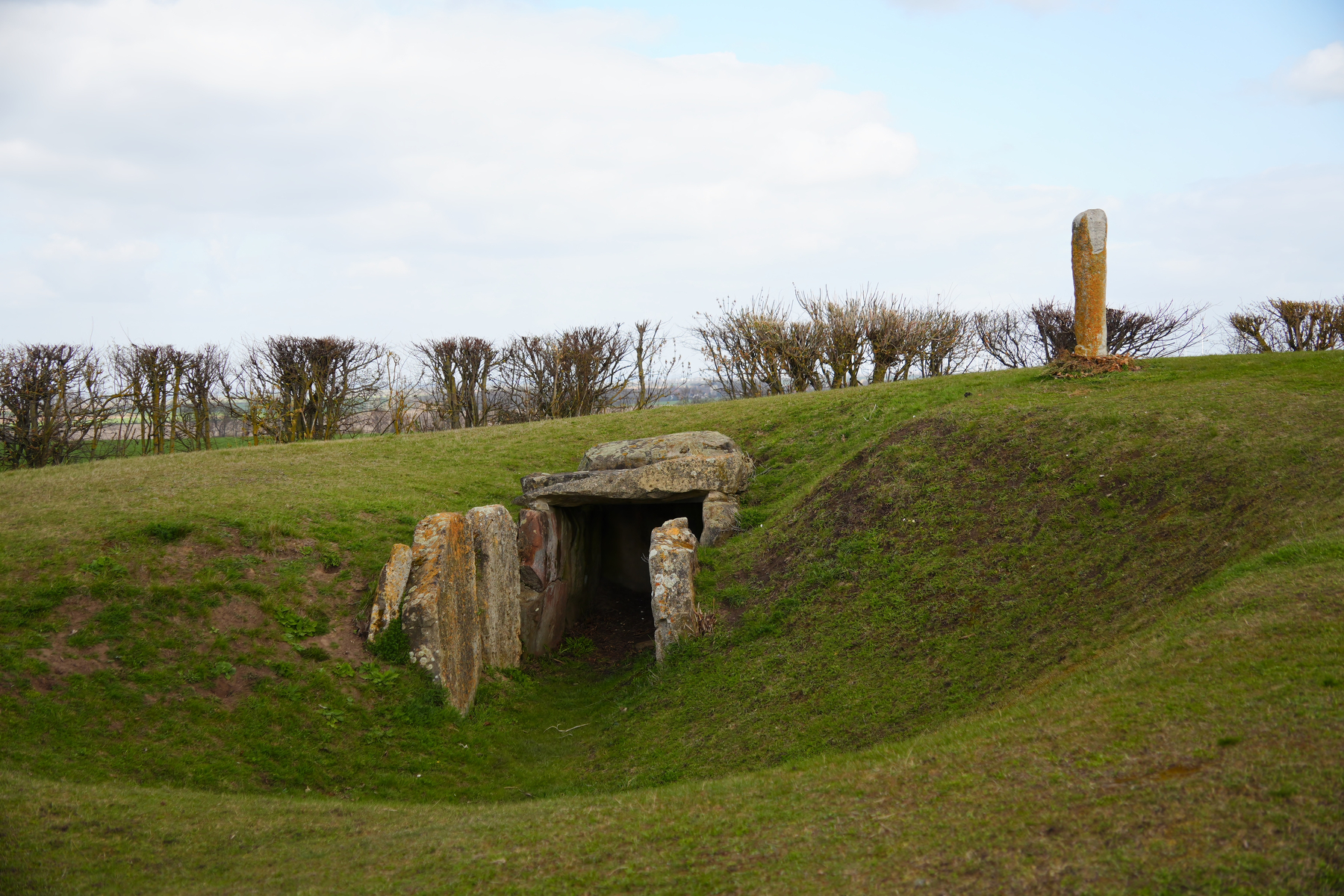
A grassy mound with a stone entrance leads to an ancient burial chamber, accompanied by a standing stone nearby.

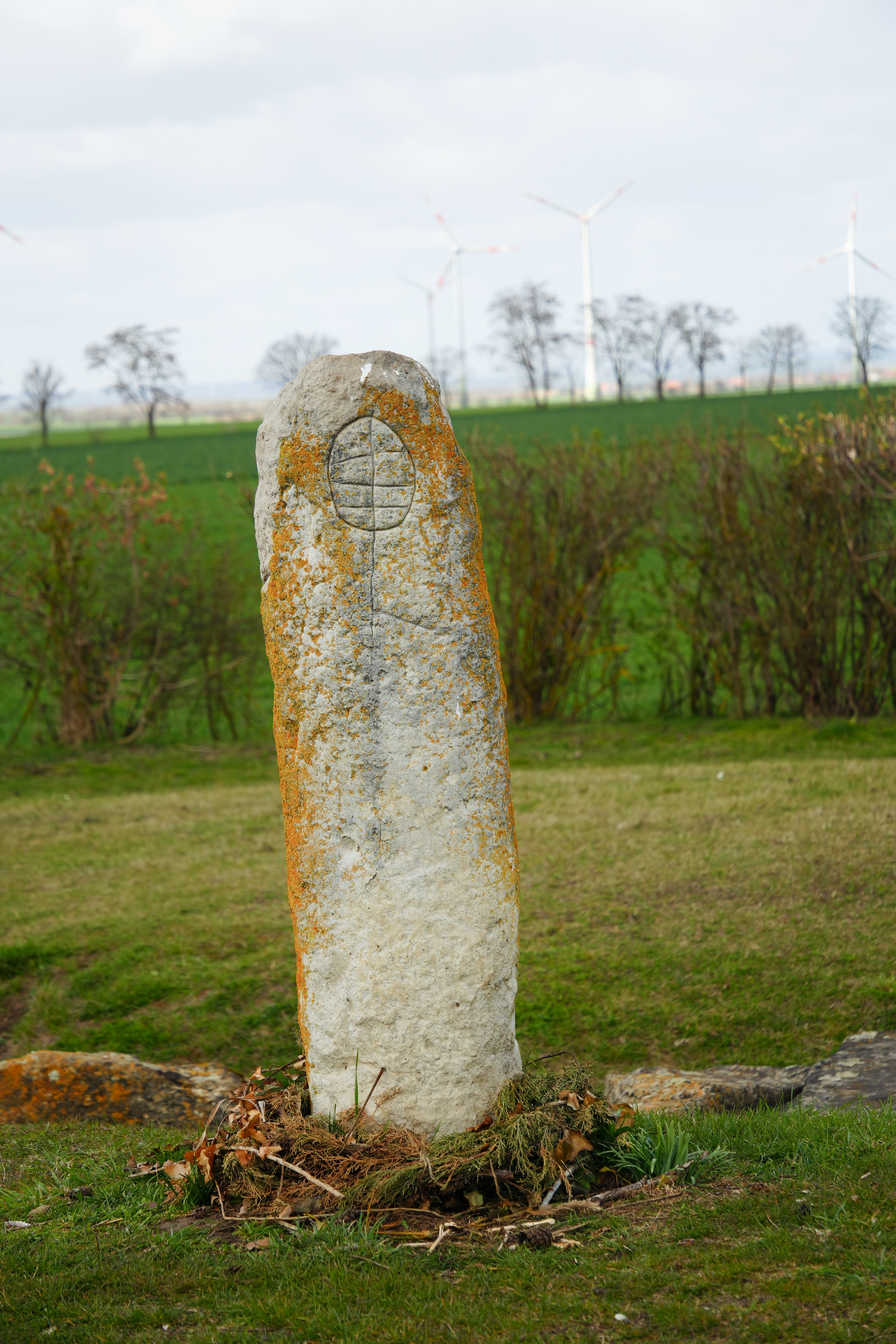
A tall, weathered stone stands upright in a grassy field, adorned with a carved circular design, with wind turbines visible in the background.

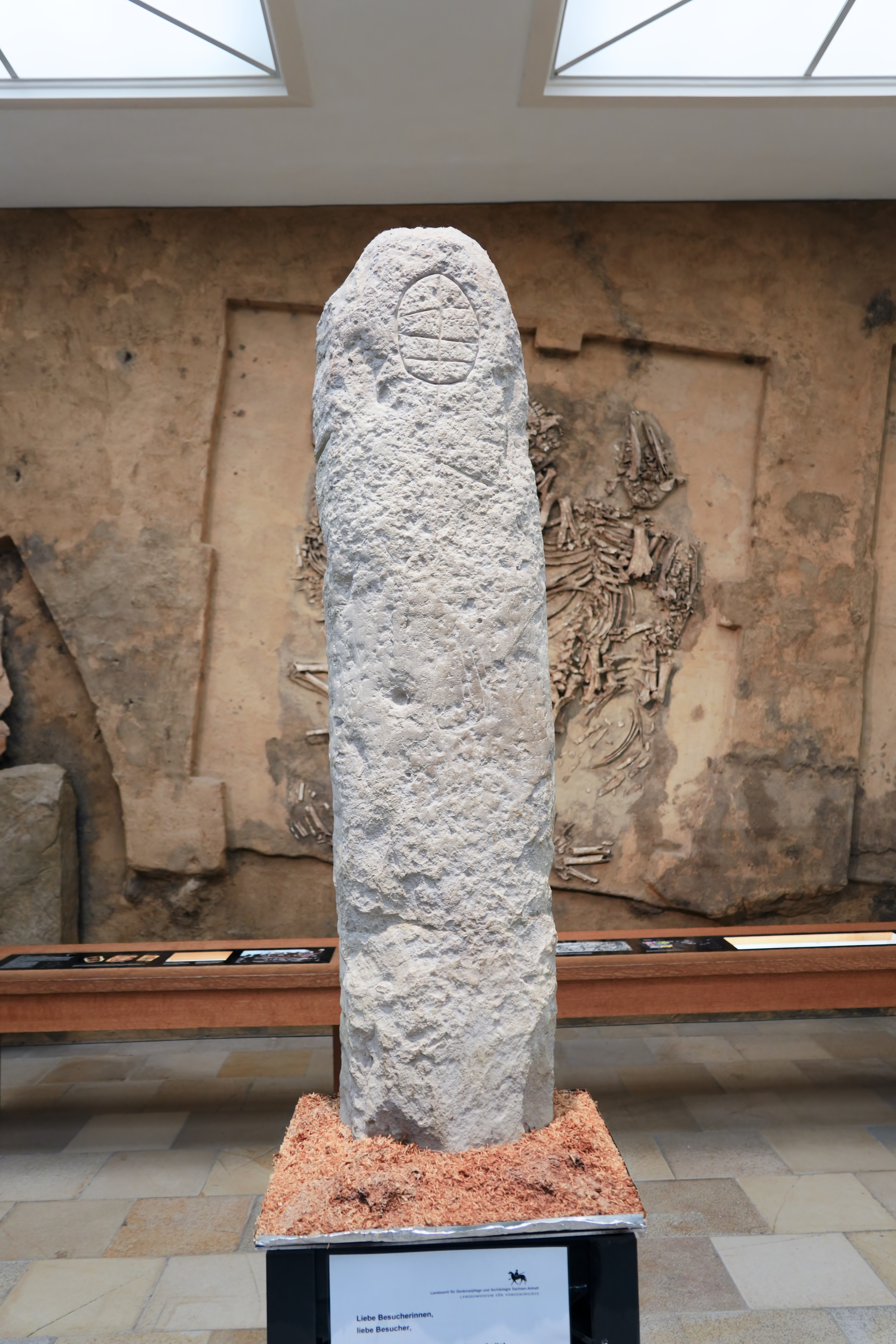
A tall ancient stone pillar with carvings stands displayed in a museum, surrounded by a historical exhibit in the background.

The last picture is the original in the Landesmuseum, see yesterday.

dolmengoettin.de

Eichstädter Warte

Same site as the Dolmengöttin, separated by a few meters and a few millennia

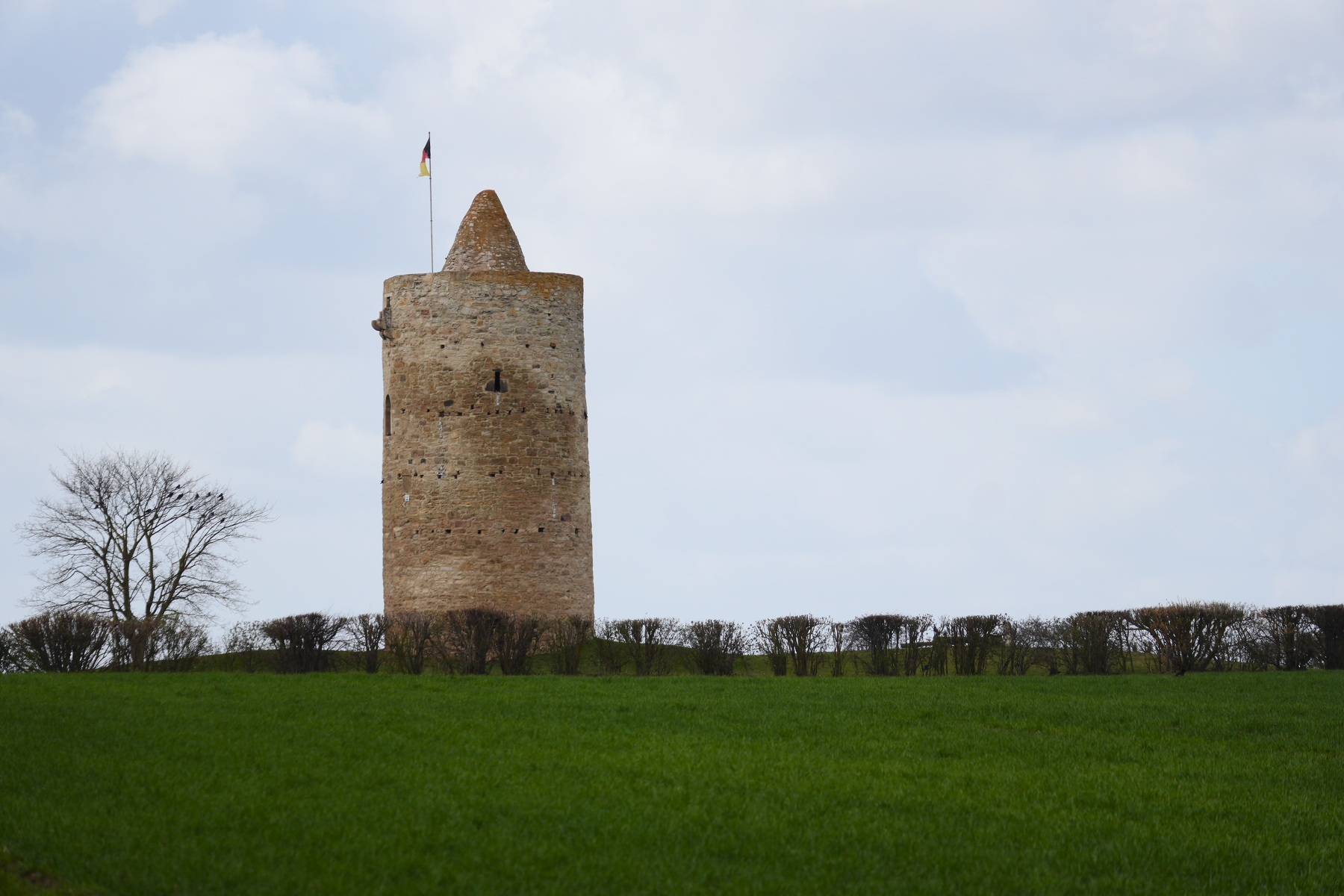
A stone tower with a conical top stands in a grassy field, topped with a flag, under a cloudy sky.

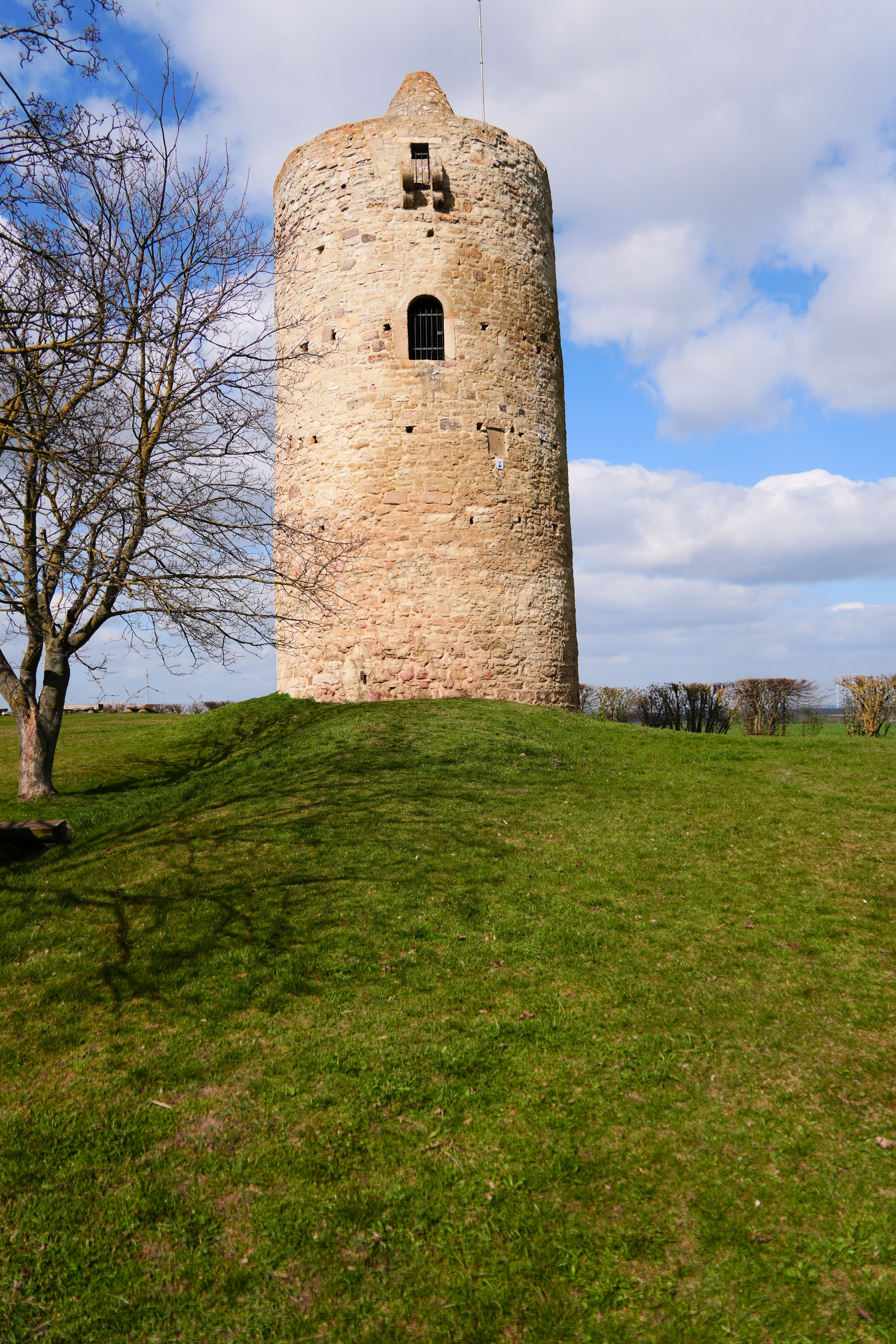
A tall, cylindrical stone tower stands on a grassy hill, surrounded by trees under a partly cloudy sky.

Medieval watchtower, build around 1000 CE by Heinrich I to watch for marauding Hungarians (there was more than the one tower, then)

Eichstädter Warte

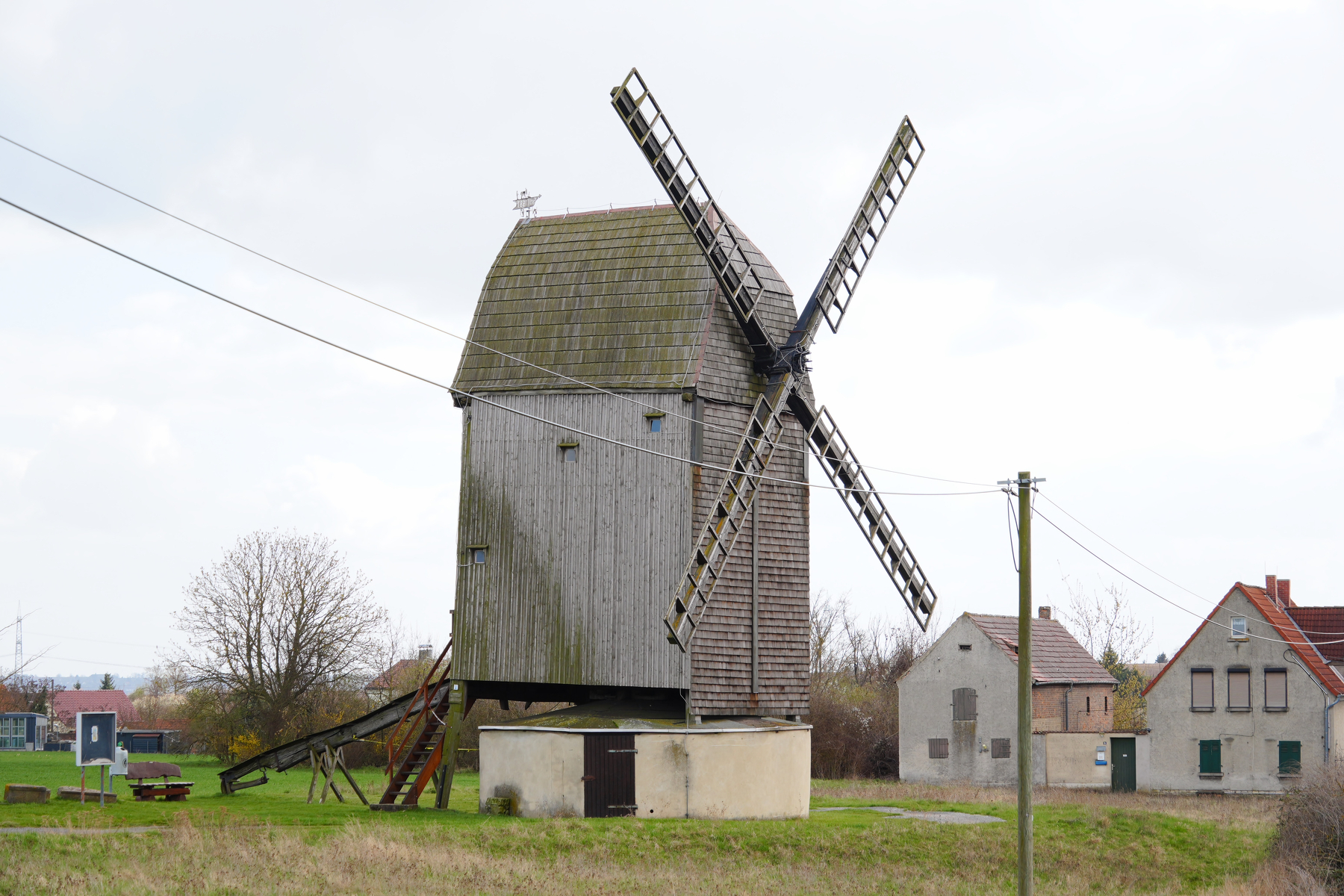
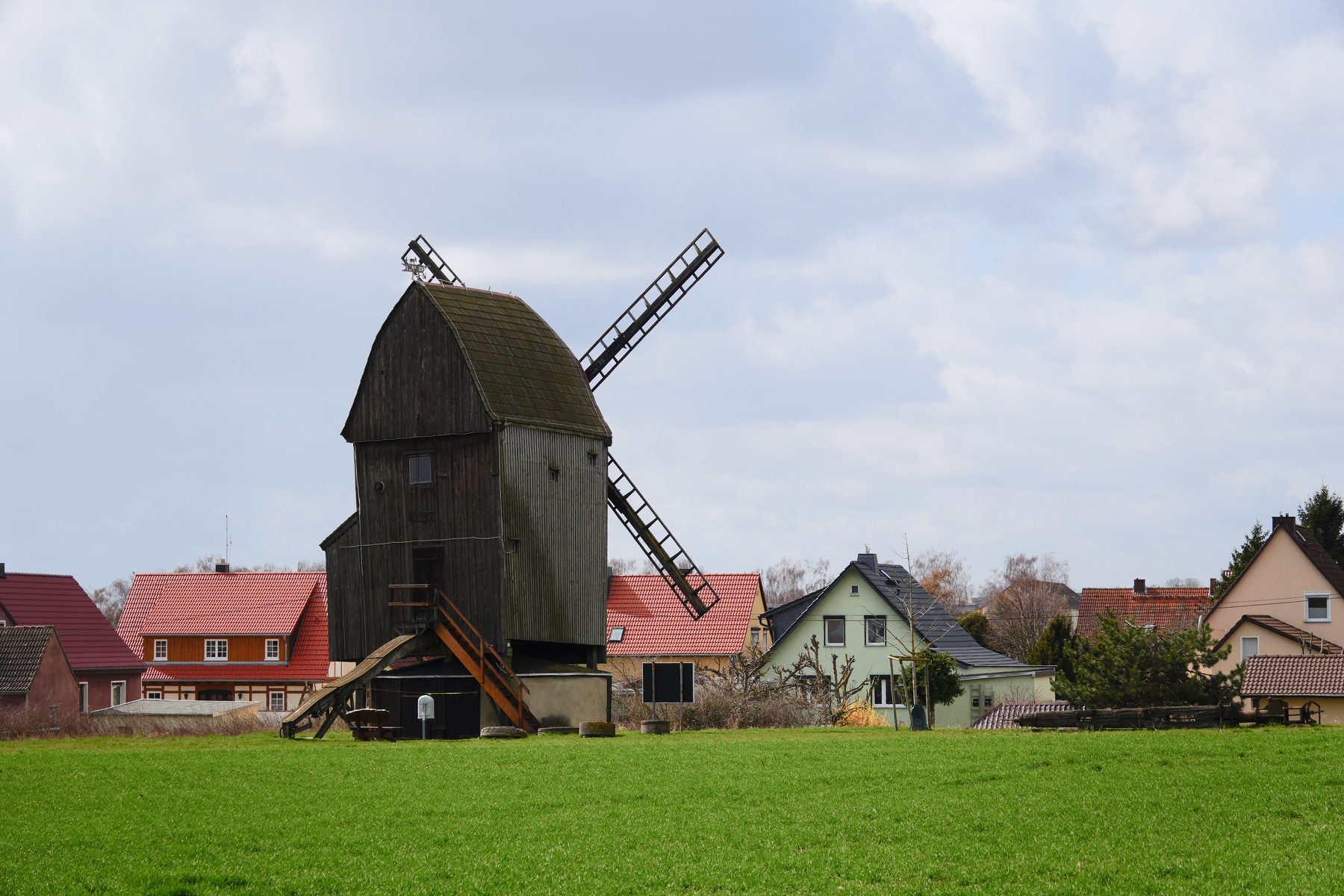
A windmill on the way

A rustic wooden windmill stands in a grassy field near several small houses under a cloudy sky.

A rustic wooden windmill stands amid a village with colorful houses under a cloudy sky.

We saw a few mill ruins, mostly Dutch-style mills; this was the only post mill.

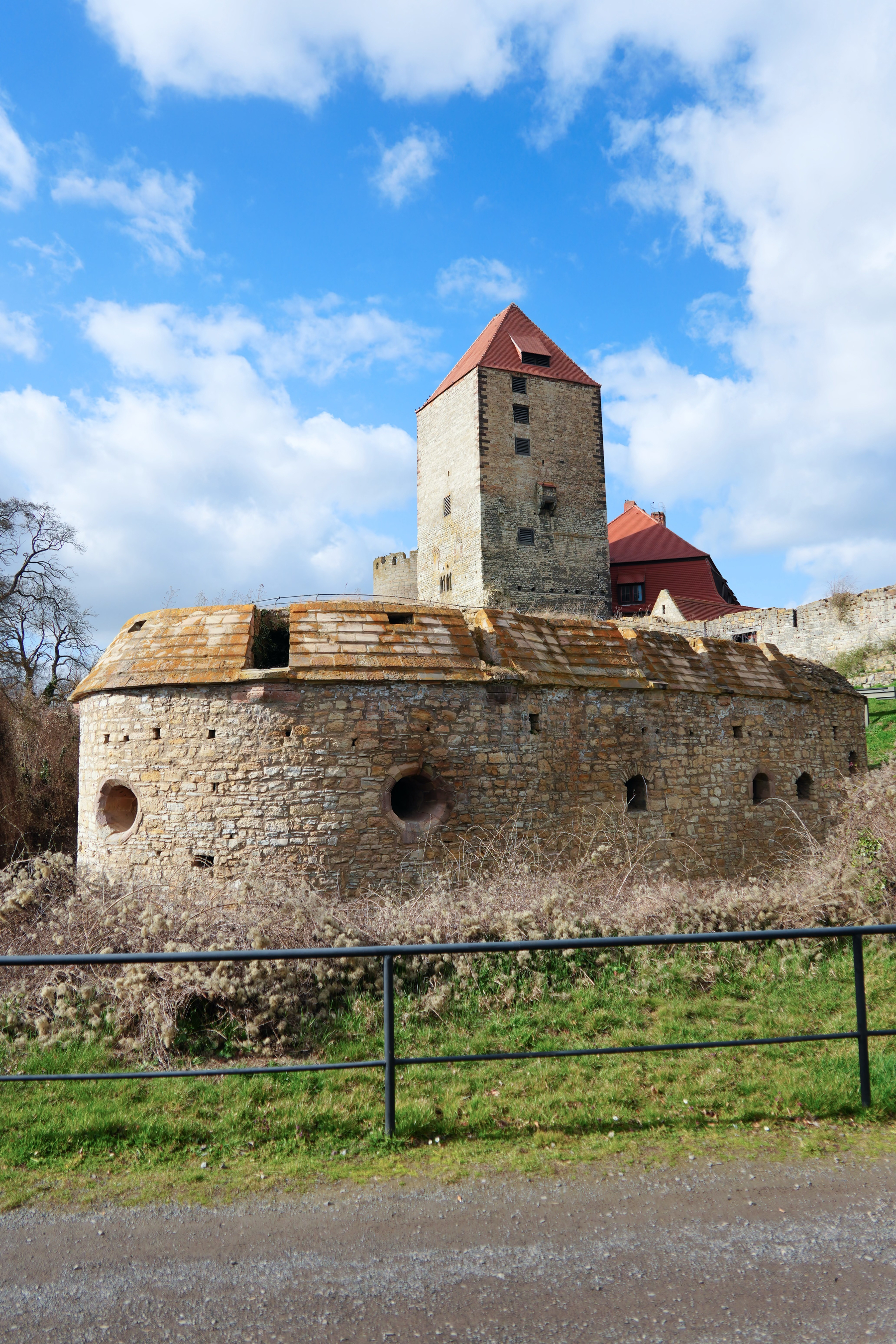
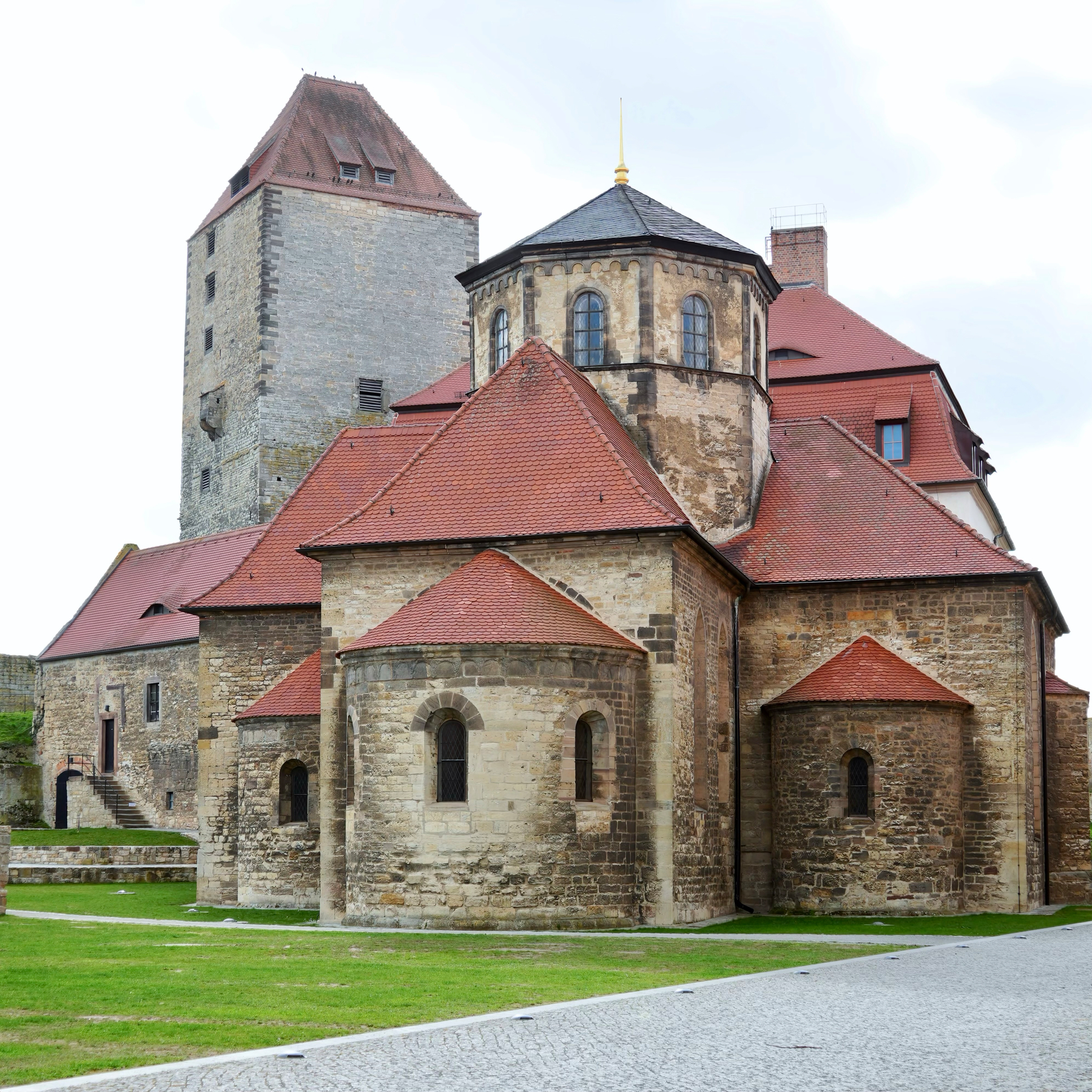
Burg Querfurt

A stone medieval fortress with a tall central tower and red roof is set against a blue sky with clouds, surrounded by grass and a metal railing.

A medieval church with stone walls and red-tiled roofs stands next to a cobblestone pathway and grassy area in the fortress

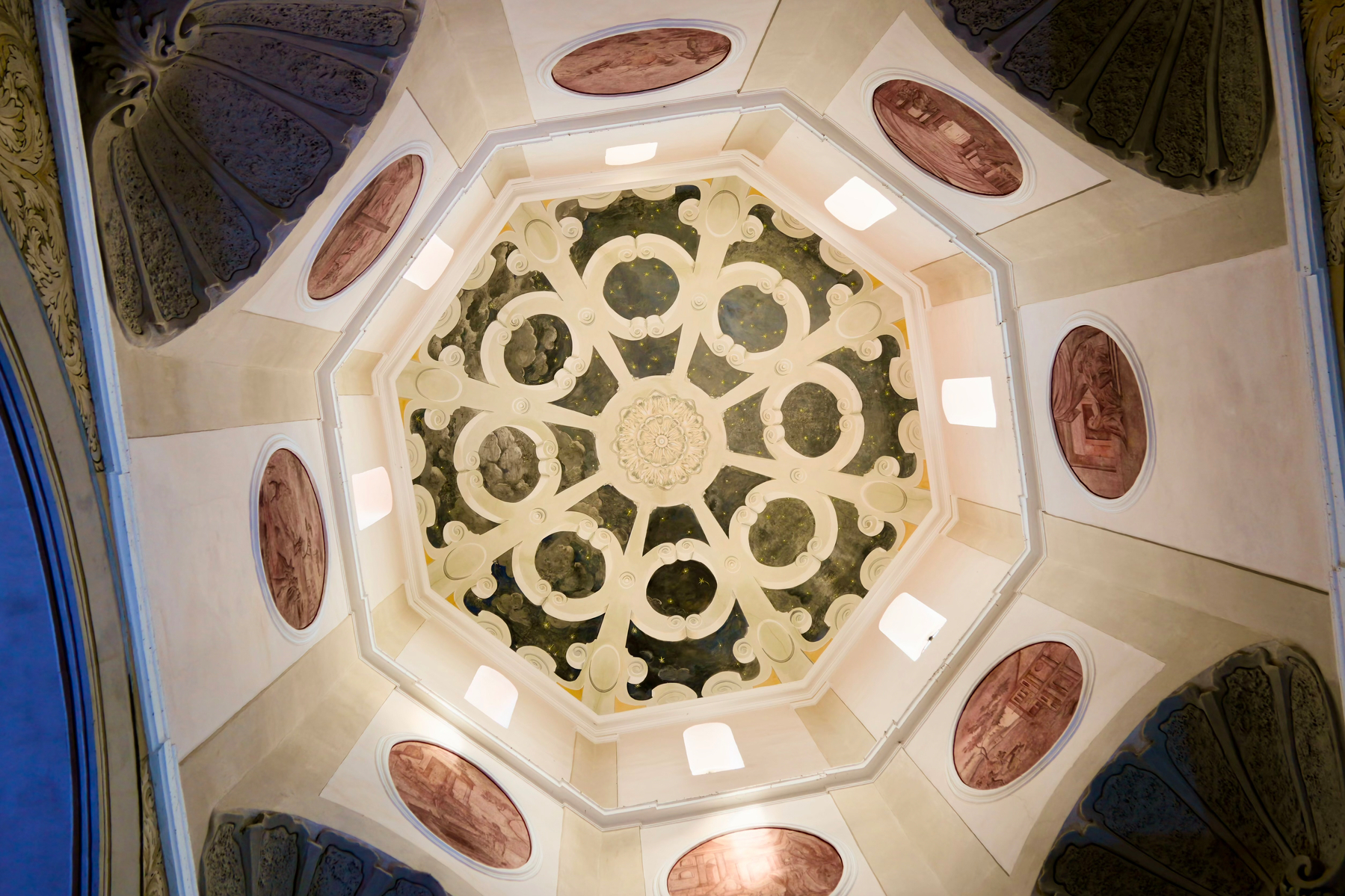
An ornate, circular ceiling with intricate patterns and circular frescoes encircles a dome lit by small rectangular windows.

www.burg-querfurt.de/en/

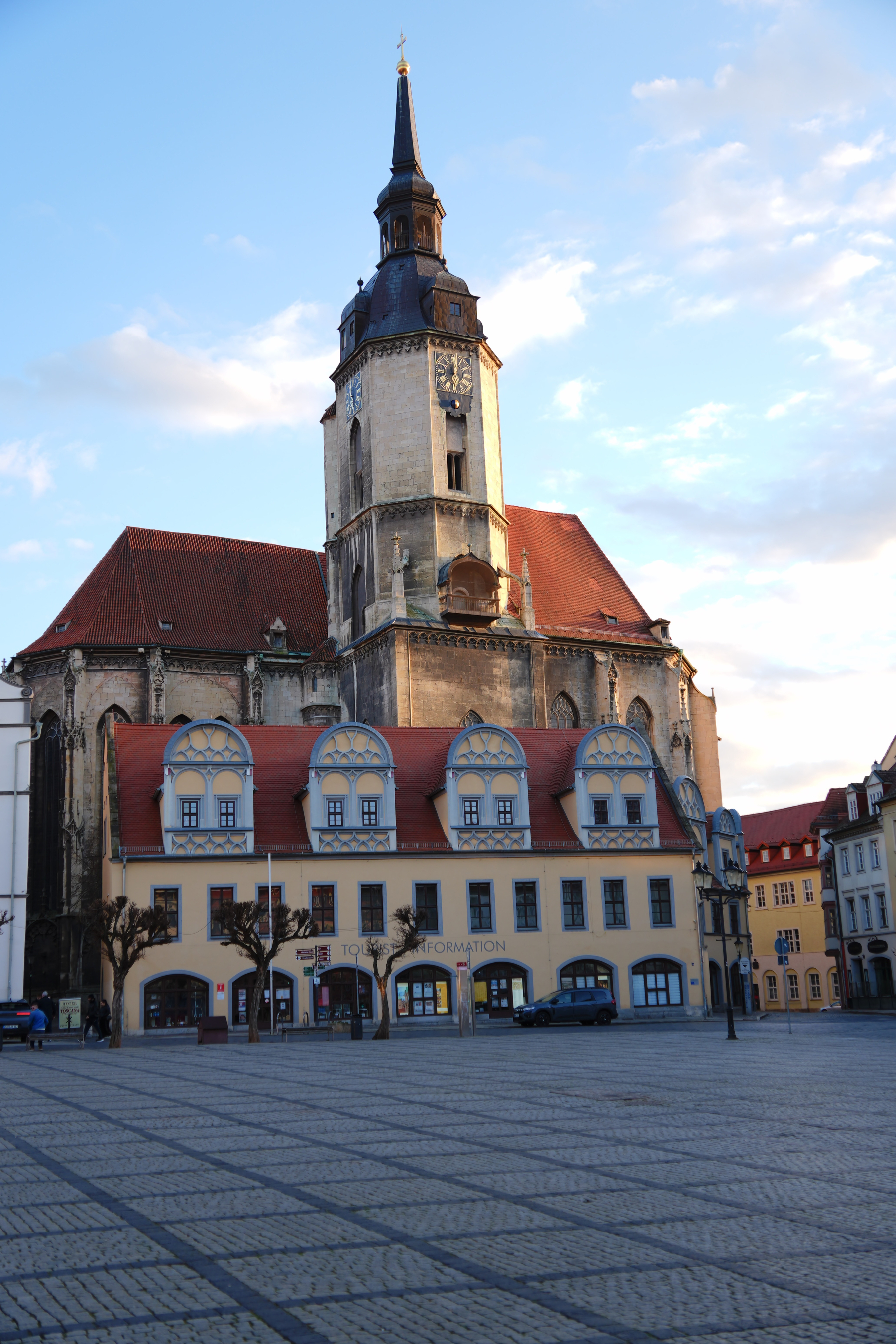
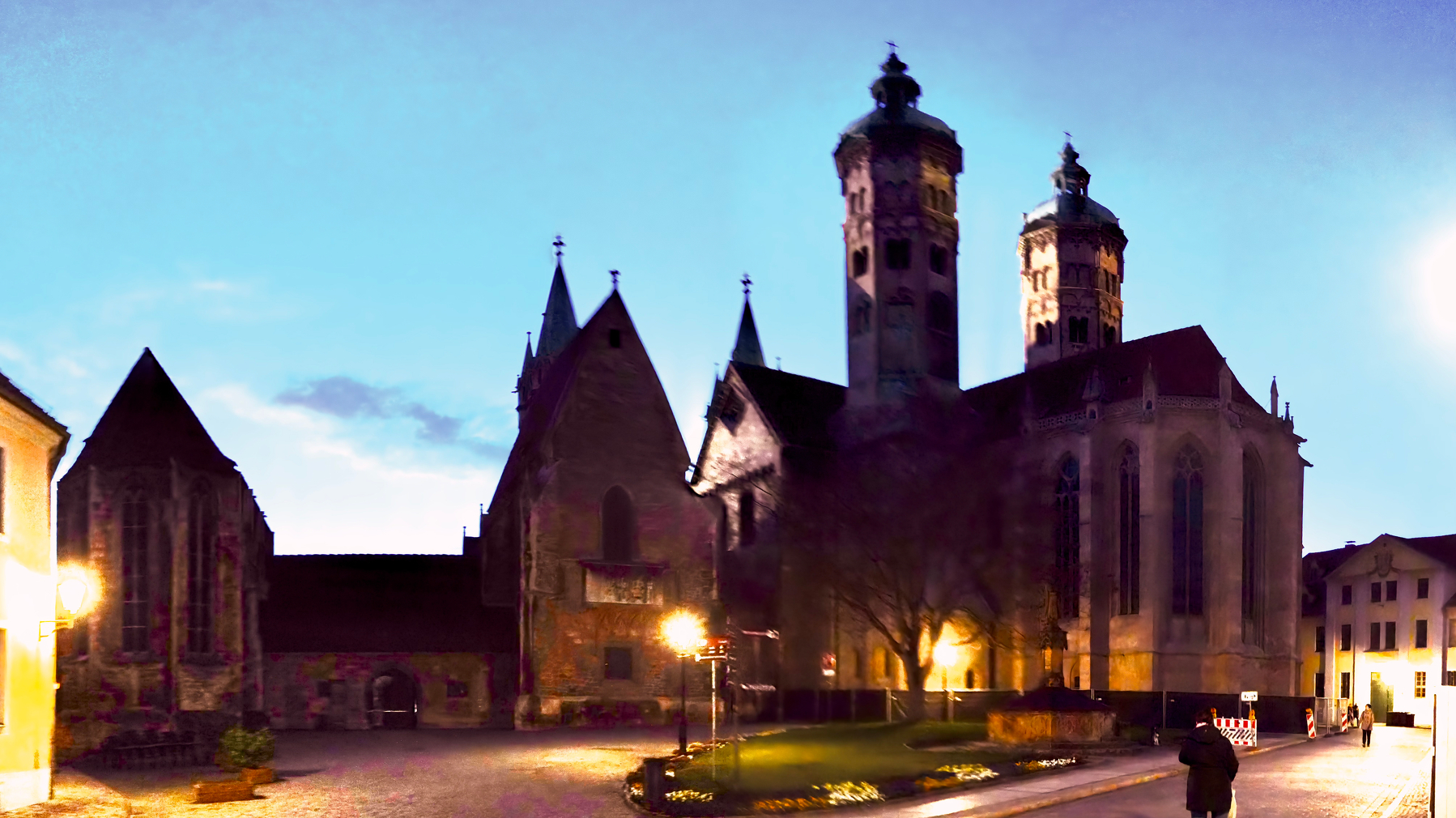
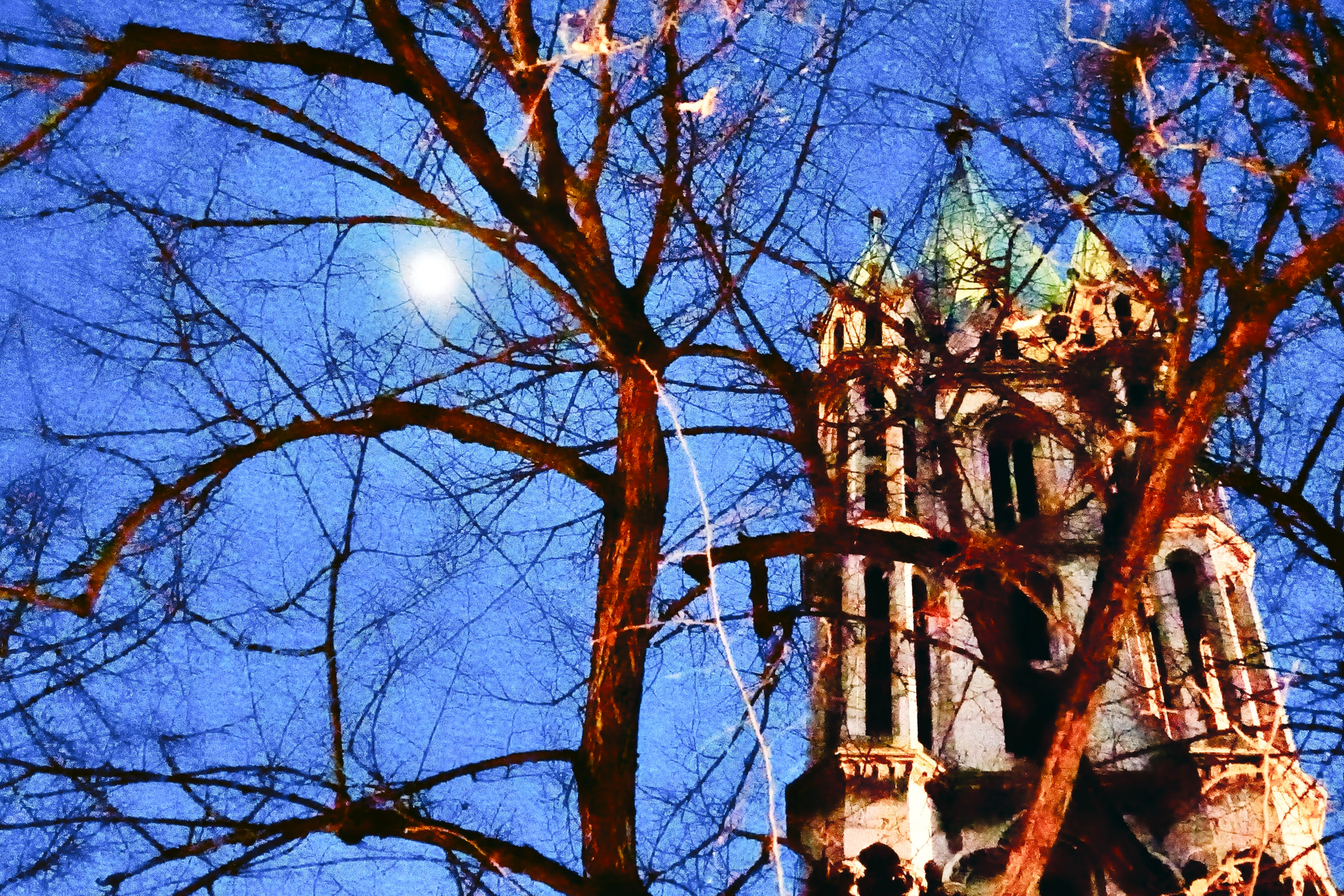
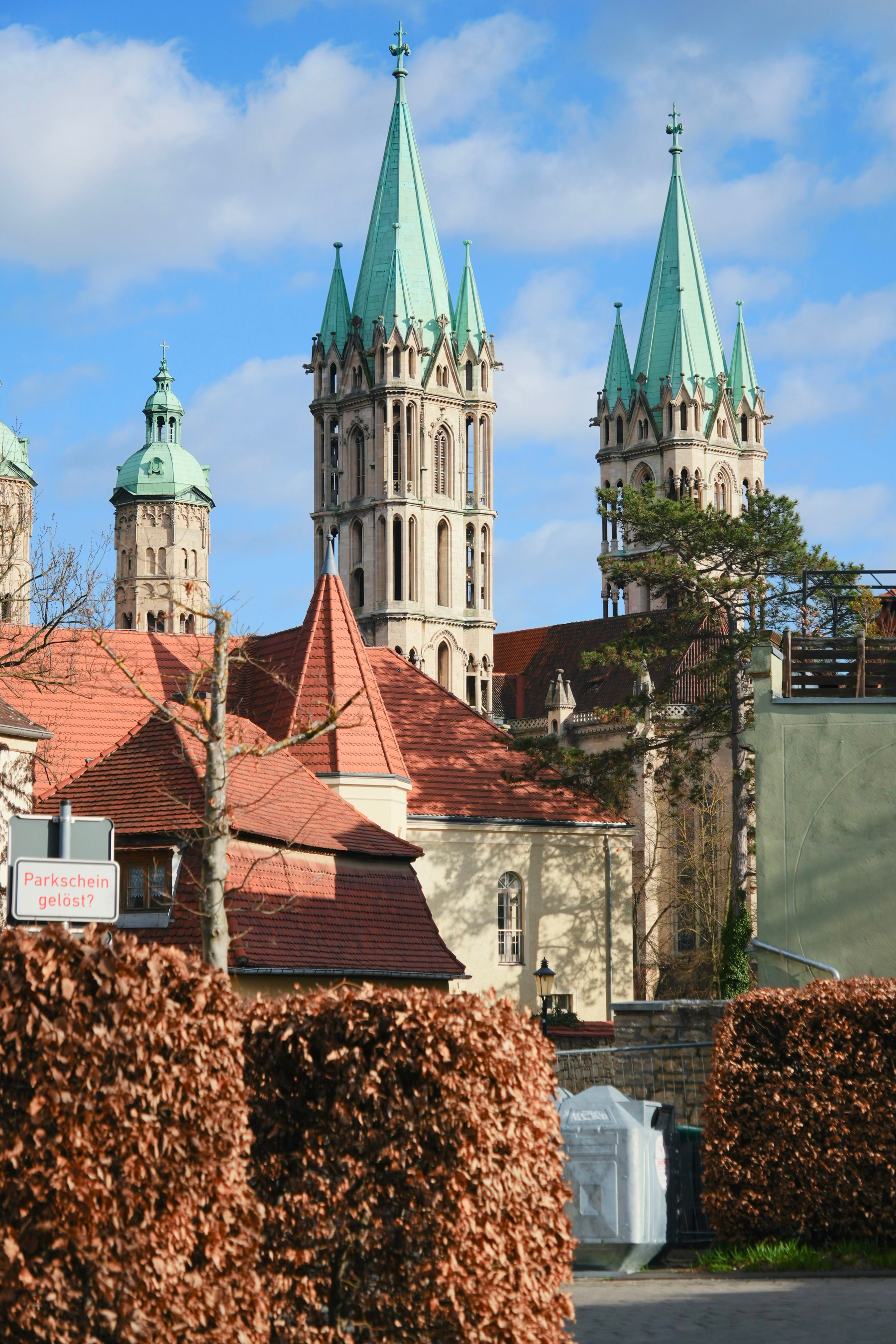
Naumburg

Historic buildings with tall, green-roofed spires rise above red-tiled roofs and a neatly trimmed hedge.

A historic church with a prominent tower stands behind a row of traditional buildings in a cobblestone square, bathed in warm sunlight.

A historic church with tall towers and a glowing street lamp stands in a dimly lit town square at dusk.

A moonlit night sky frames a gothic-style tower and bare tree branches. en.wikipedia.org/wiki/Naum…

Day 6

Bad Lauchstädt

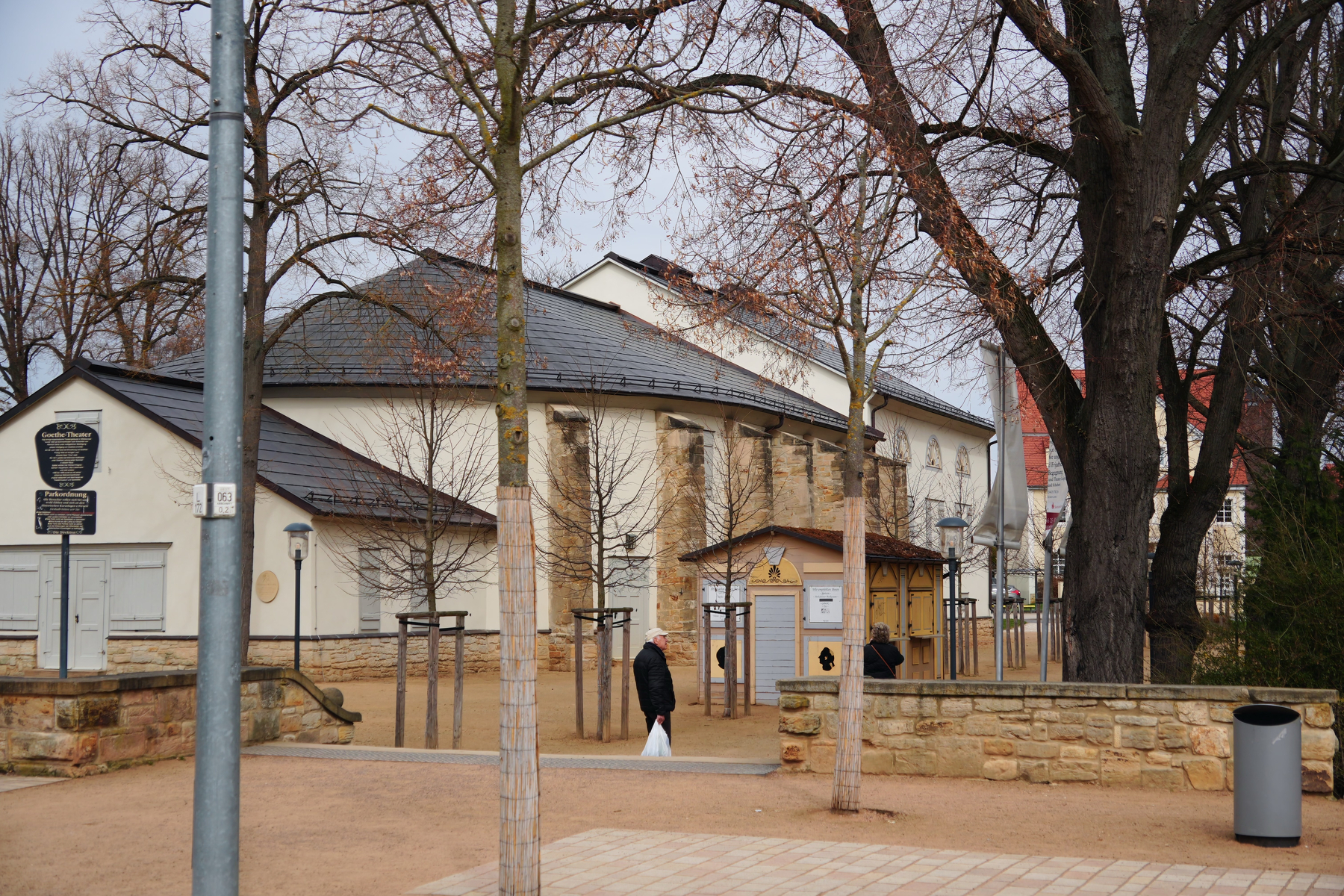
A person walks through a park area flanked by leafless trees and historical buildings, the Goethe Theater.

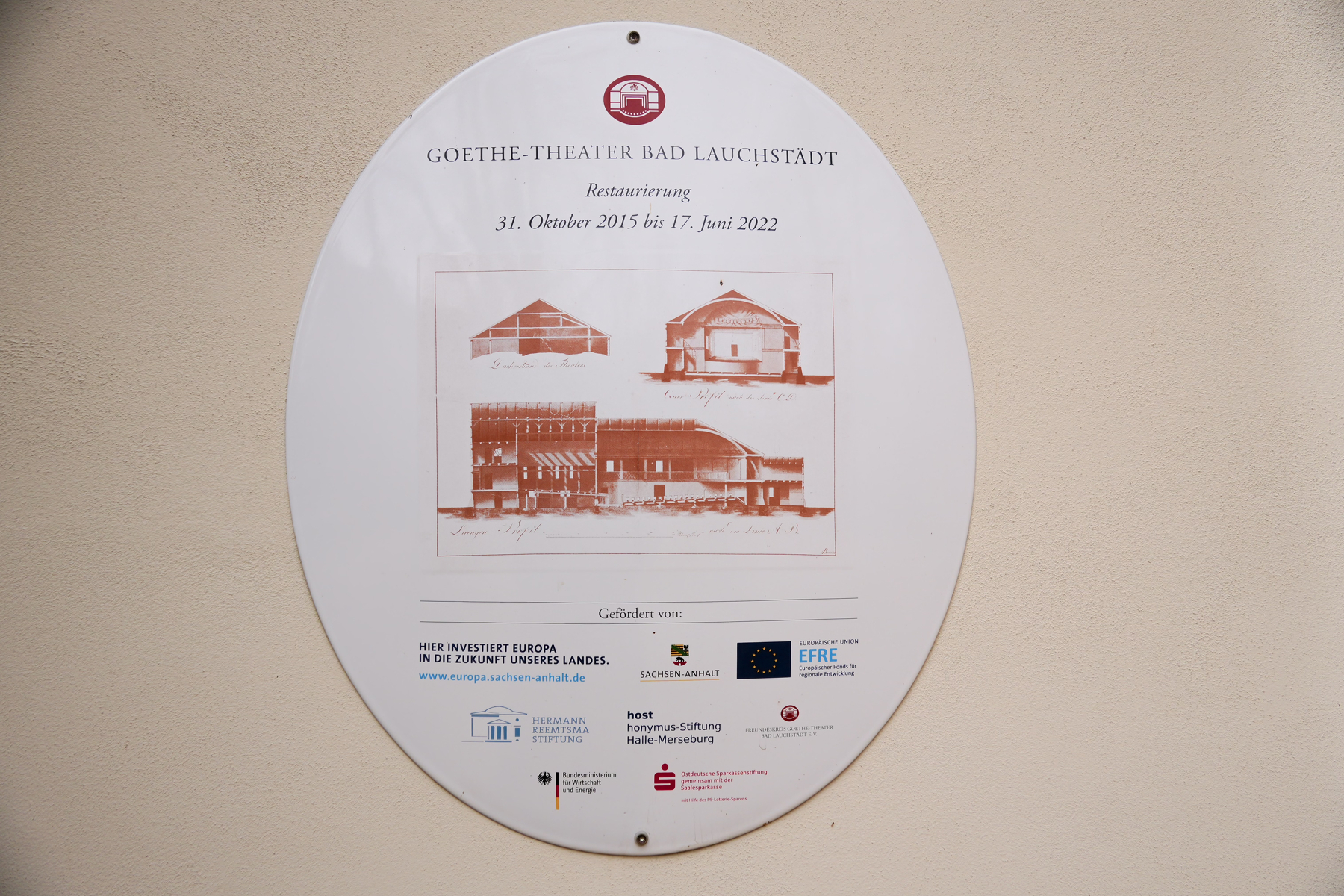
An information plaque detailing restoration dates for the Goethe-Theater Bad Lauchstädt features architectural sketches and logos of supporting organizations.

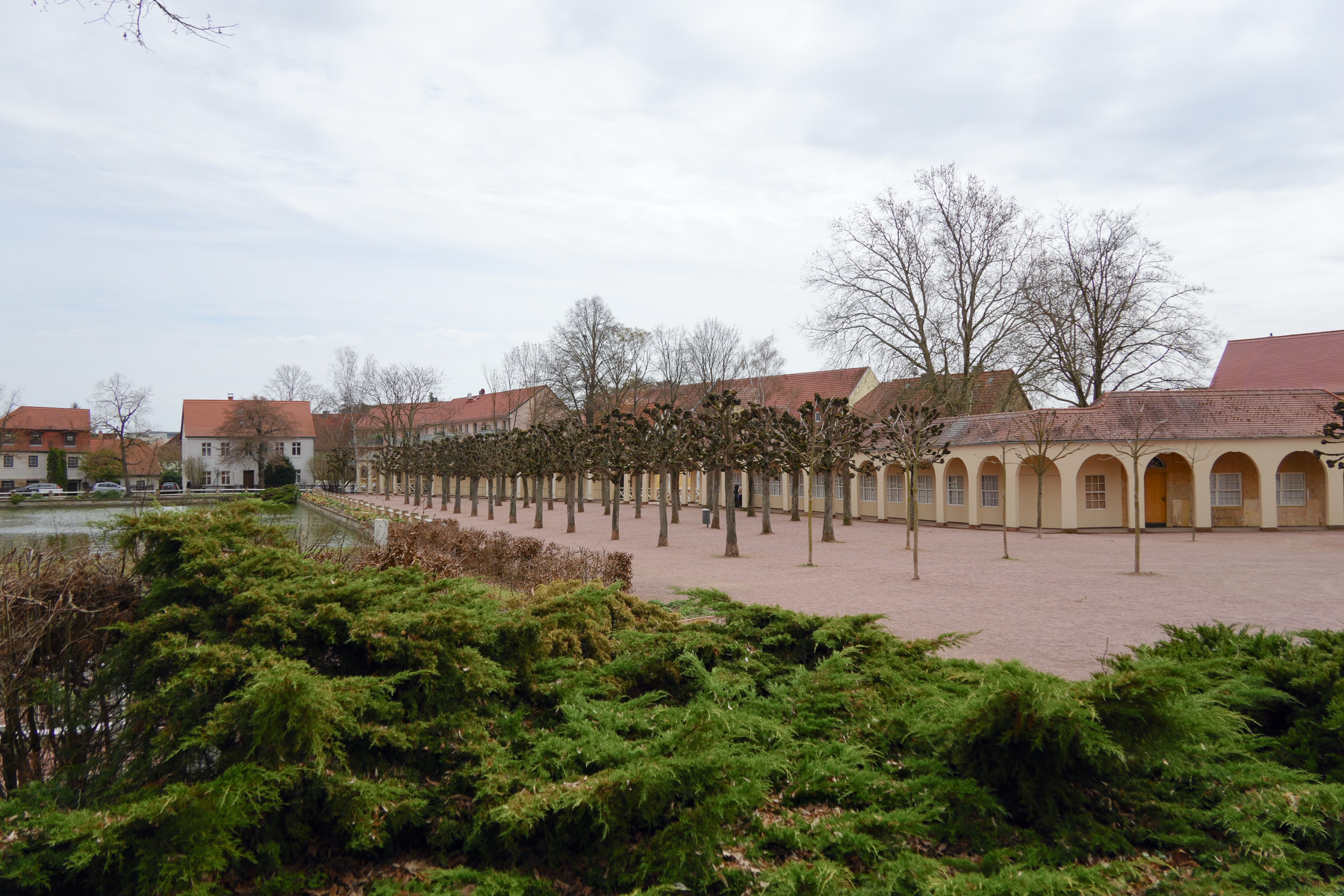
A row of pruned trees lines a pathway in a landscaped area with nearby buildings and a cloudy sky.

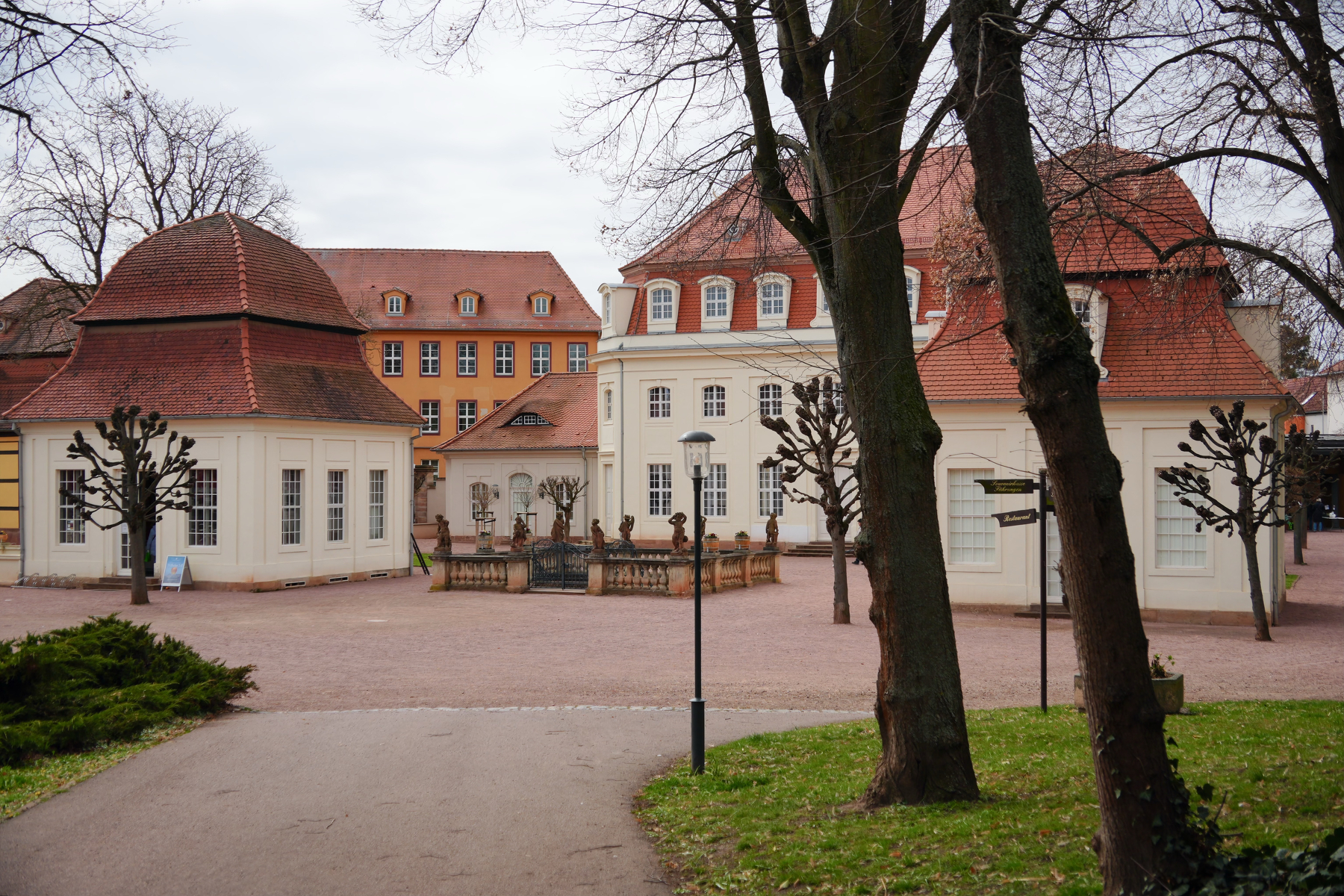
A historic building with red-tiled roofs is flanked by trimmed trees and a pathway in a park-like setting.

This small spa was the summer holiday location for the court at Weimar, which explains why Goethe was seconded to help design the theater there and got to run it, as one of his jobs was theater director to the court.

Goethe

Naumburger Dom

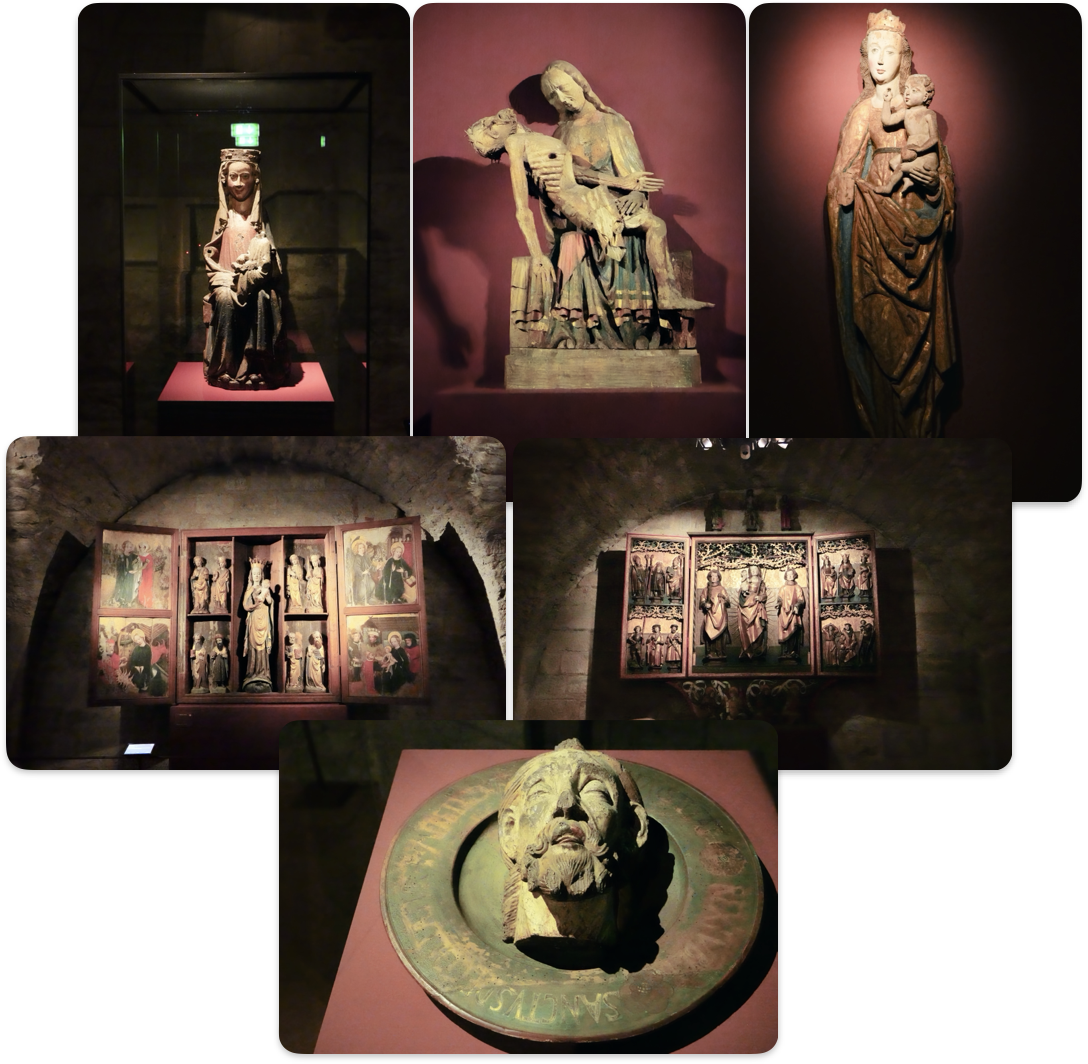
Yesterday we managed to get here just after the cathedral closed. Today we got here in time to an open door for the town. The cathedral was way livelier than I like for photos. One of the things we looked at was the cathedral treasure vault under the cloister.

A collection of medieval religious sculptures and paintings is displayed in a dimly lit museum setting.

en.wikipedia.org/wiki/Naum…

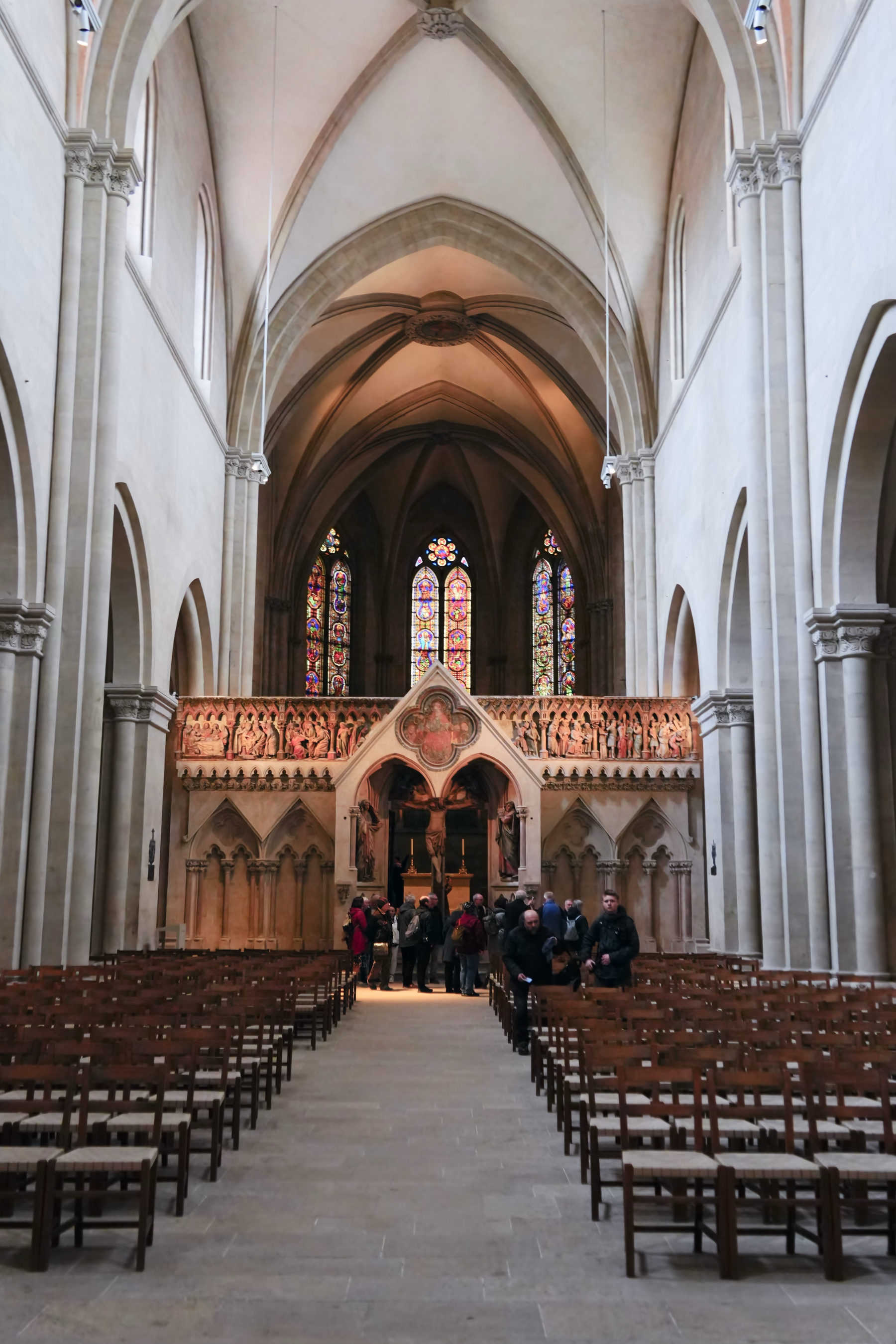
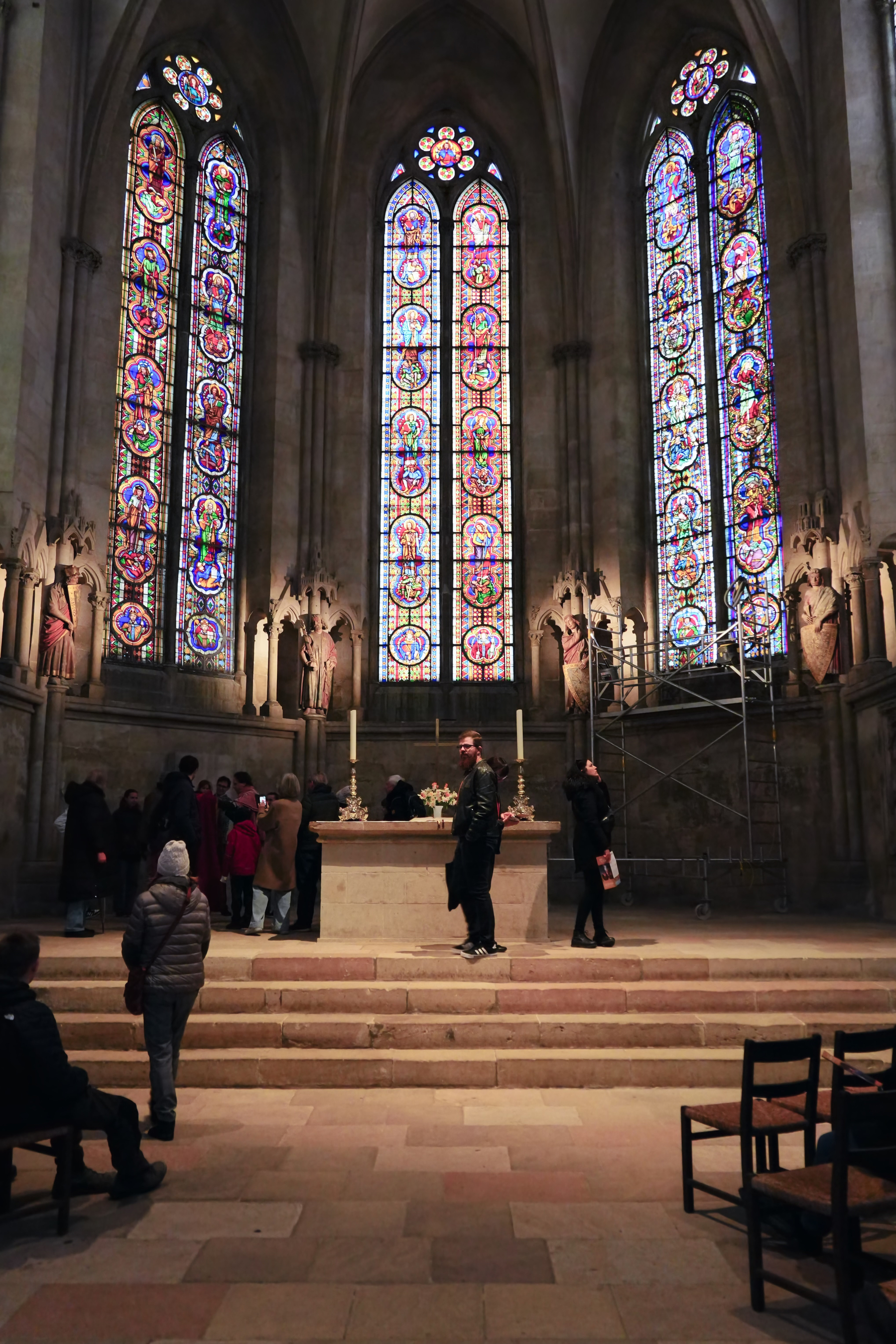
West Choir, this includes the famous sculptures of the founders

A group of people stand gathered near the ornate altar area in a cathedral with arched ceilings and stained glass windows.

A group of people is gathered inside a cathedral, admiring the stained glass windows and sculptures on the altar.

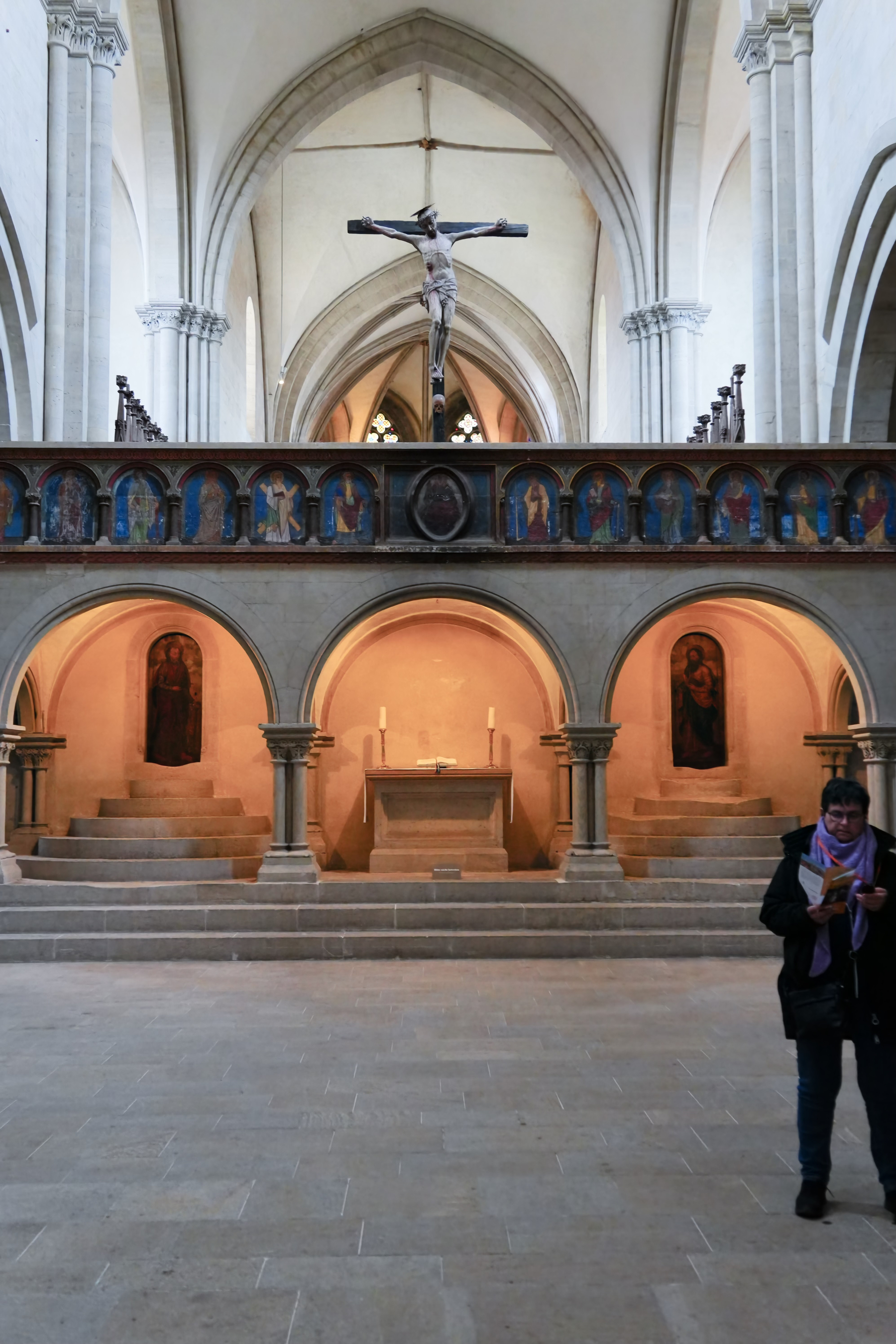
East Choir

A person stands inside a historic church interior featuring a large archway with religious artwork and a crucifix above.

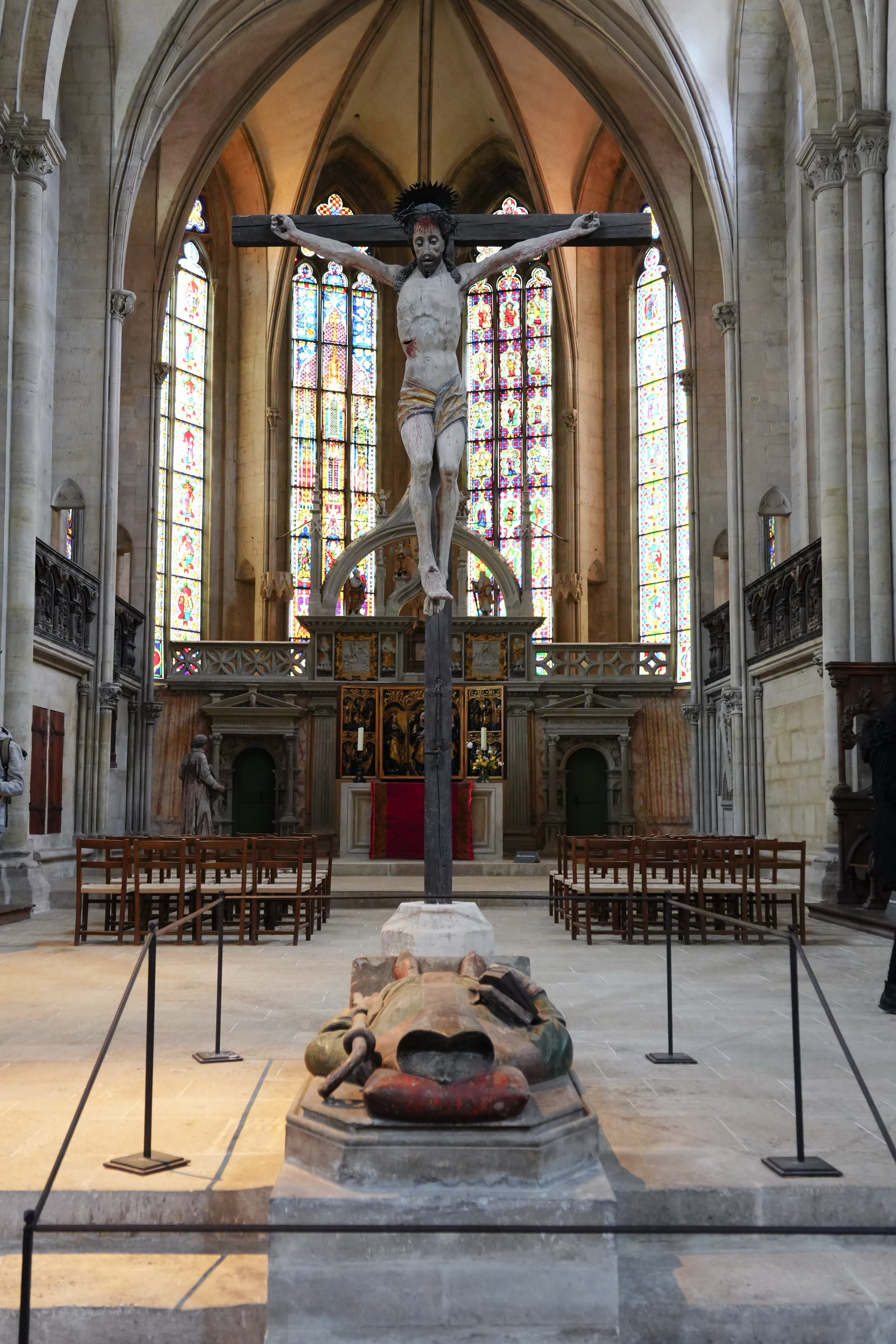
A large crucifix stands prominently in a cathedral with stained glass windows and ornate architecture.

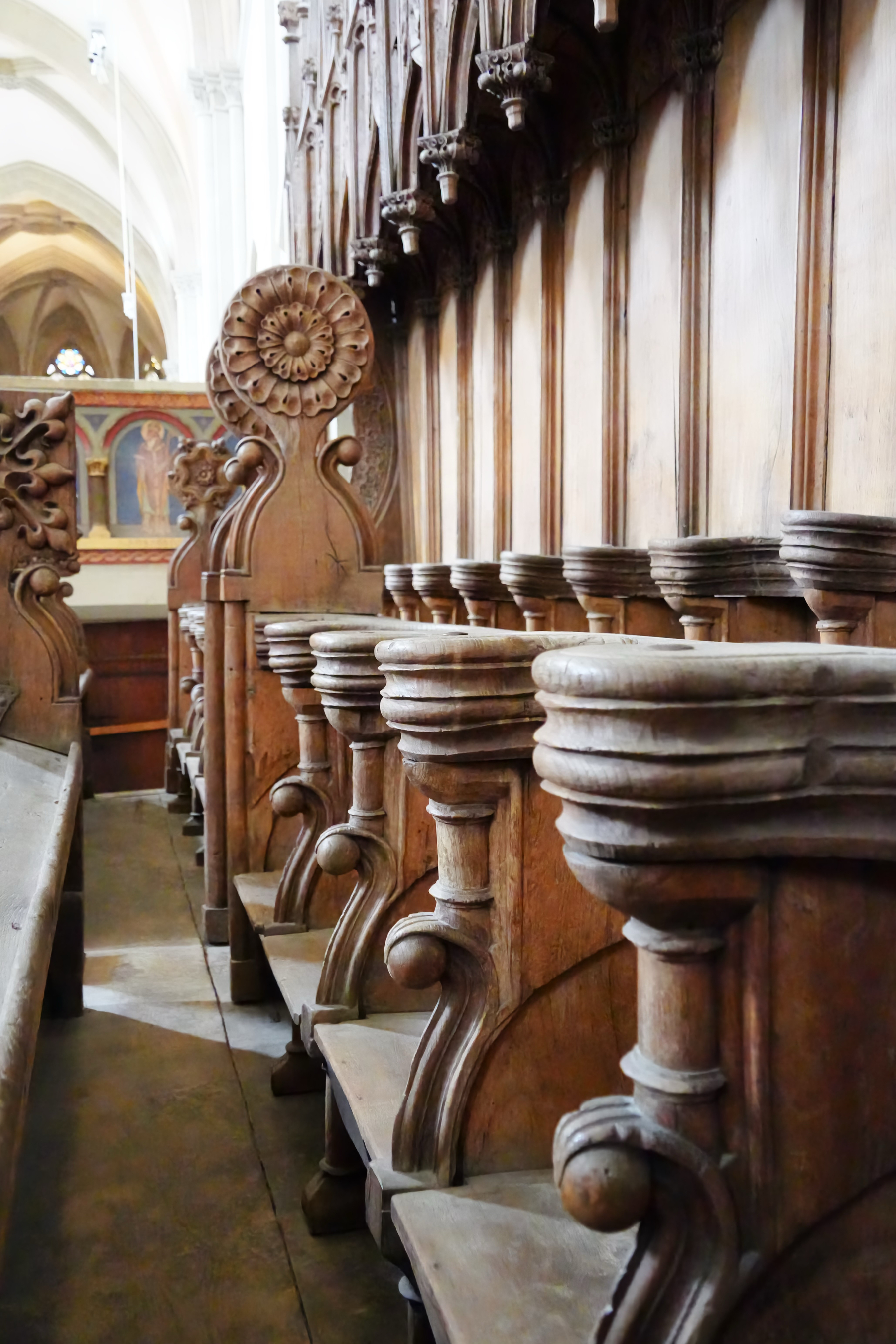
A row of intricately carved wooden choir stalls is lined up in a historical church or cathedral setting.

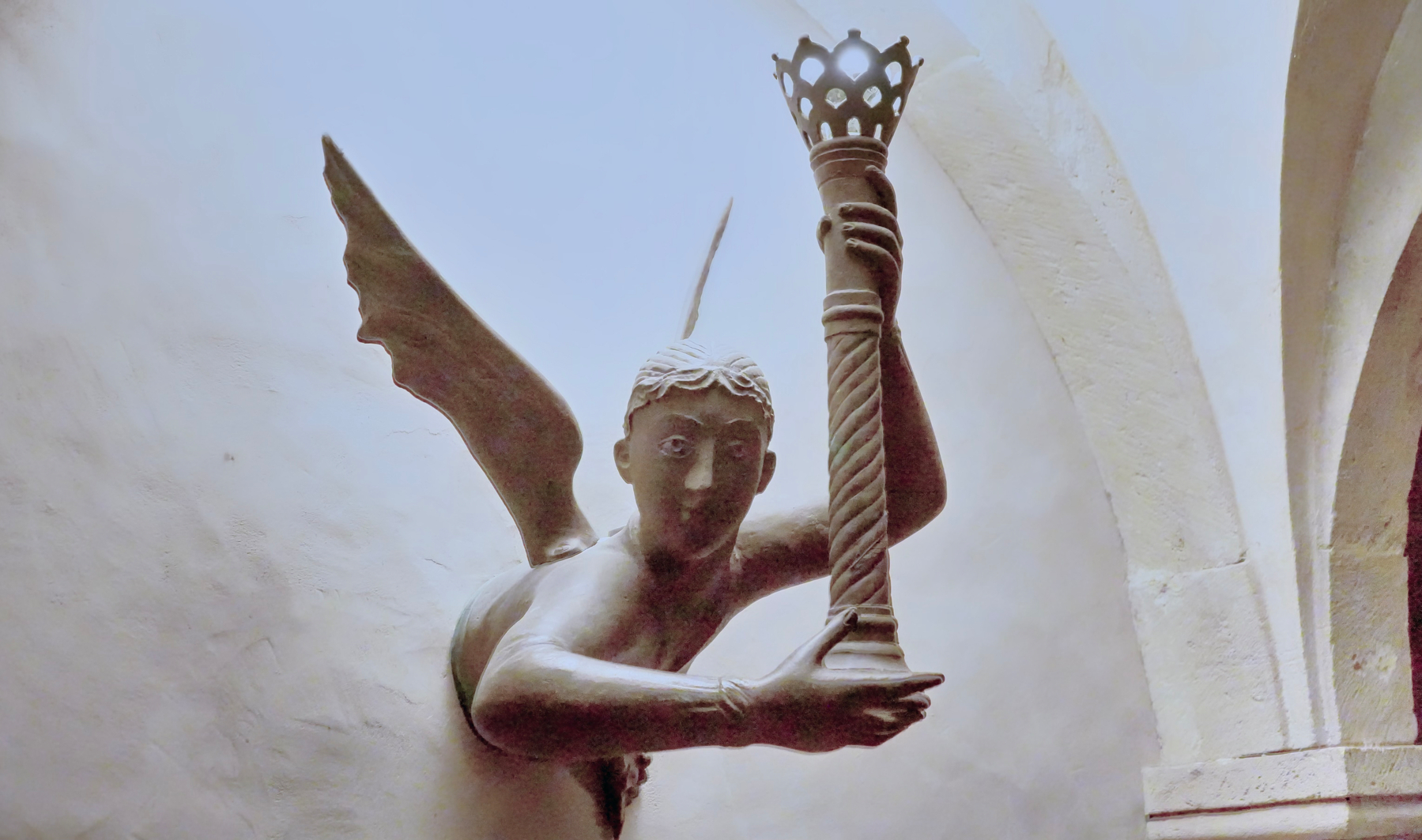
A winged sculpture holds a torch-like object, mounted against a textured wall with an arched design.

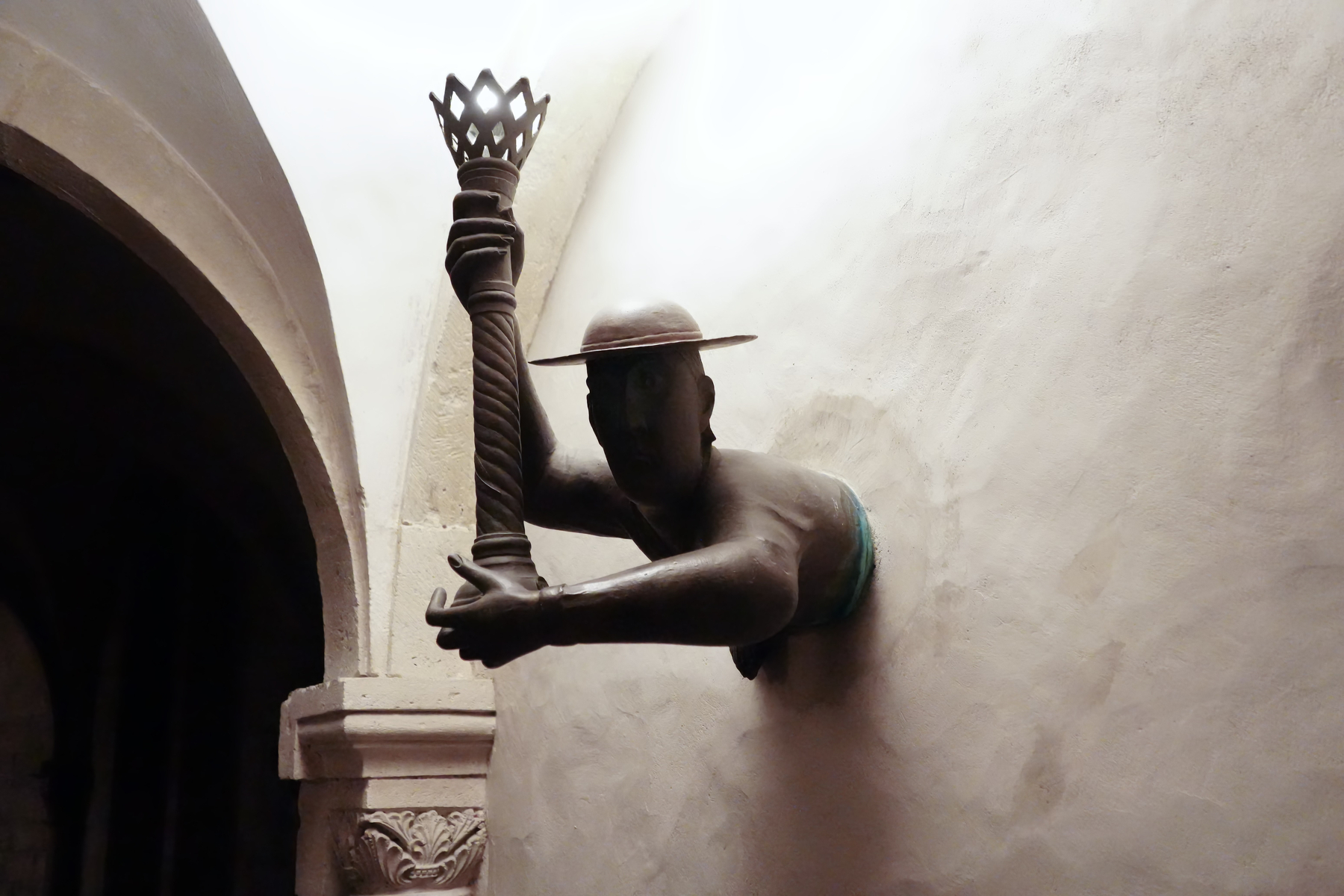
A wall-mounted sculpture depicts a figure wearing a hat, holding a torch-like object.

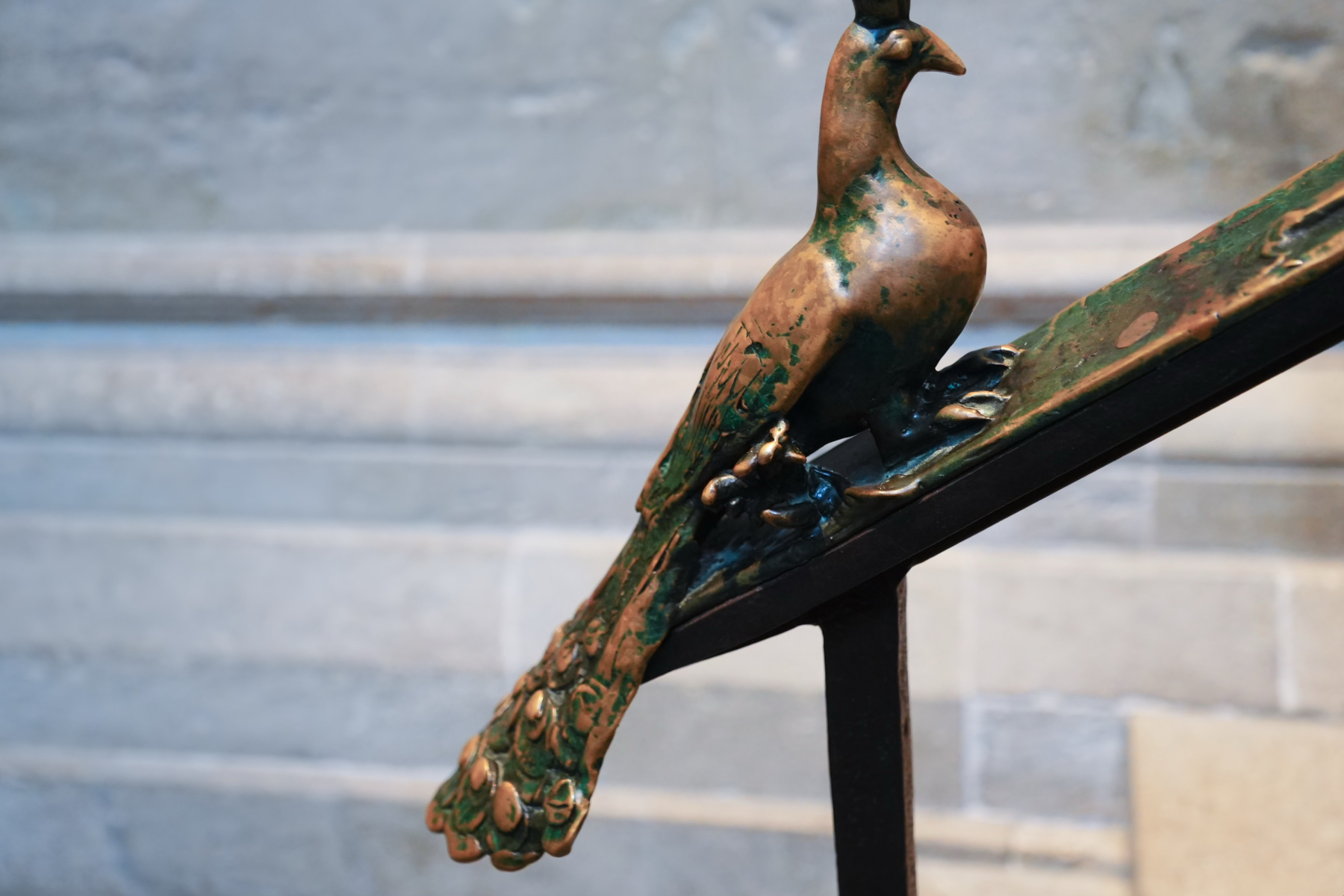
A bronze sculpture of a bird with a long tail is perched on a metal railing.

How we liked it

Cycling

Cycling on this trip was challenging. The weather was poor, and cycling infrastructure in the area is minimal. Many roads are cobblestone with no dedicated cycling paths, making for an uncomfortable ride—especially uphill.

We cycled through Merseburg, where our hotel was located, and rode through Halle with our bikes, though we drove there by car. Our visit to the Dolmengöttin was entirely by bicycle; on other days, we used the car.

Next time, we would leave the bicycles at home, not least because the bike rack increases fuel consumption.

Thoughts and conclusions

Today’s Sachsen-Anhalt (the bits we covered)

As a tourist, you can feel a bit unwelcome—not due to the locals, but because of the infrastructure. Finding something to drink, eat, or a place to sit can be difficult. Presumably, this is because the tourist season only starts in April; we may have been too early.

Many places to eat serve only kebab, which can become monotonous.

There are many well-preserved historic sites, but locating them can be tricky. We did not find a single source listing all of them.

The Neolithic finds are well-documented and linked on himmelswege.de, though addresses are sometimes missing.

Other sites—such as Naumburg Cathedral, Bad Dürrenberg Saltworks, Goethe Theater Bad Lauchstedt, and Burg Querfurt—are all impressive, but you need to know they exist.

Neolithic Sachsen-Anhalt

We focused mainly on the area south of the Elbe, west of the Saale, and north of the Unstrut. This region was significant in Neolithic times, with at least three major wooden henges discovered so far.

The Sonnenobservatorium Goseck, dating to around 5000 BCE, is the oldest known sun observatory in the world. It has been reconstructed and can be visited for free. Its simplicity belies its sophisticated purpose, which connects it to the Nebra Sky Disk.

There may be an older observatory somewhere, but locating it will be difficult, as only discolored postholes would remain.

Schönebeck (ca. 2150 BCE) was excavated and then reburied; it cannot be visited. While it is the youngest of the henges, its complexity lies between Goseck and Pömmelte.

Schönebeck

Nearby is the Ringheiligtum Pömmelte (ca. 2800 BCE), which has been reconstructed with a shop, additional information, and amenities like coffee and toilets.

This grand structure features round concrete blocks with information about sacrificial remains. It was not merely a religious site; evidence suggests it was used as a meeting point for a large area, with people coming from both sides of the Elbe. Some burials were also found here.

The other burials—the Dolmen of the Dolmengöttin and the burial of Bad Dürrenberg—are less impactful for visitors.

This leaves the Nebra Sky Disk. Its purpose is linked to the Sonnenobservatorium Goseck. Visiting the Arche Nebra and the Landesmuseum für Vorgeschichte in Halle provides extensive information about the disk. Either, or preferably both, is worth seeing.

Videos on the Landesmuseum site (German)

Overall

A cool trip. Next time don’t bring the bikes. Go a little bit later in the year when it is warmer and provision your day trips.

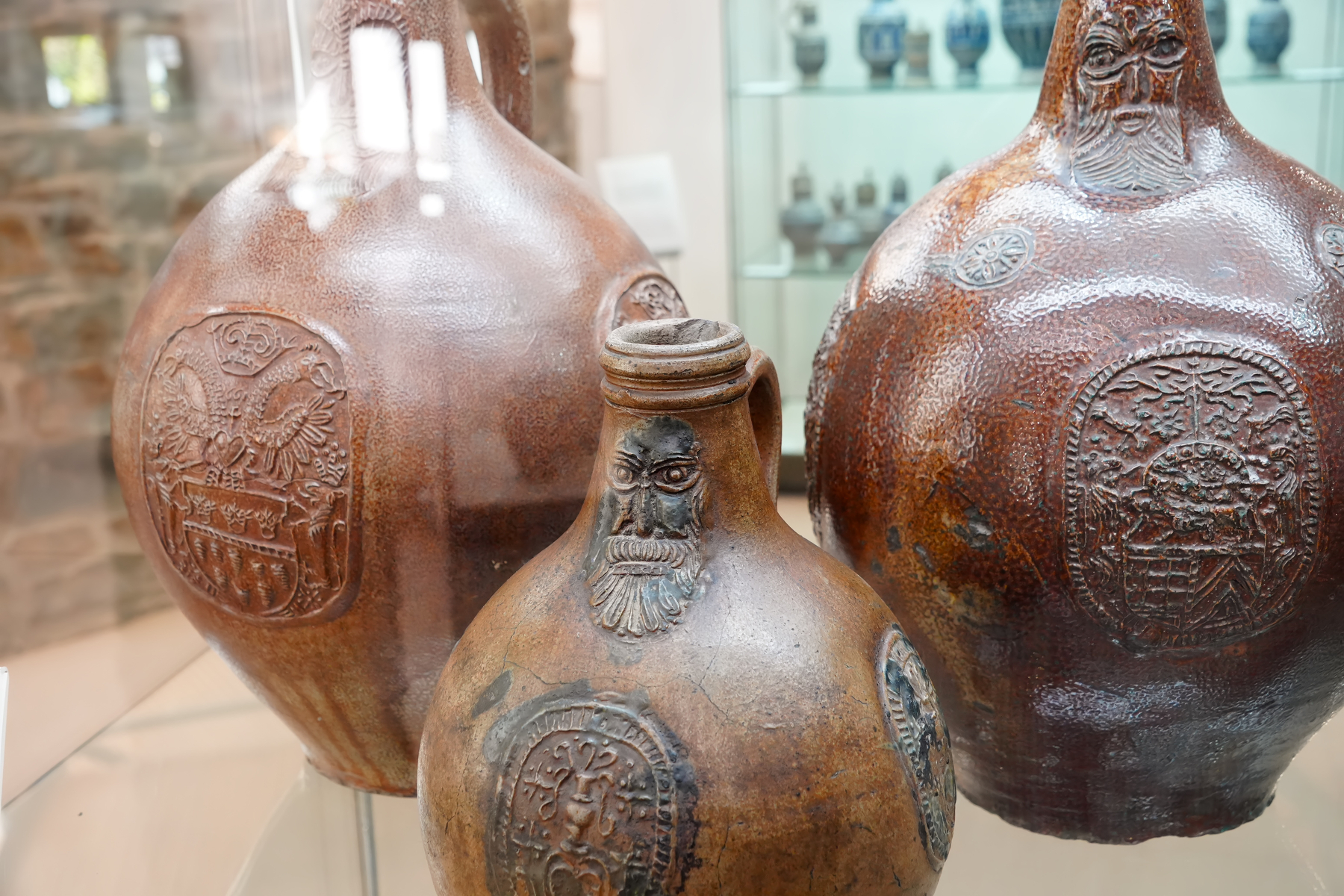
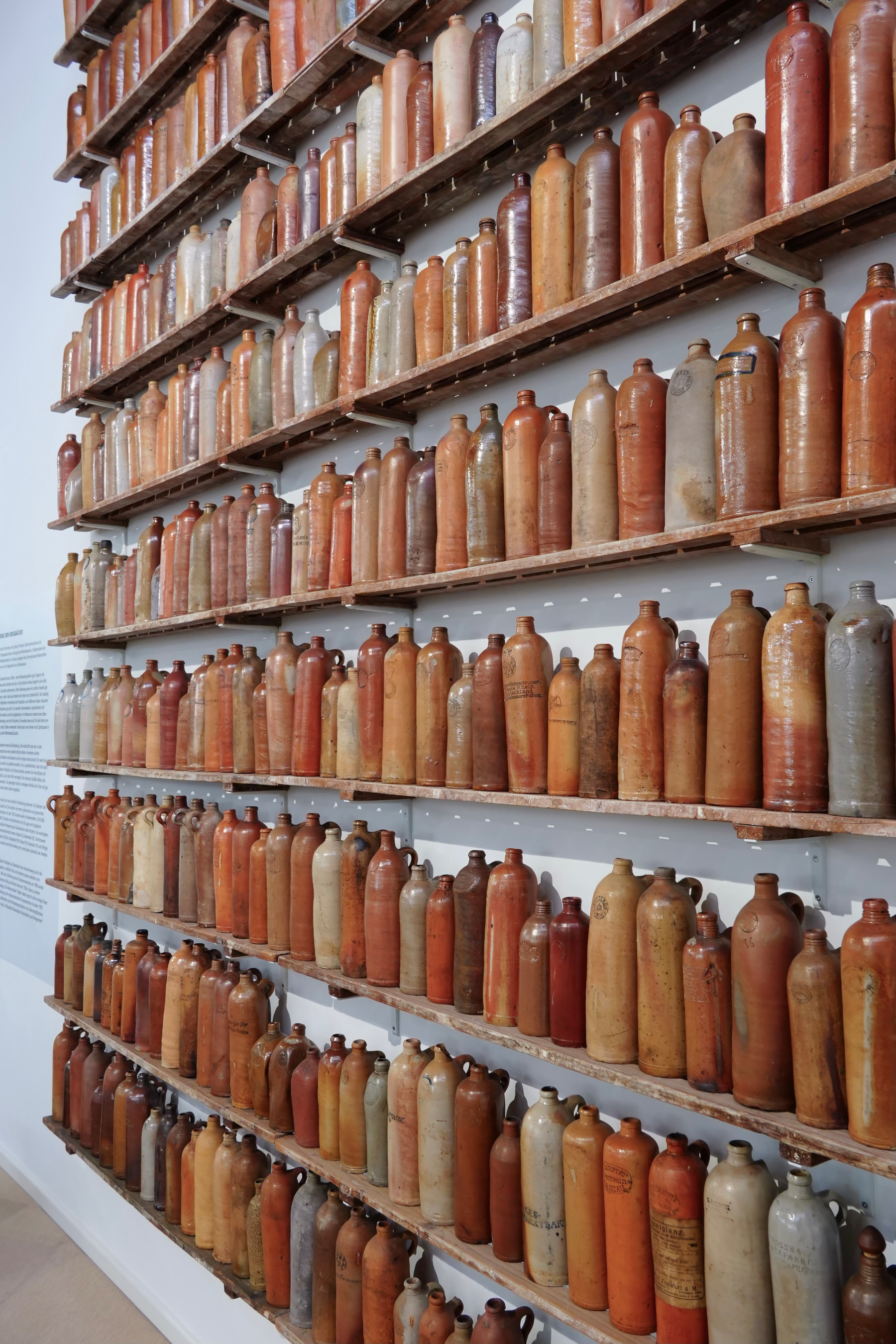
Rhenish Stoneware 2

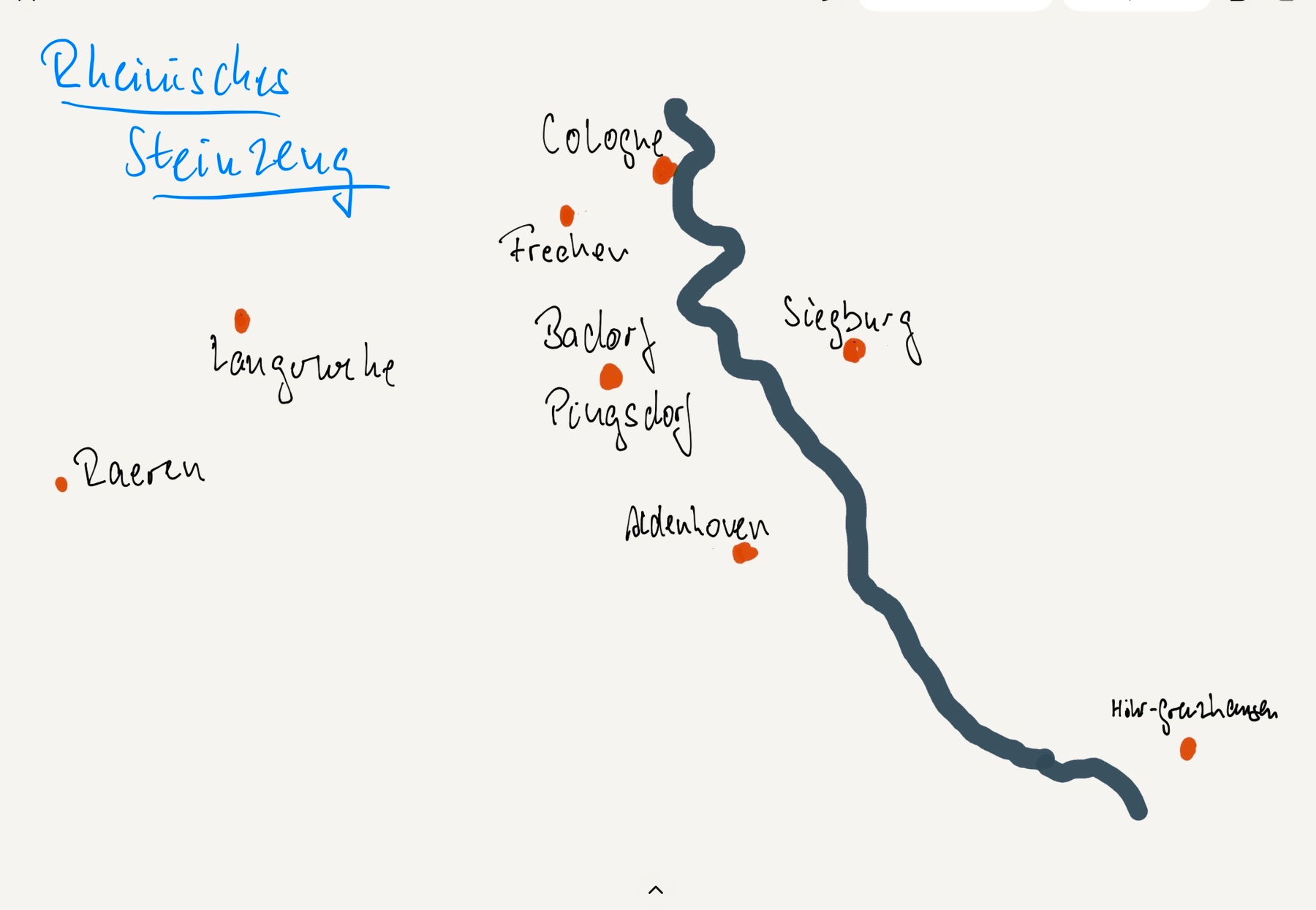
Yesterday I visited the Stadtmuseum Siegburg to pick up on the exploration of Rhenish Stoneware, one of the successful trading goods of medieval Cologne, as previously mentioned here.

Because I wasn’t awfully keen on a 80 km plus bike ride in the winter with snow on the forecast we went by car and also cleared some errands on the way to and from Siegburg.

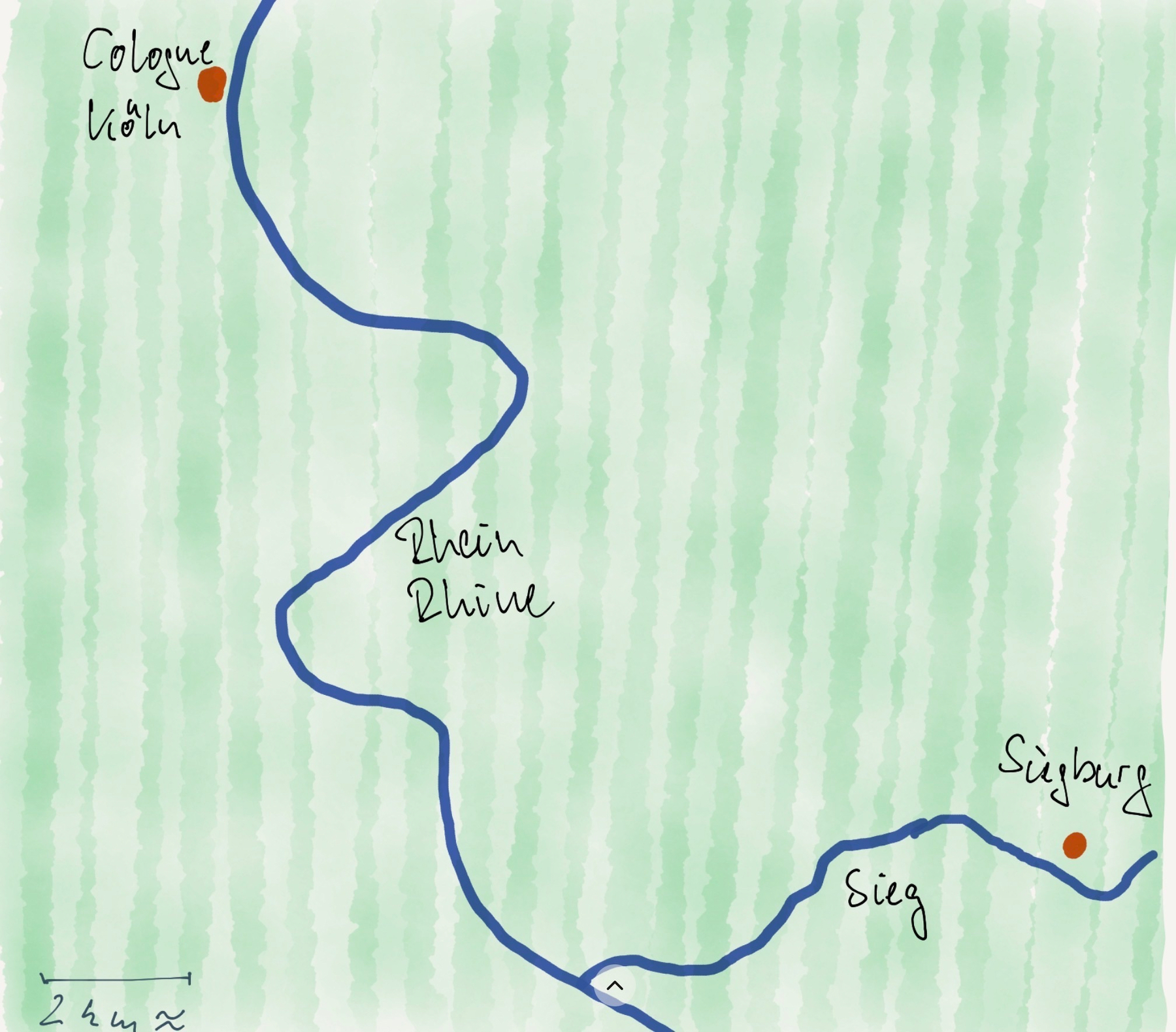
A simple, hand-drawn map illustrates the Rhine River with marked locations: Cologne and Siegburg and the Rivers Rhine and Sieg

For background on Siegburgs history, here is Wikipedia on the city.

Unfortunately photographing was not allowed, so only two pictures.

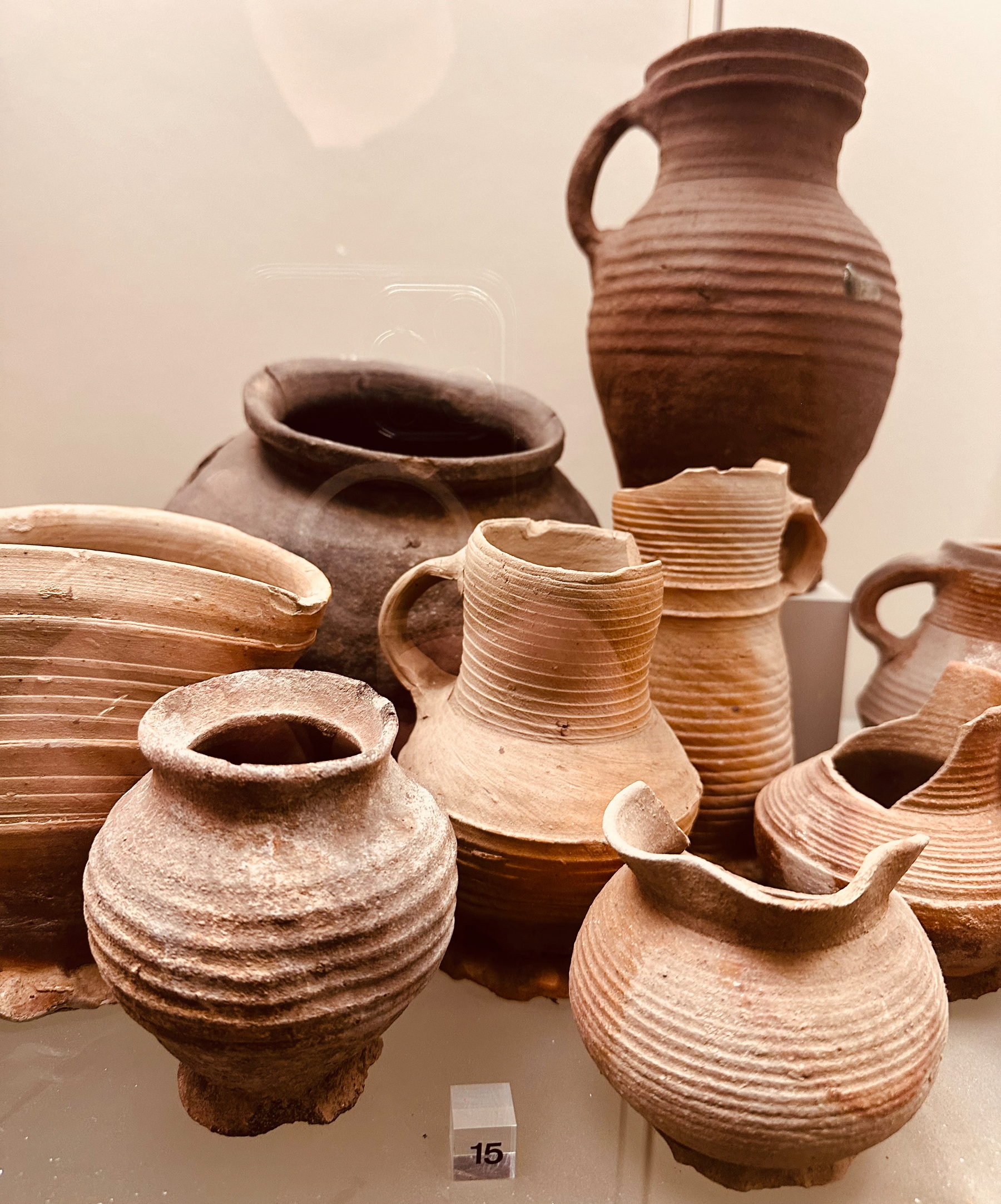
A collection of various ancient clay pottery pieces, including jugs and pots, is displayed. Found at Aulgasse, excavated 1962

More information on Siegburger Steinzeug, German only, Wikipedia. Siegburg produced two qualities of stoneware, one for domestic consumption and traded all over the surrounding area and the Bergische Land, Wikipedia. And then there was the “good stuff” which was traded from Cologne. Cologne traders came per boat up the Rhine and the Sieg to Siegburg to collect the stoneware, also Siegburg traders brought it to the market in Cologne. From there it went all over the Baltics, Scandinavia, Netherlands and England.

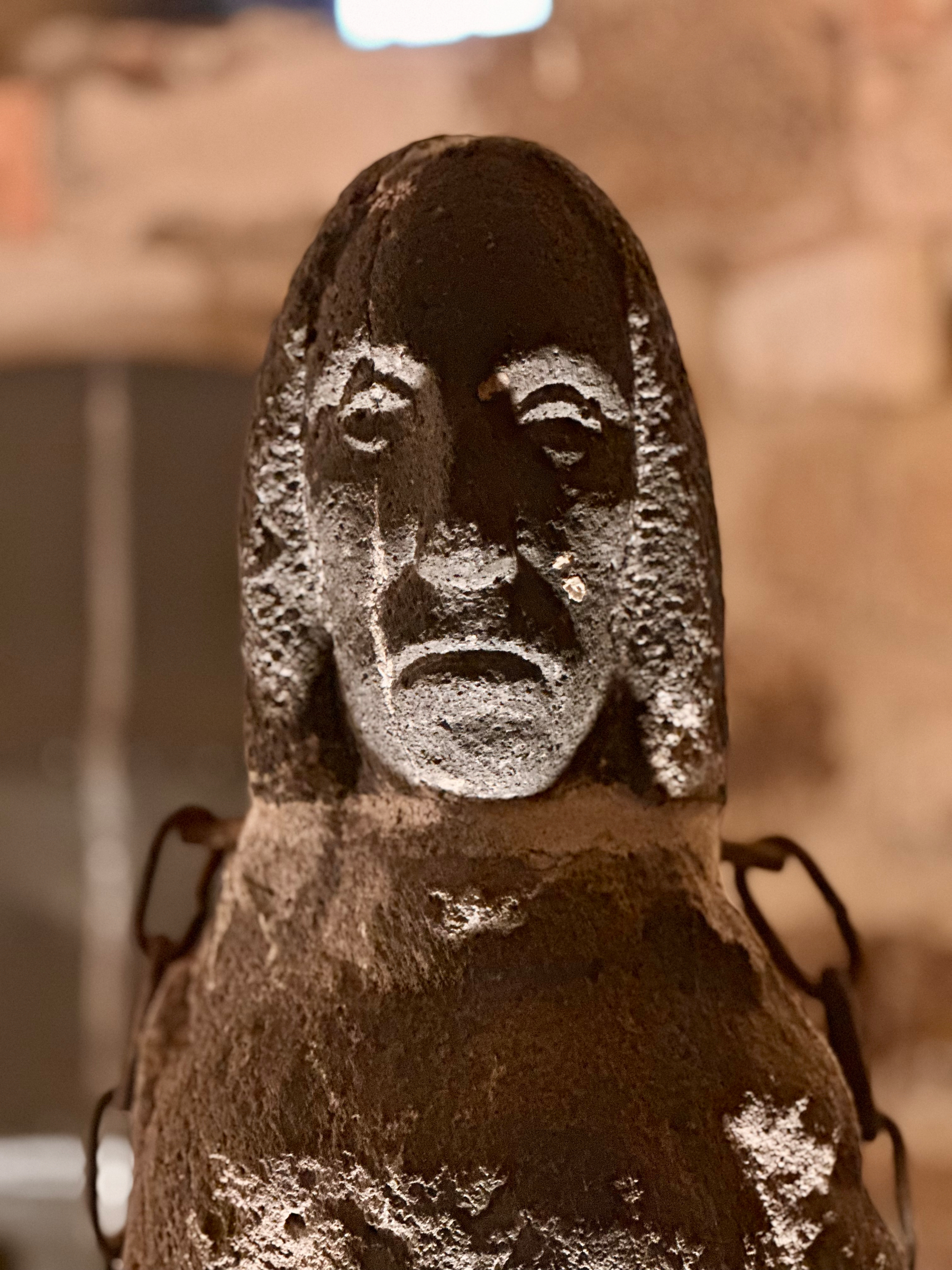
And now for some gruesomeness, the top of Siegburgs pillory:

Stone sculpture of a solemn face, illuminated with dramatic lighting, is the top of the medieval city pillory.

‘Neujahrsvorsatz’ #FotoVorschlag

A hand-drawn map labeled Rheinisches Steinzeug features the Rhine various cities like Cologne and Siegburg, and dots marking locations such as Raeren, Frechen, and Höhr-Grenzhausen.

Nächste Tour Siegburg, muss nur etwas wärmer werden.

#photography #fotografie #fahrrad

Dag Fotos 2025-11-18

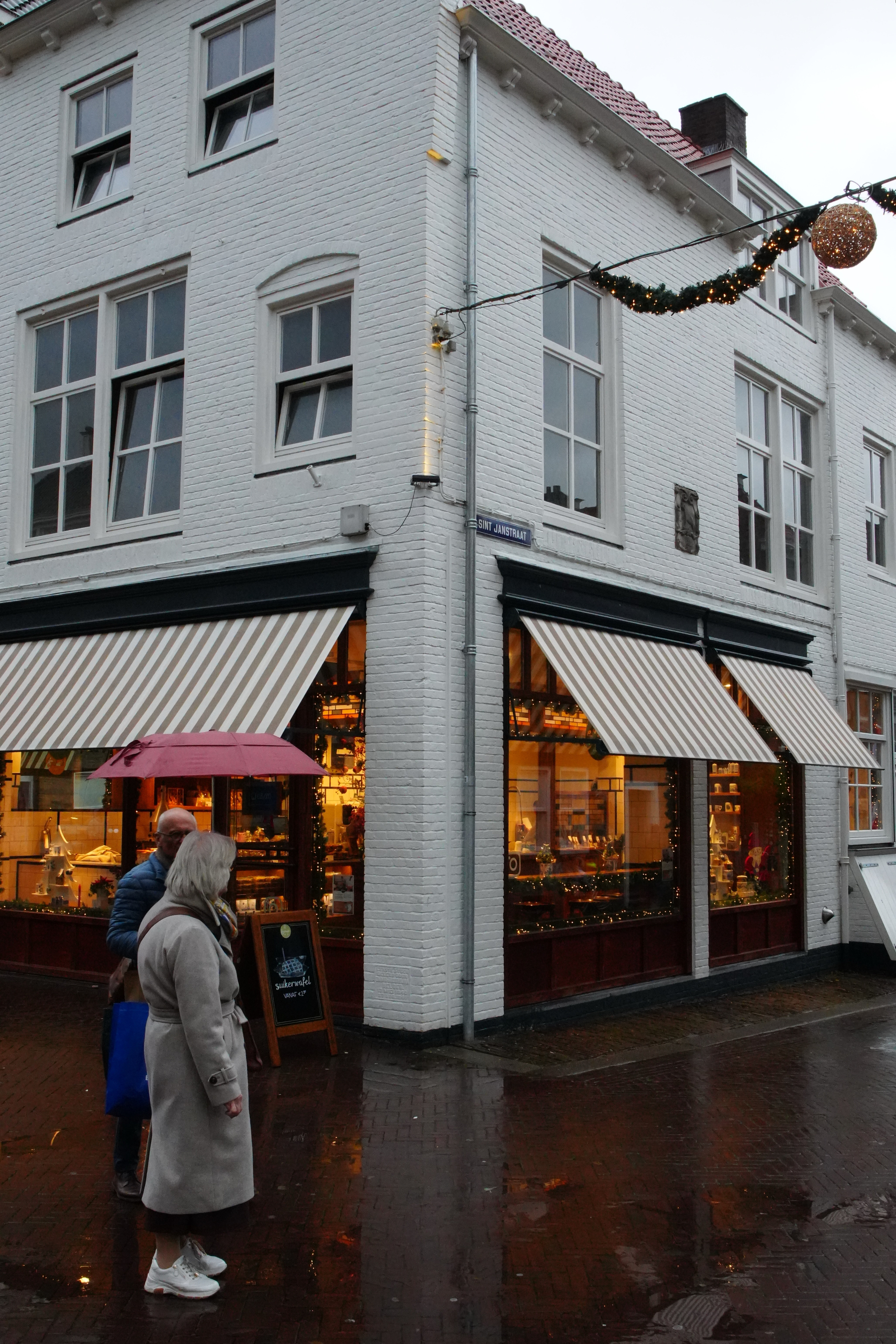
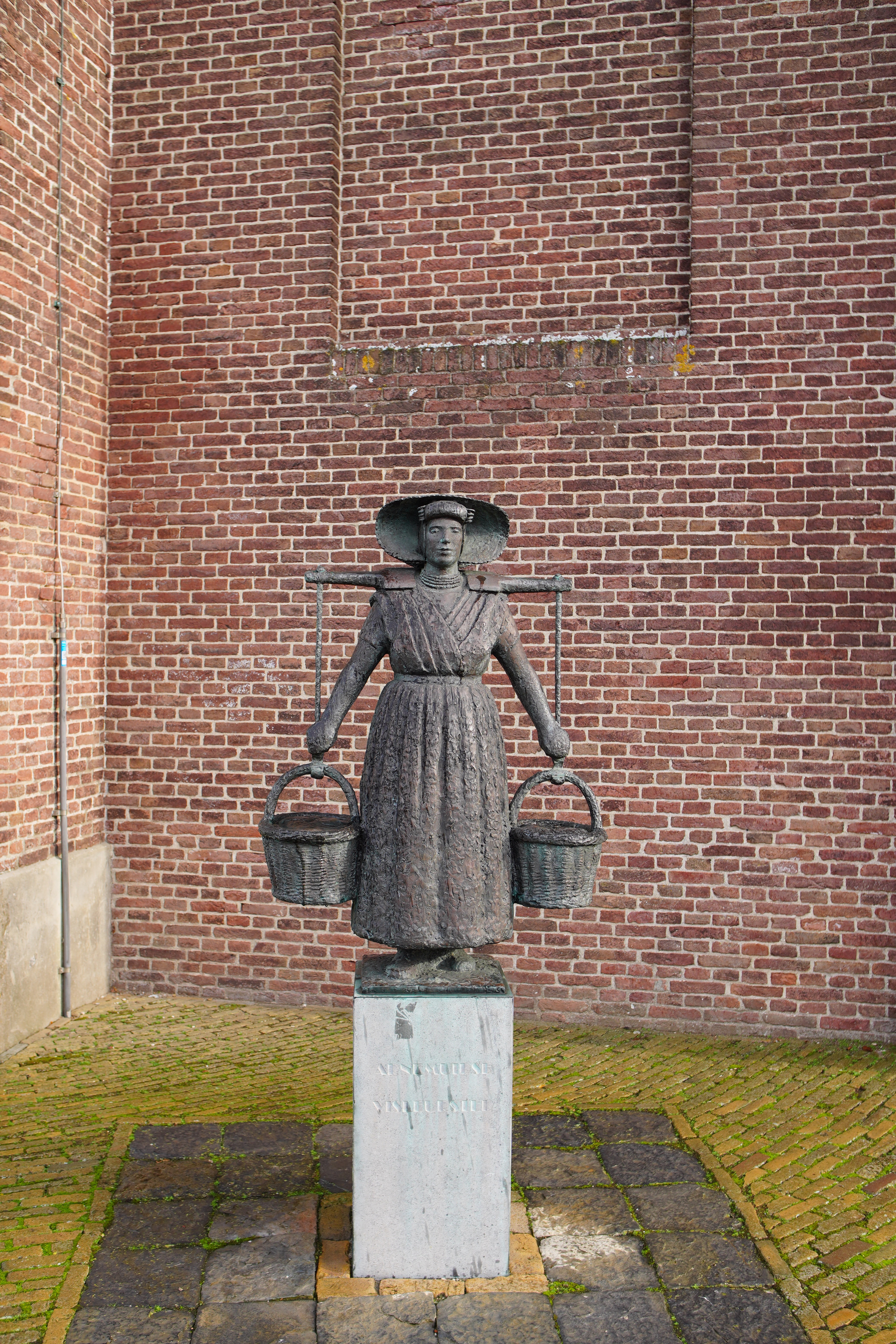
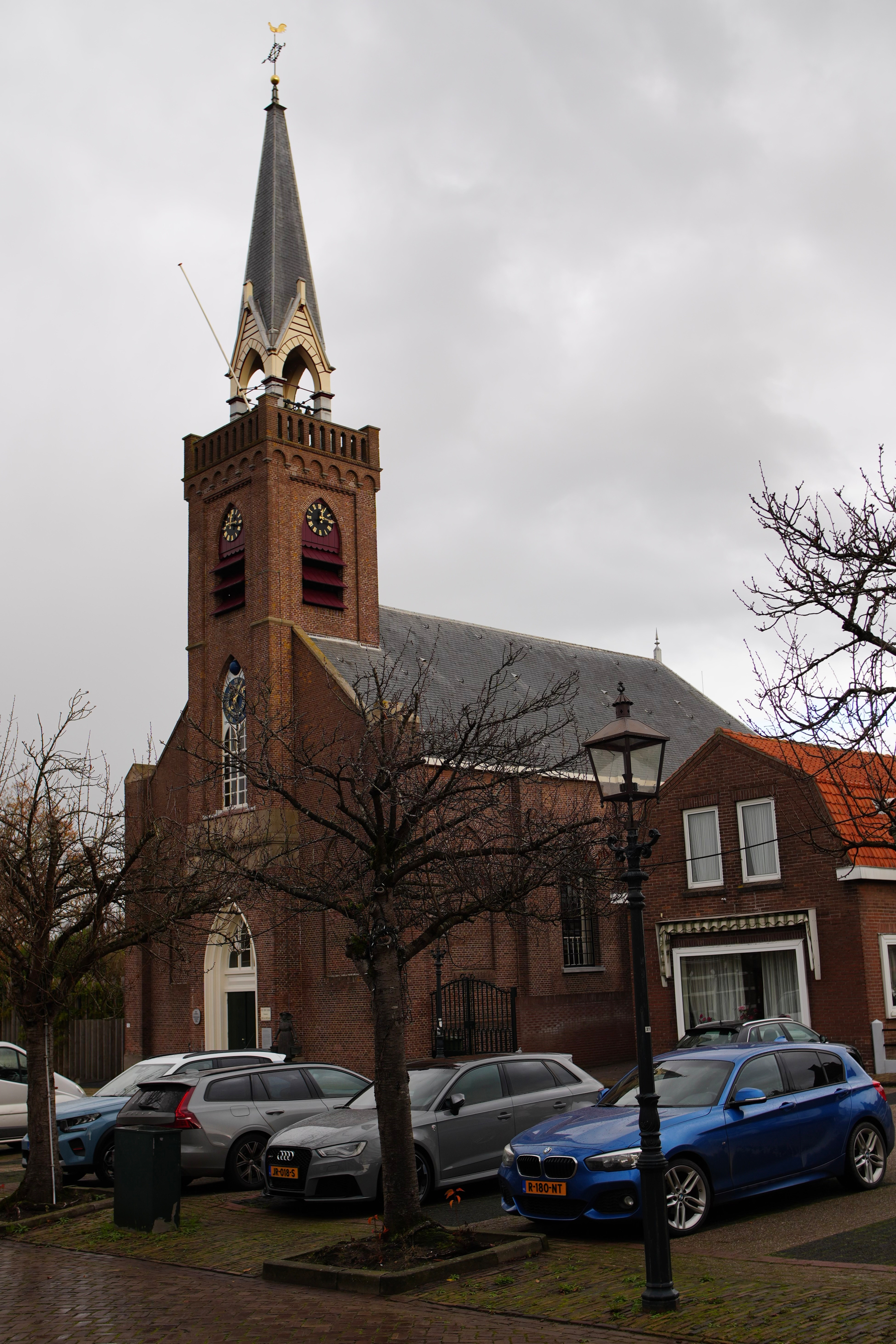
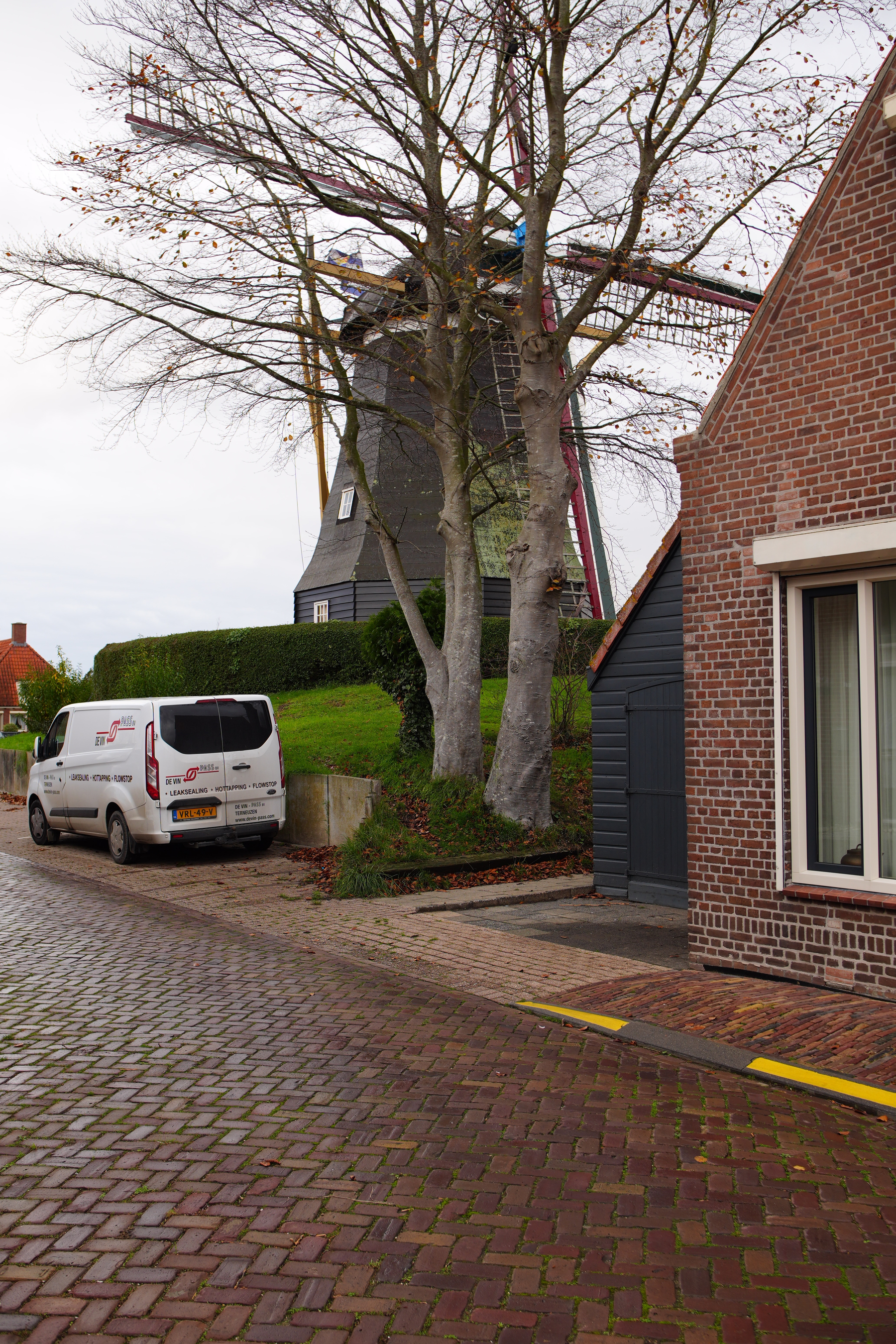
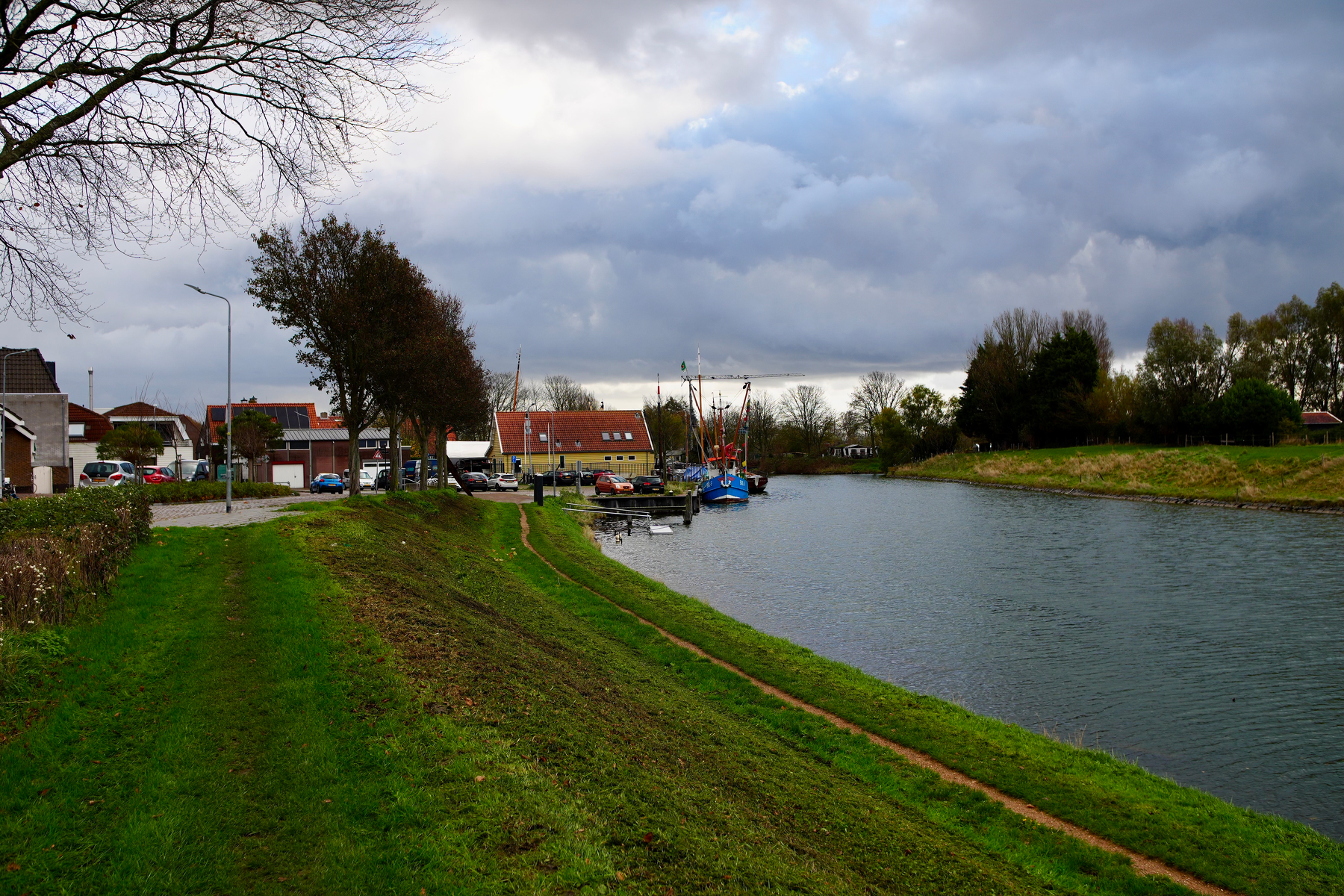
A rich and busy harbour and trading city in the 16th century, Arnemuiden

A statue of a woman carrying two buckets stands against a brick wall. A brick church with a tall steeple is surrounded by parked cars and bare trees on a cloudy day. A traditional windmill stands behind a brick building on a cobblestone street with a white van parked nearby. A peaceful riverside scene features a grassy path, moored boats, and overcast skies with houses in the background.

#Arnemuiden #photo #foto

Dag Fotos 2025-11-17

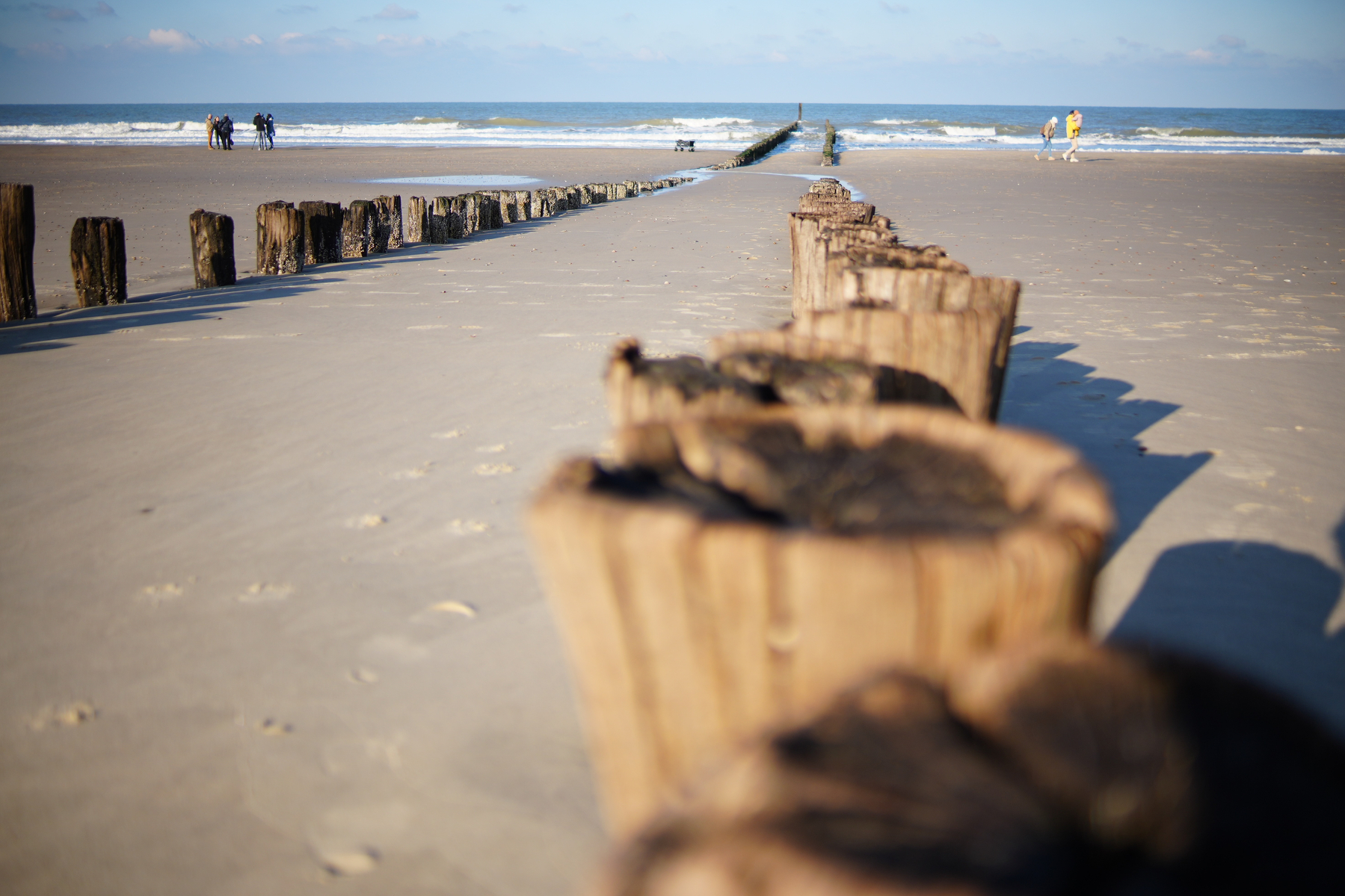
Auto-generated description: Waves crash against rows of weathered wooden posts on a sandy beach. Auto-generated description: Foamy waves crash against wooden posts jutting out from the sandy shore into the sea. Auto-generated description: Foamy waves wash onto a sandy beach. Auto-generated description: A vast ocean extends to the horizon under a partly cloudy, blue sky.

Suddenly the sun came out

#Domburg #photo #foto