Location: Westkapelle
Height: 5,1
Coordinates: 51,53 - 3,44
Weather: 13°C and cloudy #checkin

Location: Domburg
Height: 15,7
Coordinates: 51,56 - 3,49
Weather: 14 °C and drizzle #checkin

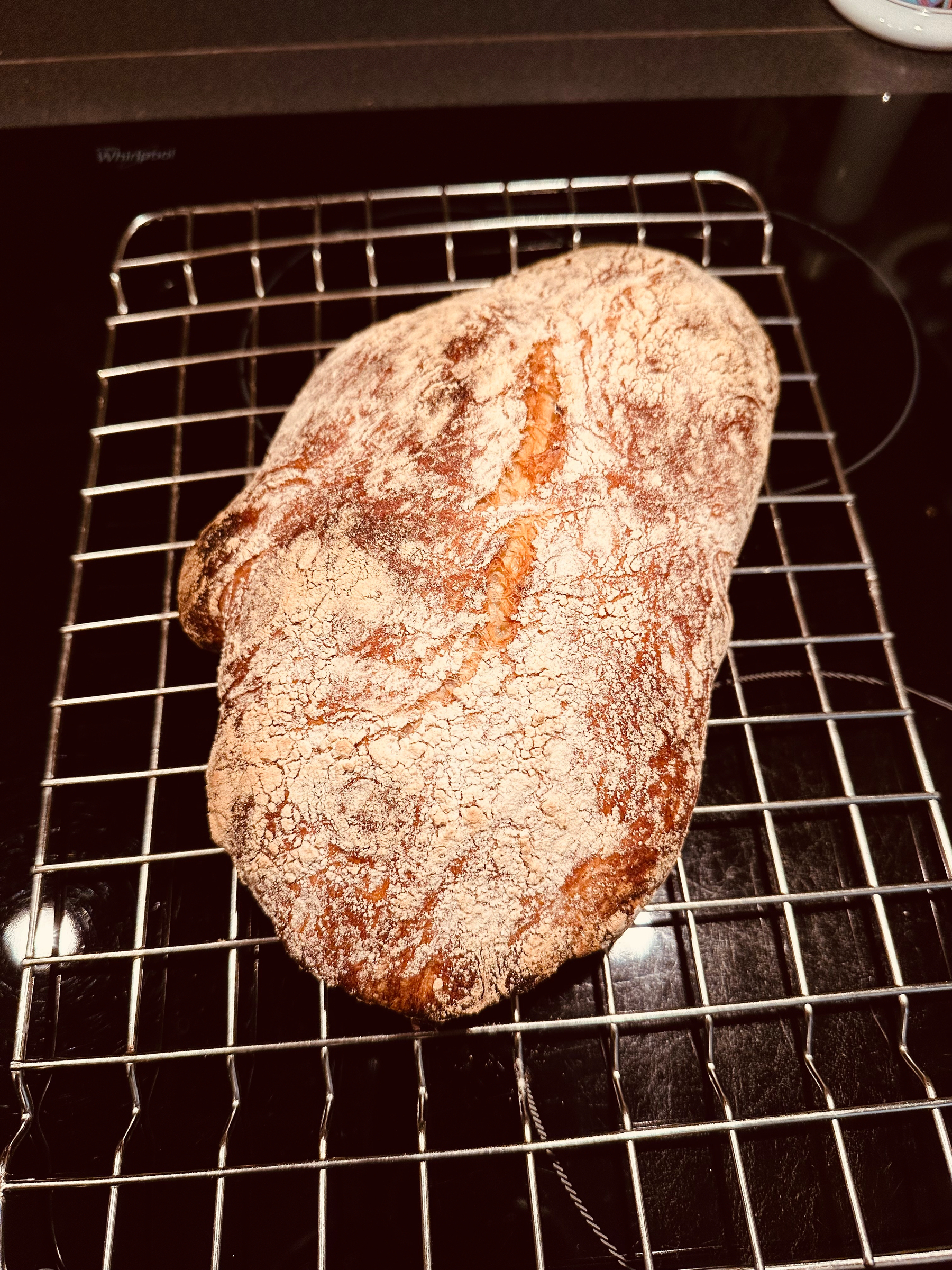
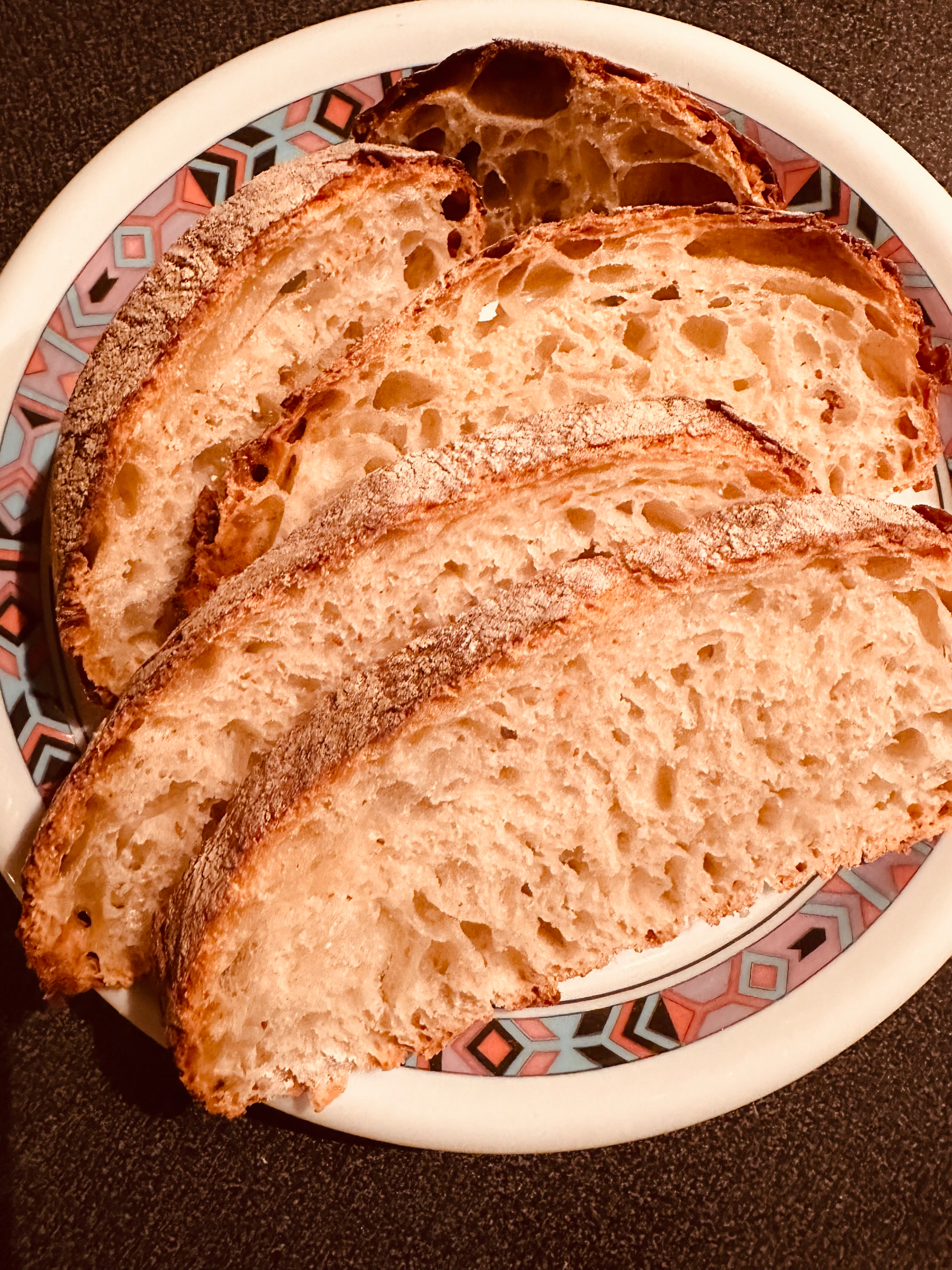
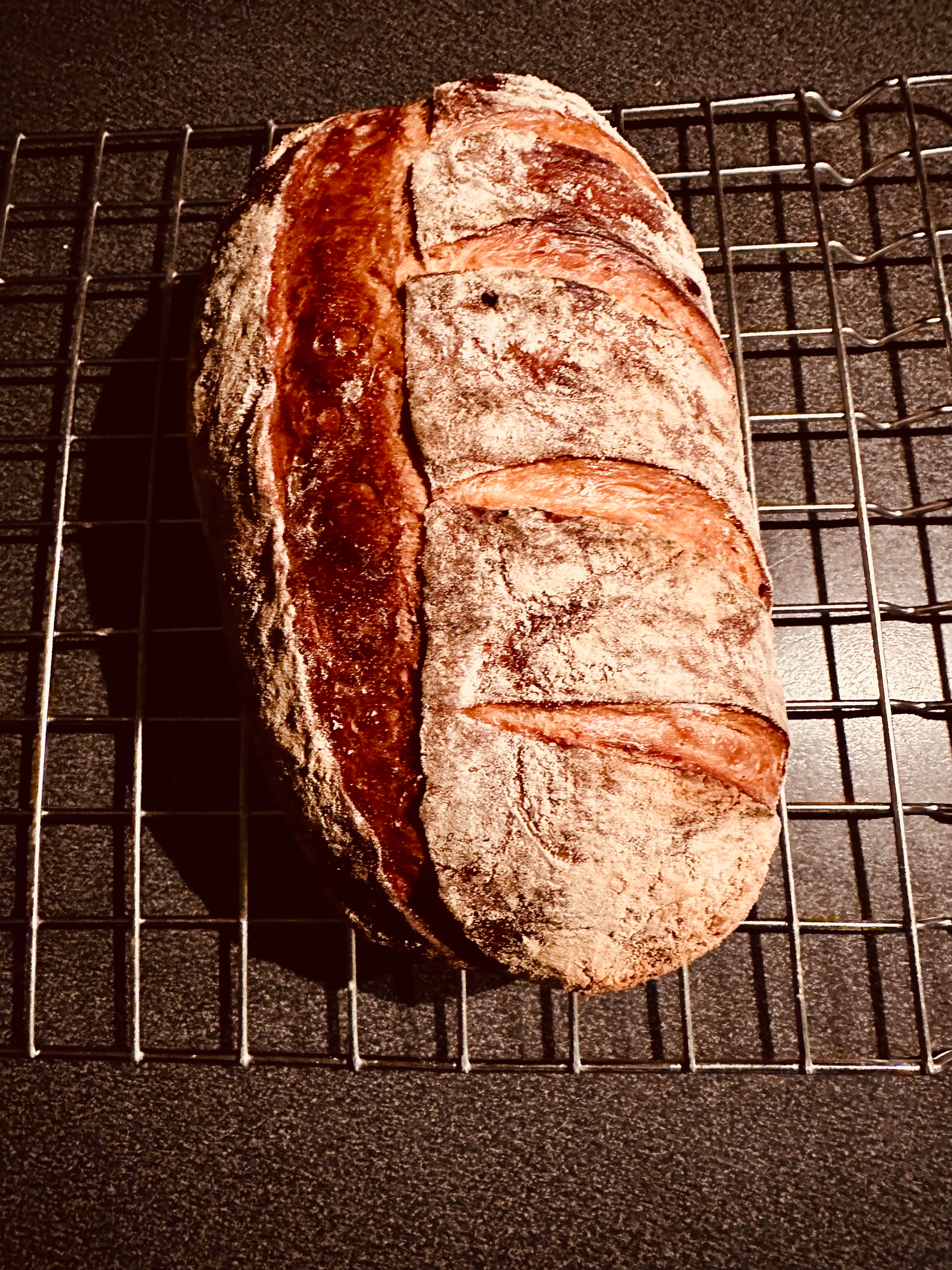
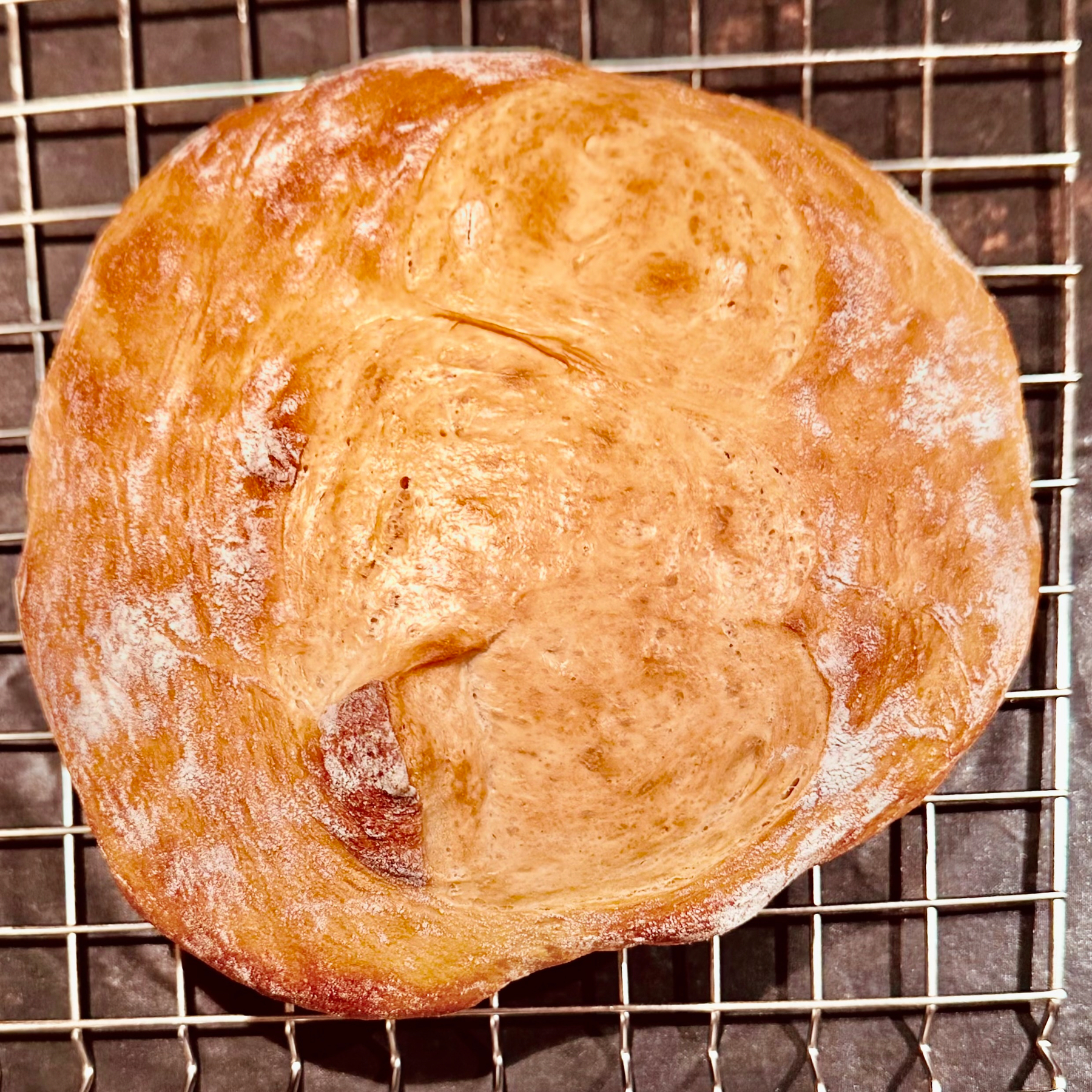
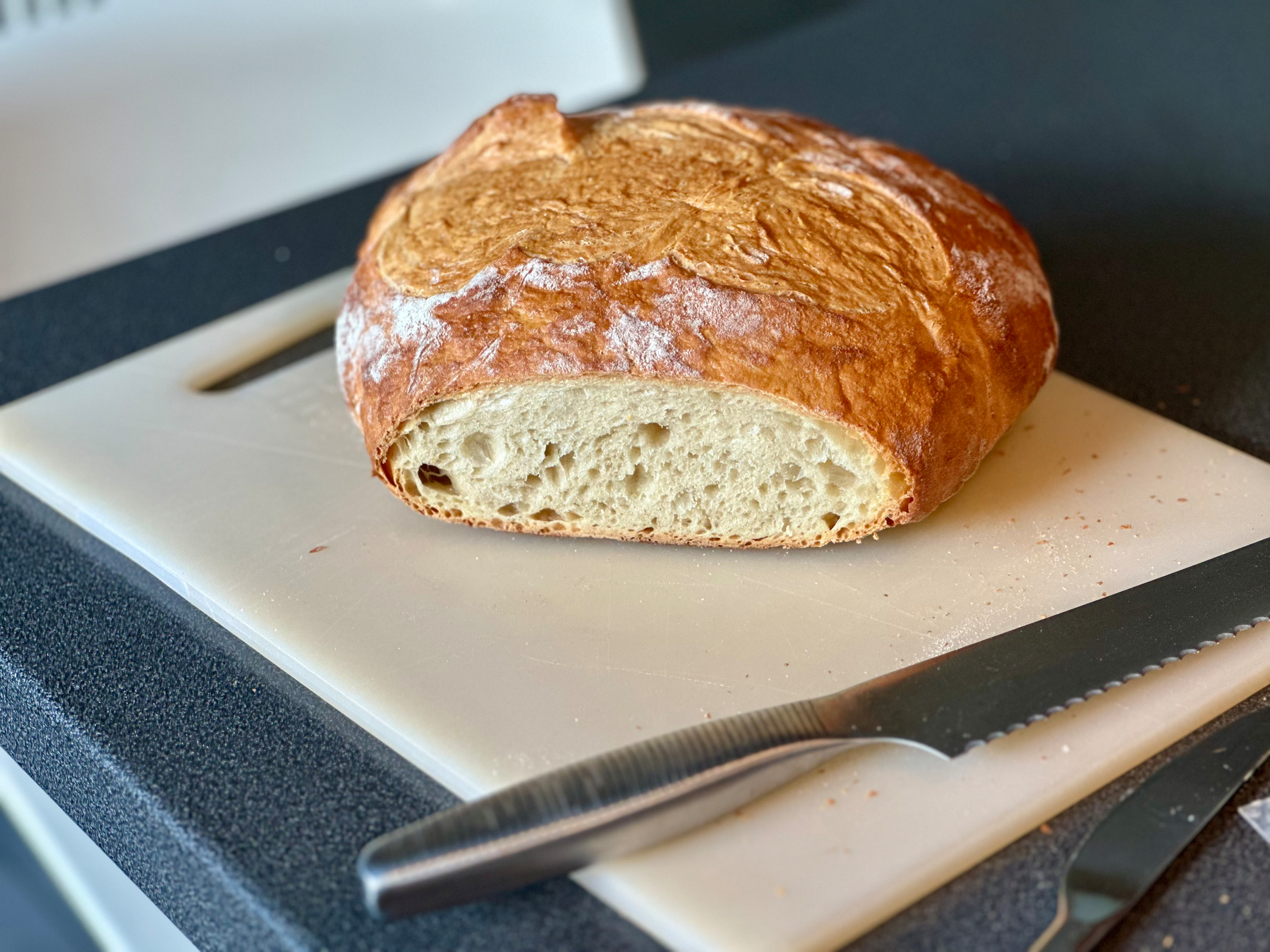
Apple Bergkäse Focaccia

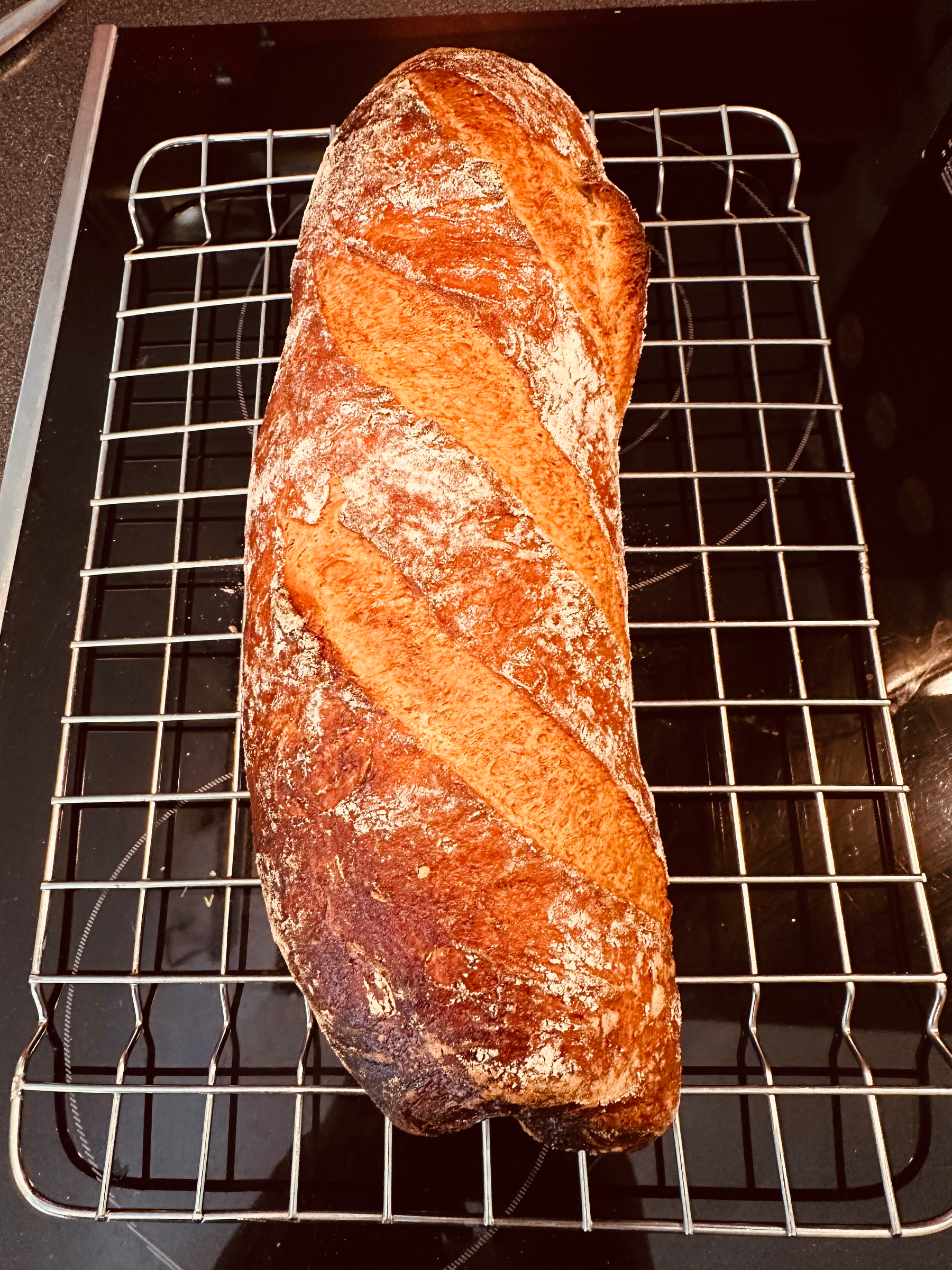
A freshly baked focaccia topped with cheese and small chunks of apple rests on a cooling rack.

Bergkäse

#bread #brot #baking #backen #sourdough #sauerteig #focaccia #teamsauerteig #brotbacken

Slowly getting there

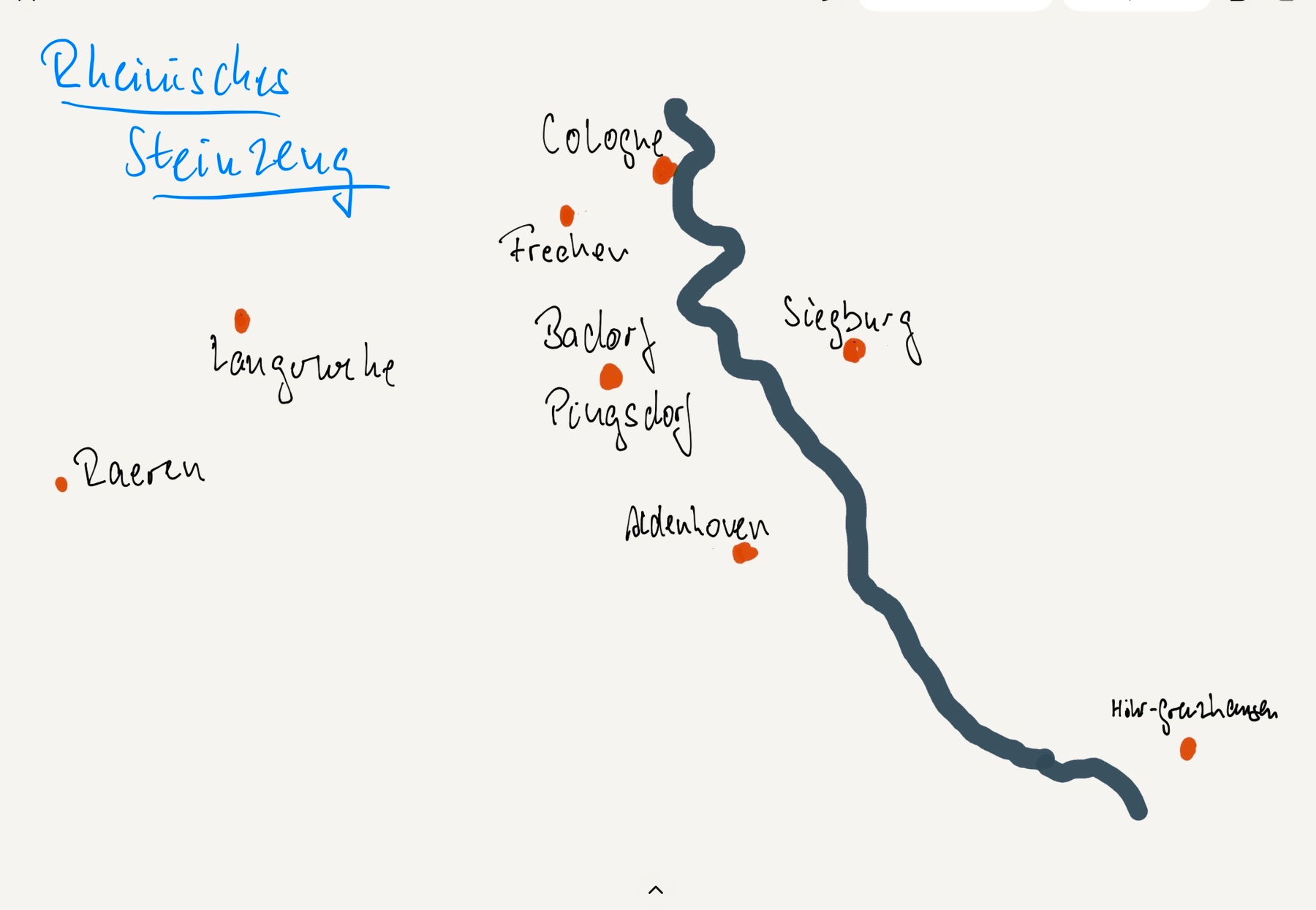
The first Cologne trading good I’m looking at is stoneware. It was produced in the wider area around Cologne from Raeren in Limburg down to Höhr-Grenzhausen in the Westerwald.

A hand-drawn map labeled Rheinisches Steinzeug features the Rhine various cities like Cologne and Siegburg, and dots marking locations such as Raeren, Frechen, and Höhr-Grenzhausen

The goods were traded from the Alter Markt in Cologne and went all over northern Europe and from The Netherlands and England to Africa, Indonesia, America (North and South) and to Australia.

Steinzeug

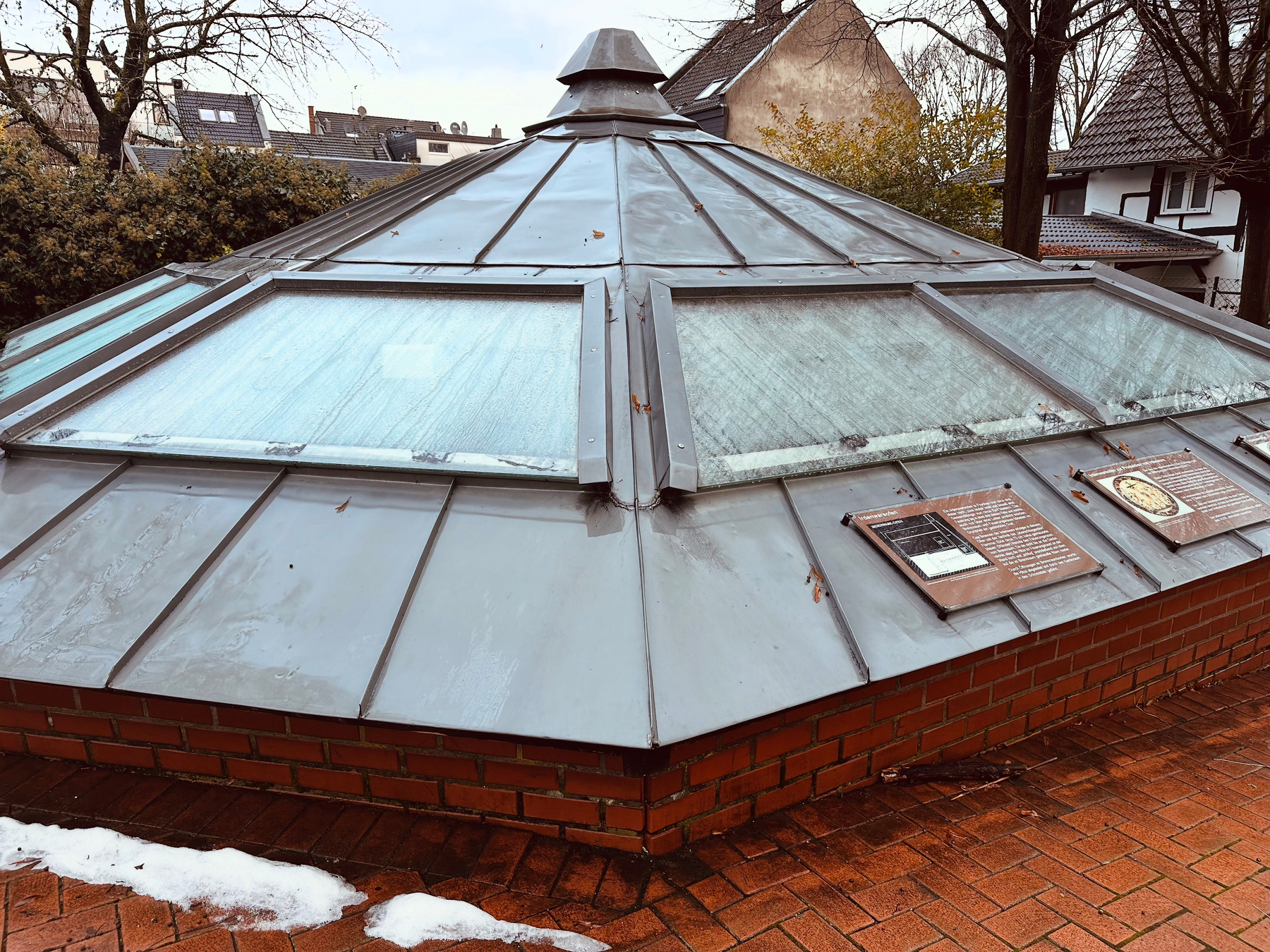
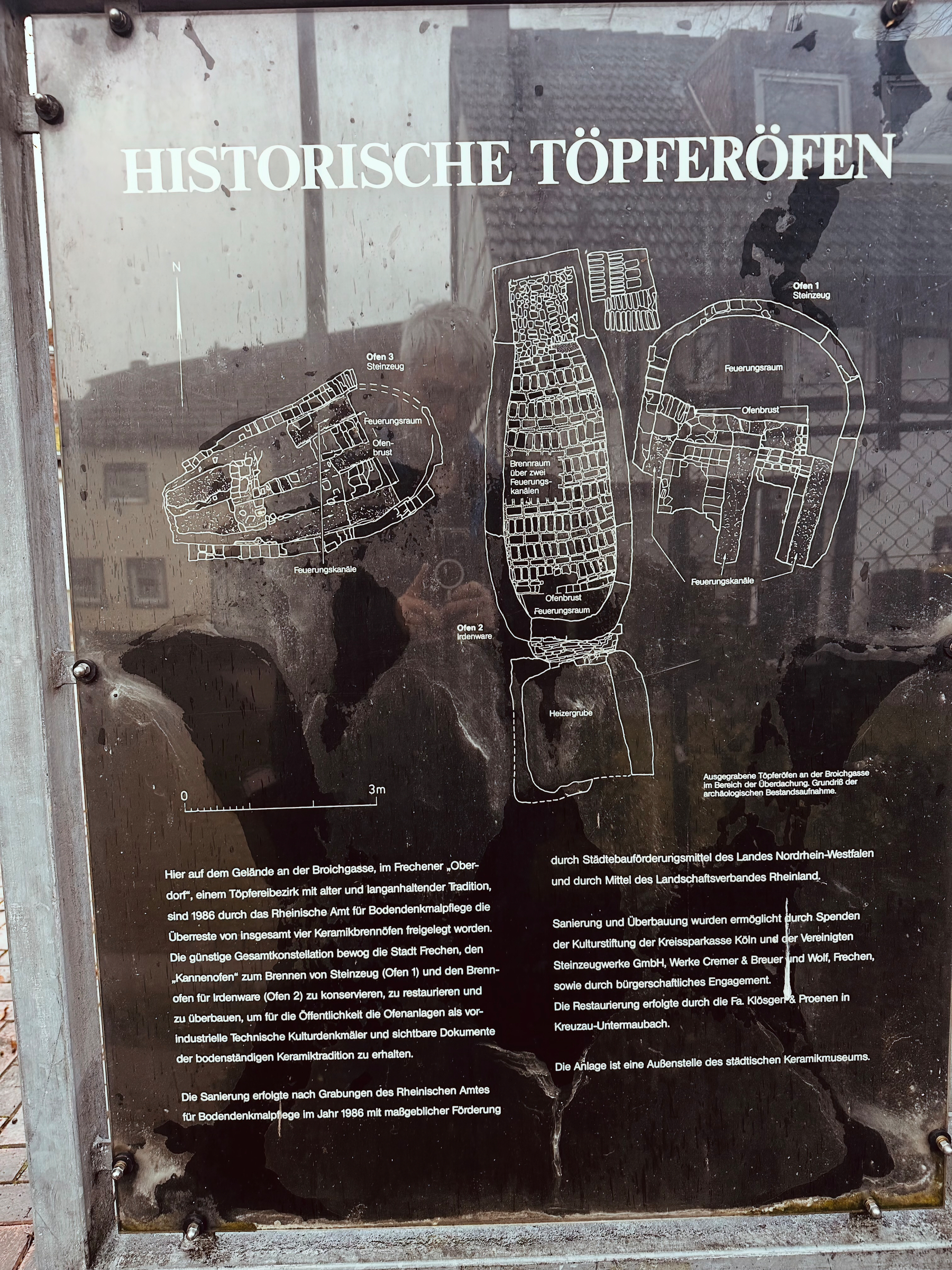
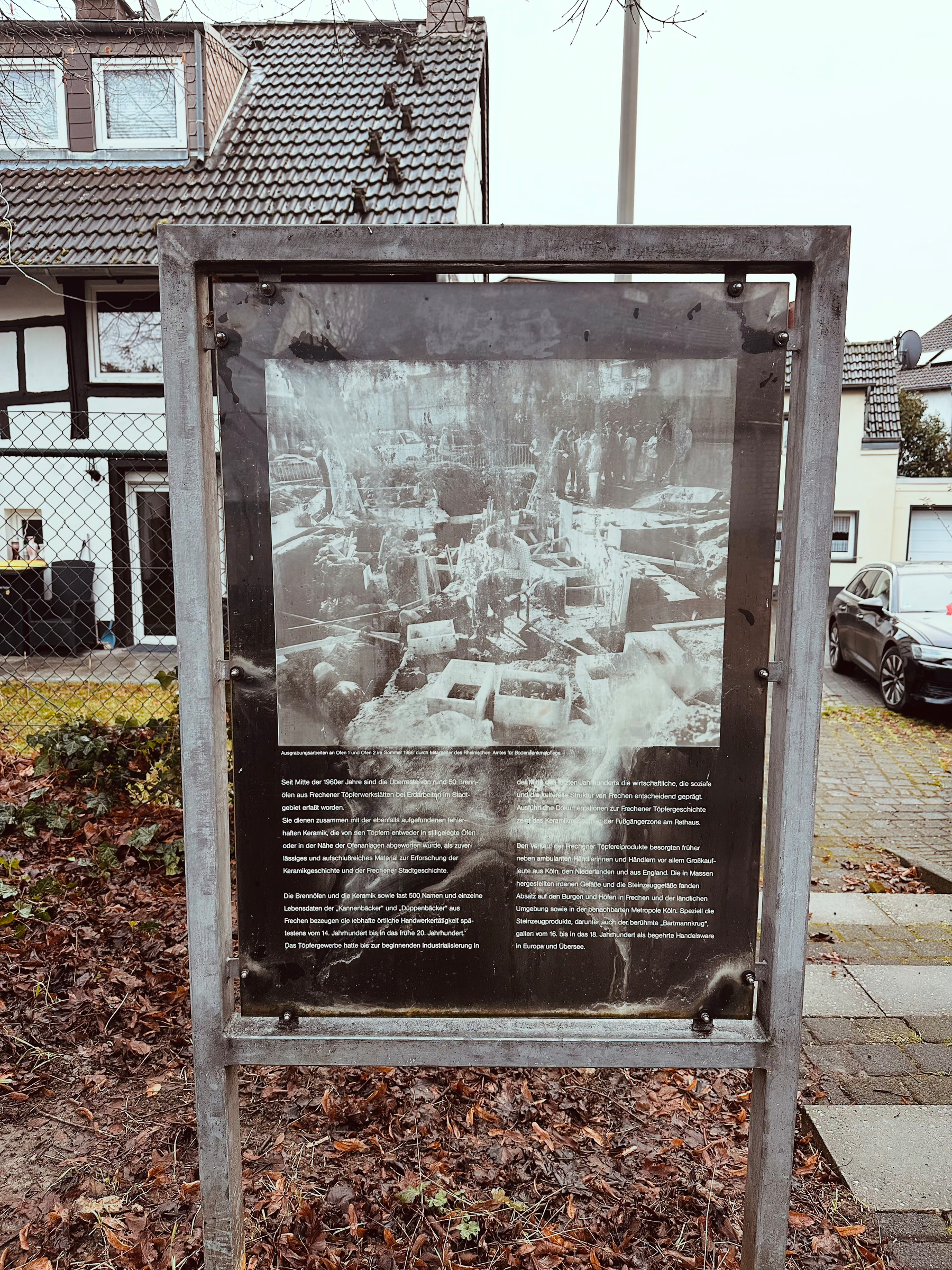
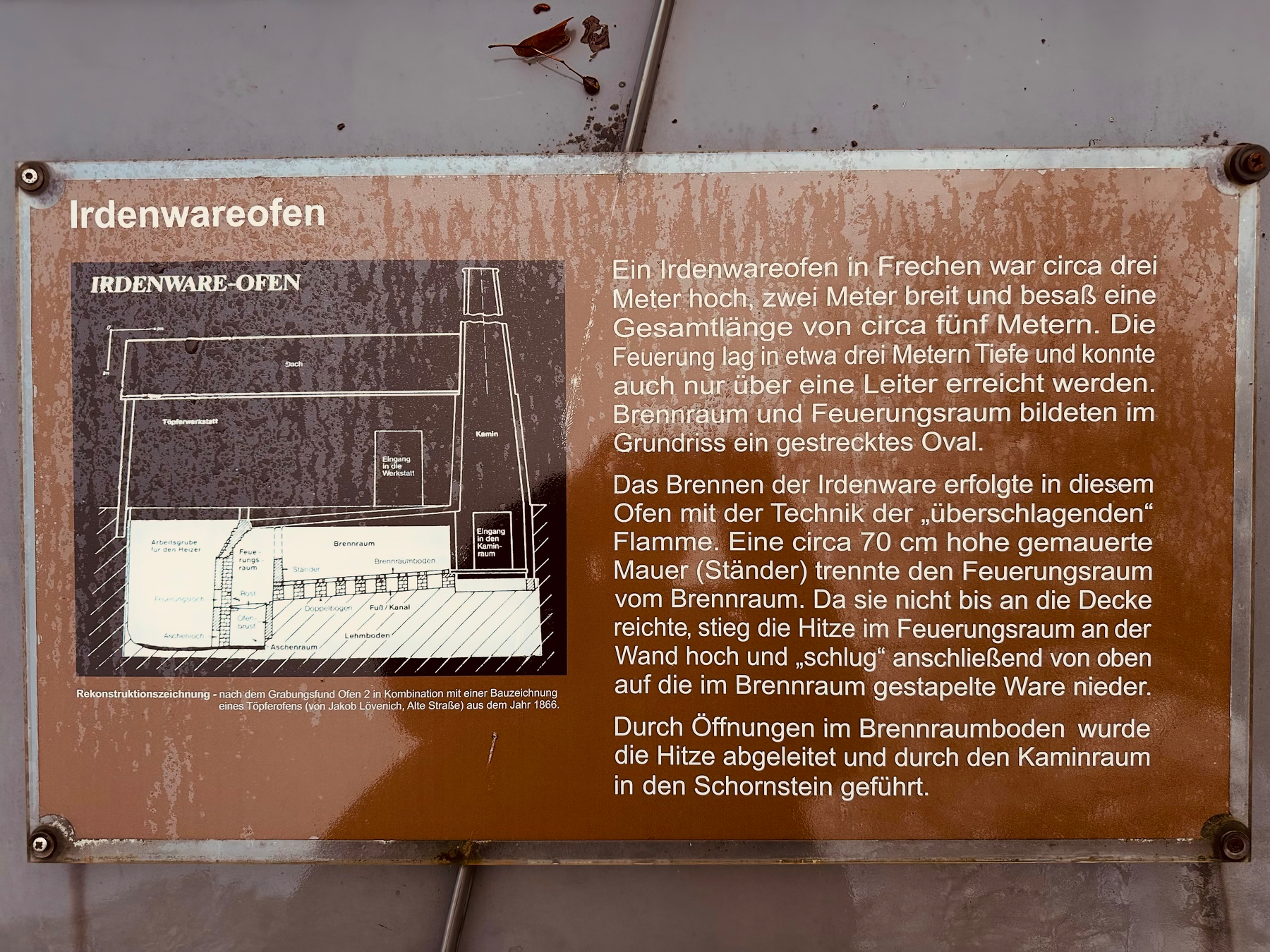
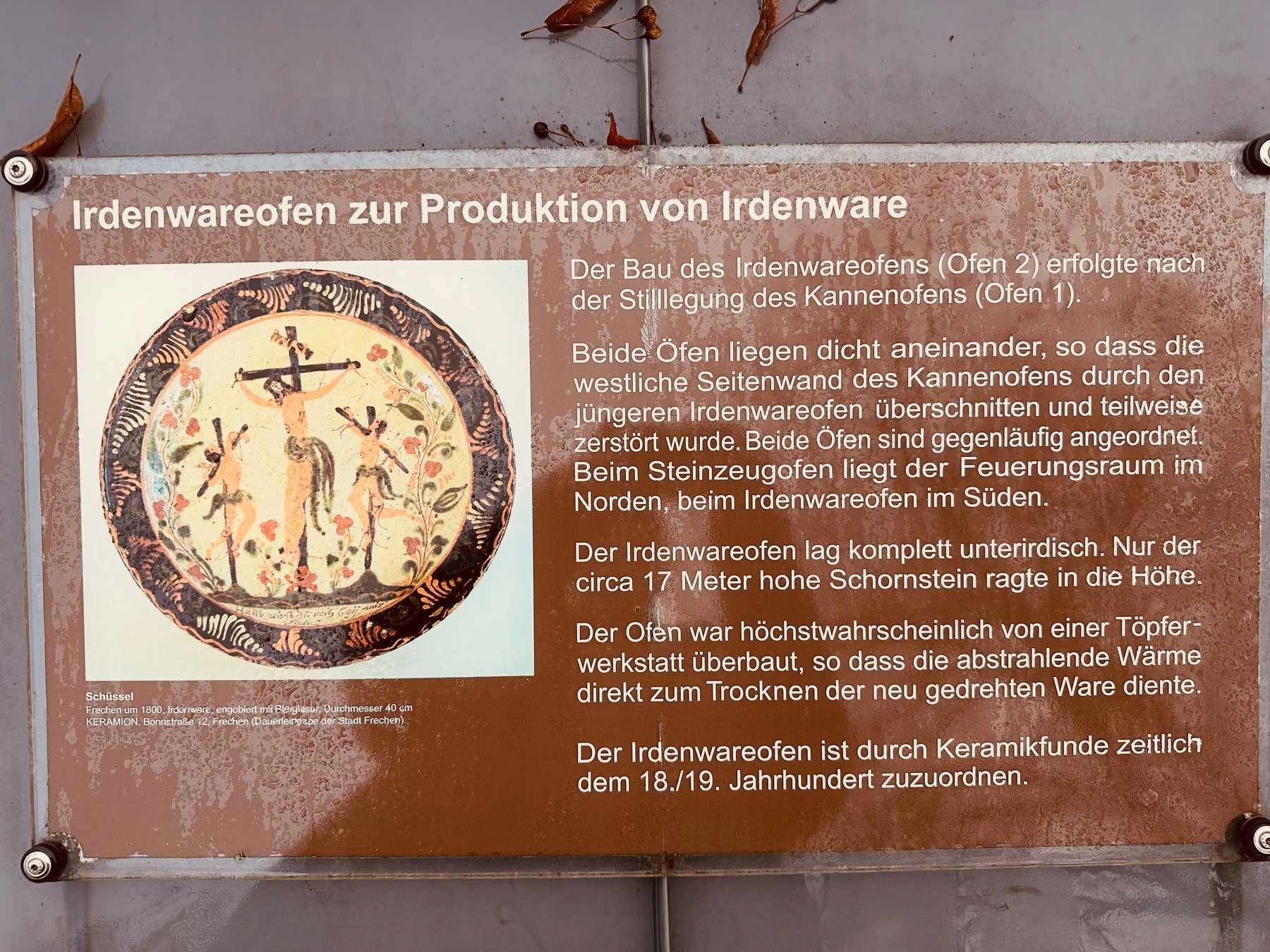
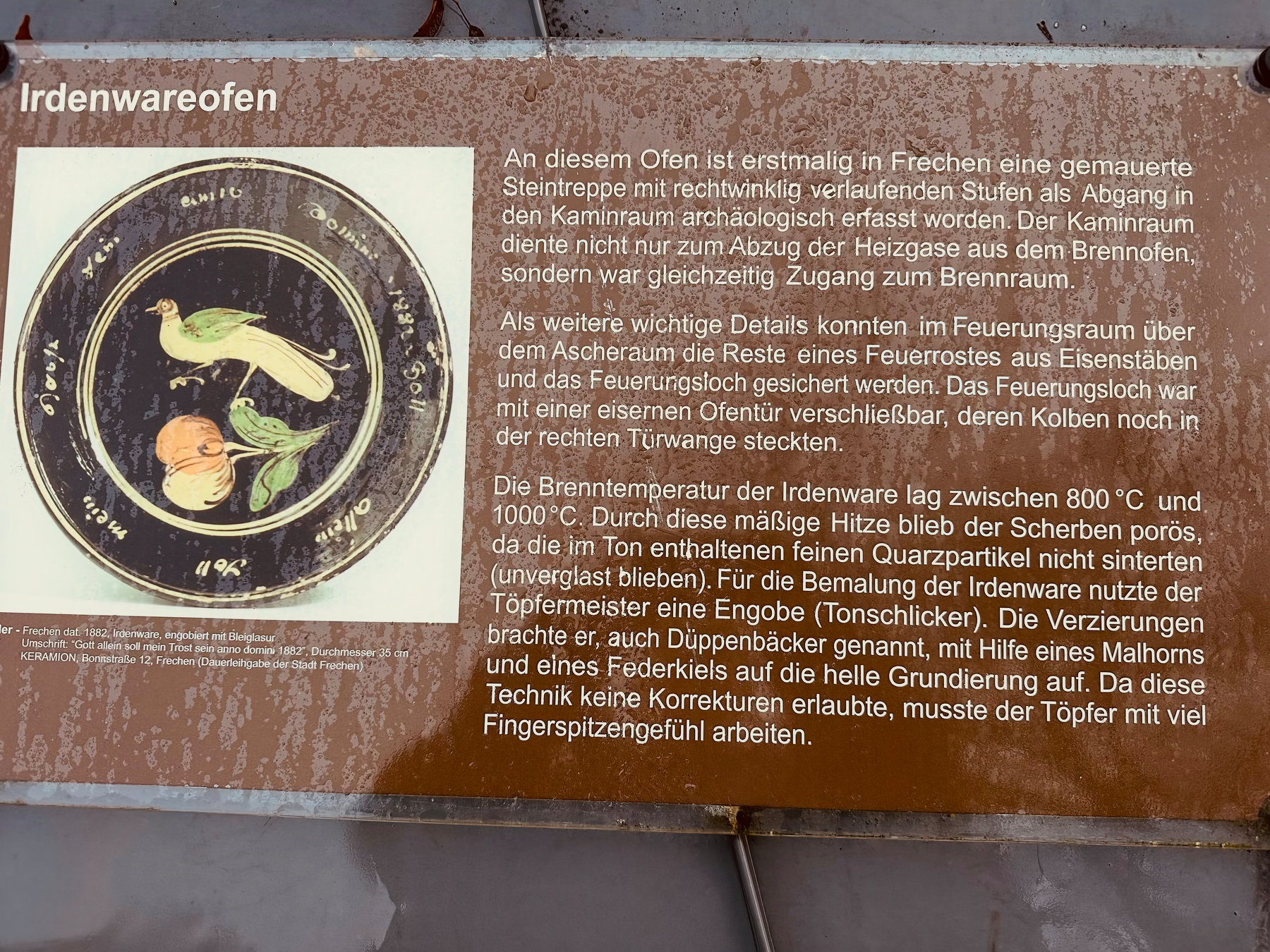
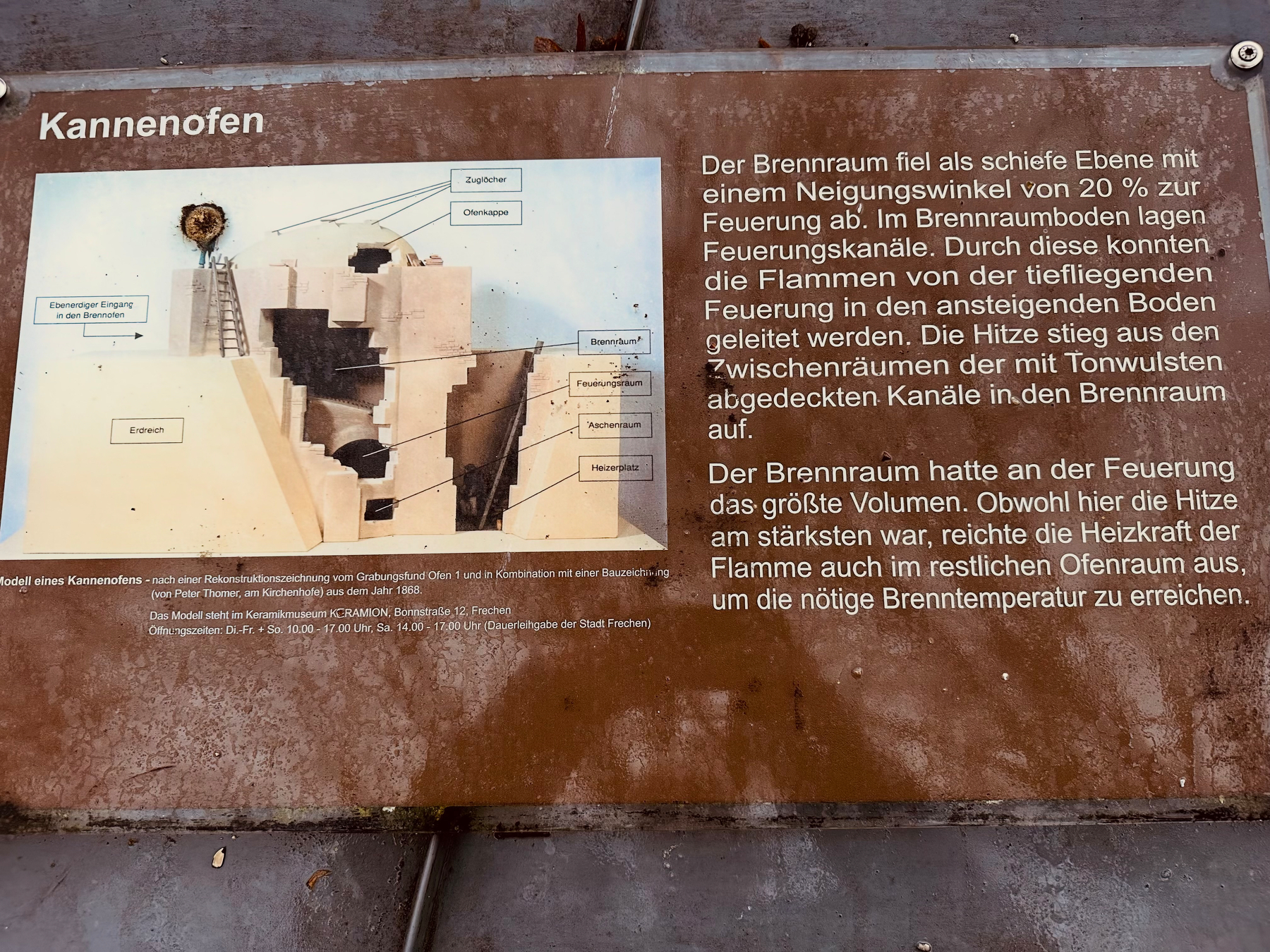
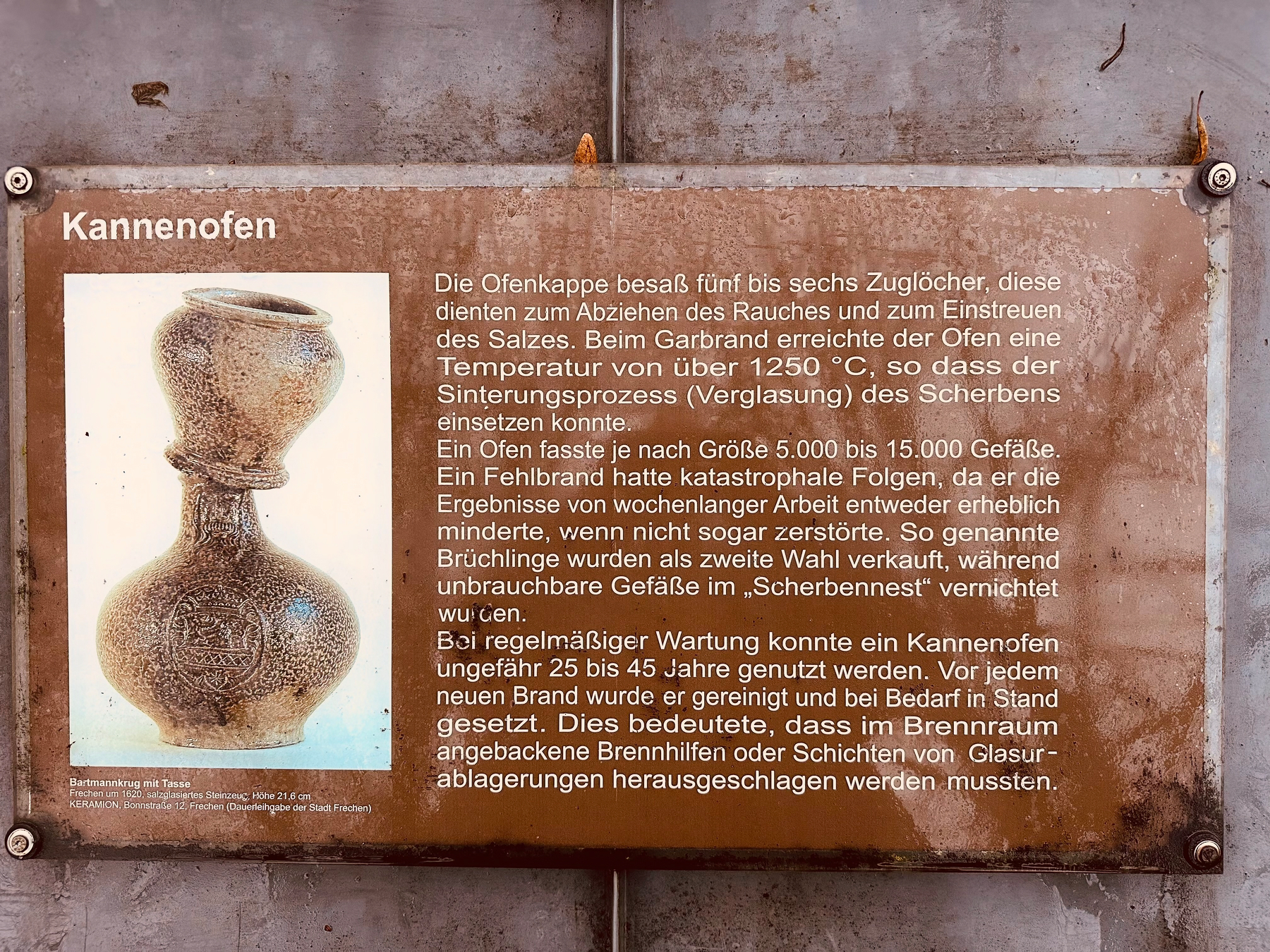
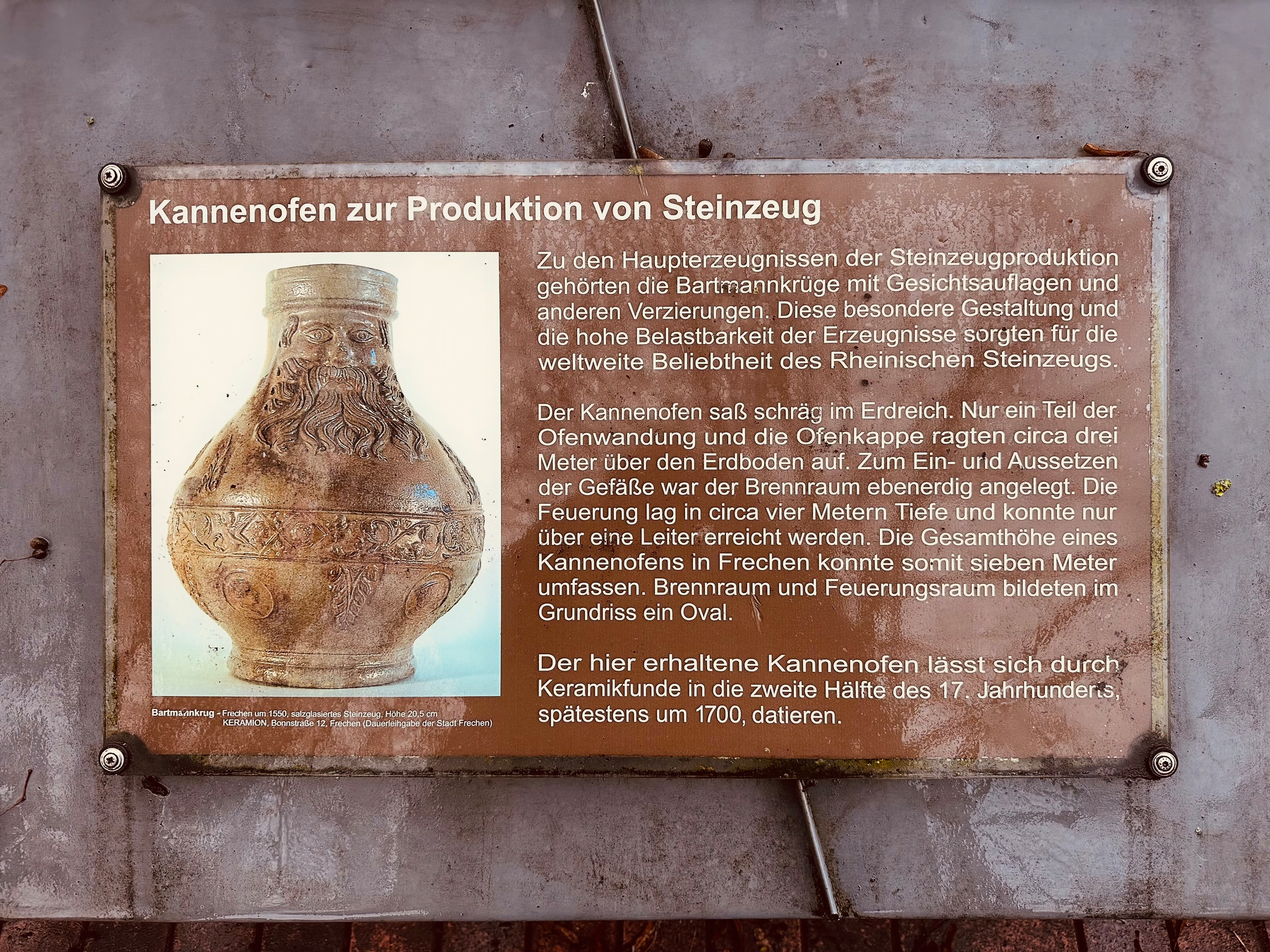
My first trip went to Frechen, though I have to go back as I managed to miss the kilns.

Stoneware from Frechen

A Bartmannskrug, a bearded ceramic jug, with intricate designs is displayed alongside other pottery on a glass shelf.

The next trip will then probably go to Siegburg.

#retirement #history #cologne #cycling #photography

Today a trip to the Kölner Flora

Auto-generated description: A formal garden features a series of planters with flowers and tall grasses leading to a grand building with large arched windows and flags. Auto-generated description: A large, vibrant green leaf with some brown spots is illuminated by sunlight, surrounded by other leaves near a body of water. Auto-generated description: A bee is perched on a pink cosmos flower amidst green foliage and other flowers. Auto-generated description: White flowers with yellow centers are surrounded by green leaves.

#köln #koeln #cologne #flora #photo #photography #foto #fotografie

Location: Siegburg
Height: 67,9
Coordinates: 50,8 - 7,21
Weather: 12 °C and mostly cloudless #checkin

Rheinisches Steinzeug

I did my first cycling trip to a source of a medieval trading good, traded in Cologne. This is part of my retirement keep active plan. Combine local history, cycling and photography.

Steinzeug or stoneware is a type of pottery that has been taken up to 1.300 C or more and has vitrified. Stoneware is impermeable to water and much tougher than normal pottery. Stoneware was first produced and traded from Cologne from the 14th century onwards.

Location Visit Remarks
Cologne - never with the focus on stoneware, there is of course the “Alter Markt” as the main market, and various places where historically it was produced
Frechen yes went to the Keramion, need to come back to look for the places the stoneware was produced
Siegburg - never with the focus on stoneware, various places where historically stoneware was produced
Raeren - open
Langerwehe - open
Badorf, Pingsdorf - open, both near Brühl
Westerwald (Höhr-Grenzhausen) - open
Aldenhoven - open
Some impressions of the first trip, Frechen, I already shared on Mastodon, here is the top of the thread:
Post by [@Tho99@mendeddrum.org](https://micro.blog/Tho99@mendeddrum.org)
View on Mastodon

Basically I really liked the Keramion, especially some of the modern stuff, but they also have a good selection of historical pieces.

The second part of the trip was me following the Keramikweg. In theory this would have included some of the locations of historic kilns, amongst other things. Unfortunately I did not find the kilns, have to go back and do some better research before I go. The other things take the stoneware tradition of Frechen via construction and industrial stoneware to today. My wife used to work for a company that exported stoneware sewage pipes throughout Europe.

Total trip, 43 km

I am going to use the hashtag #HistoryCycle on Mastodon and Micro.blog for this whole endeavour going forward.

pictures

Link to a summary of pottery in Cologne

www.fabriziomusacchio.com/weekend_s…

#HistoryCycle #stoneware #cycling

Trading goods of medieval Cologne

As mentioned before, as part of my retirement I want to combine some local history with cycling trips and photography. See my latest update on all that.

Anyway, being somewhat methodical and also easily distracted, I choose to have a look at trading goods, where they came from and where they went. The idea being, if the from and to was close enough, I could go there by bicycle, and take photos. But, of course, there is no ready made list of trading goods (that I could find).

Therefore, back to being methodical. I started collating a list of goods and started with the so called Stapel Goods, basically any trader passing Cologne had to unload and offer their goods to Cologne traders for three days (thereby creating harbour, unloading, and inspection fees, tolls, not to forget, as the trader had to spent three days (and nights) food and lodging).

Here is the draft list of Stapel Goods

The columns:

Deutsch - the German term
English - yes, the translation
Road Name - Road/Place/Street name in medieval Cologne
Source - Where the goods came from
Destination - Where the goods went
Visit? - Future plans to visit a source/destination
Remarks - remarks

Anyway, while researching, I also found a category called Ventgüter These were goods that were not only unloaded, offered for sale and then loaded again, no, these goods were also, for a fee, unpacked, inspected, marked as inspected and repacked or destroyed if they did not pass.

  • This was good for Cologne because of opportunities, fees and reputation
  • Semi good for the trader, as they could get somewhat better prices for inspected goods
  • Goodish for customers, as they got quality goods but for a higher price

Here is a good German article from museen.koeln on all of this Erfolgreich gegen die Wirtschaftskrise: Mittelalterlicher Protektionismus