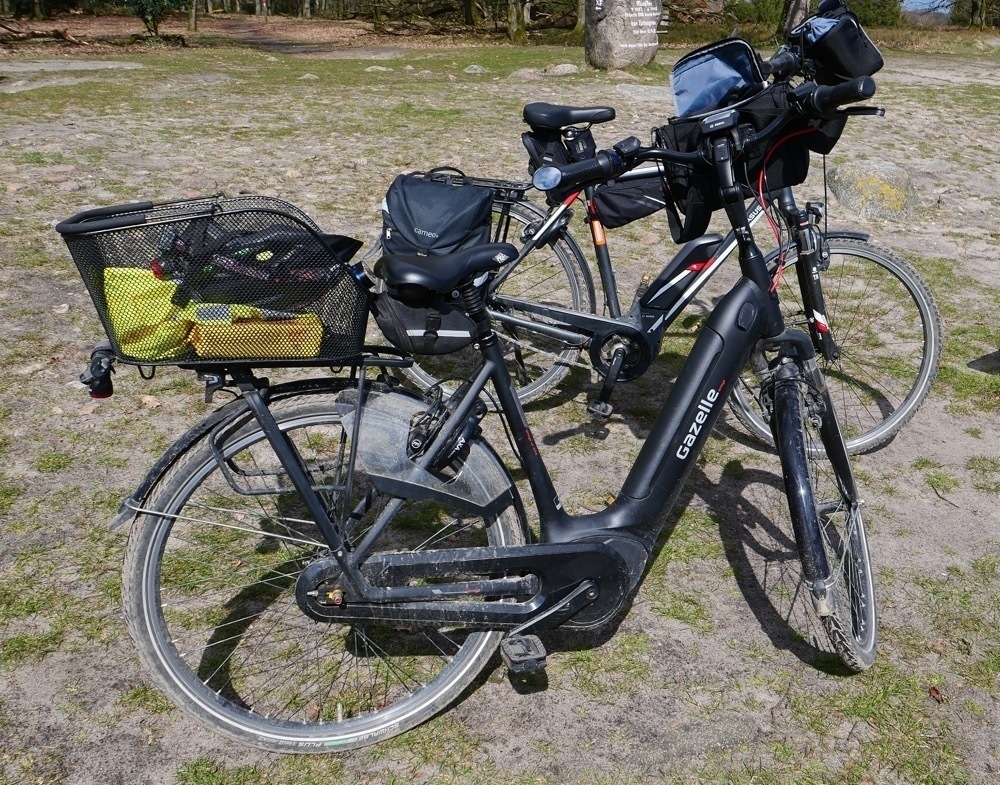
Location: Lunke (Longerich)
Height: 45,1
Coordinates: 51 - 6,9
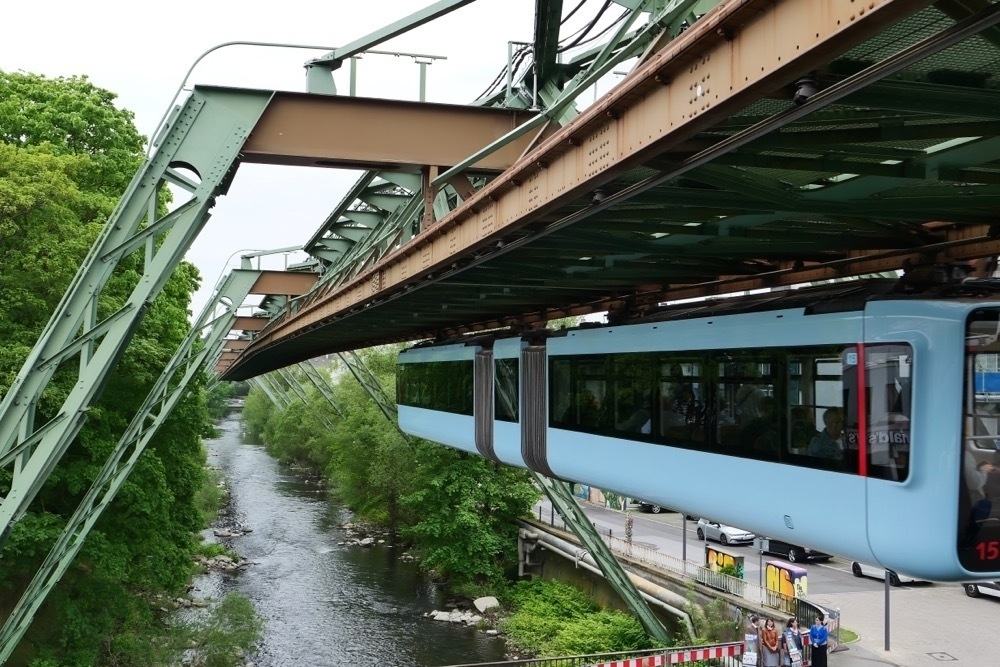
Some thoughts on the Schwebebahn
#Schwebebahn
In no particular order.
Clearly parking cars are not an issue. Punctuality is mostly self inflicted, as the tracks can’t be blocked.
A takt of 2 - 4 minutes makes a timetable irrelevant. Assuming this train noonish on a Saturday is typical and not full of tourists, adoption seems good.
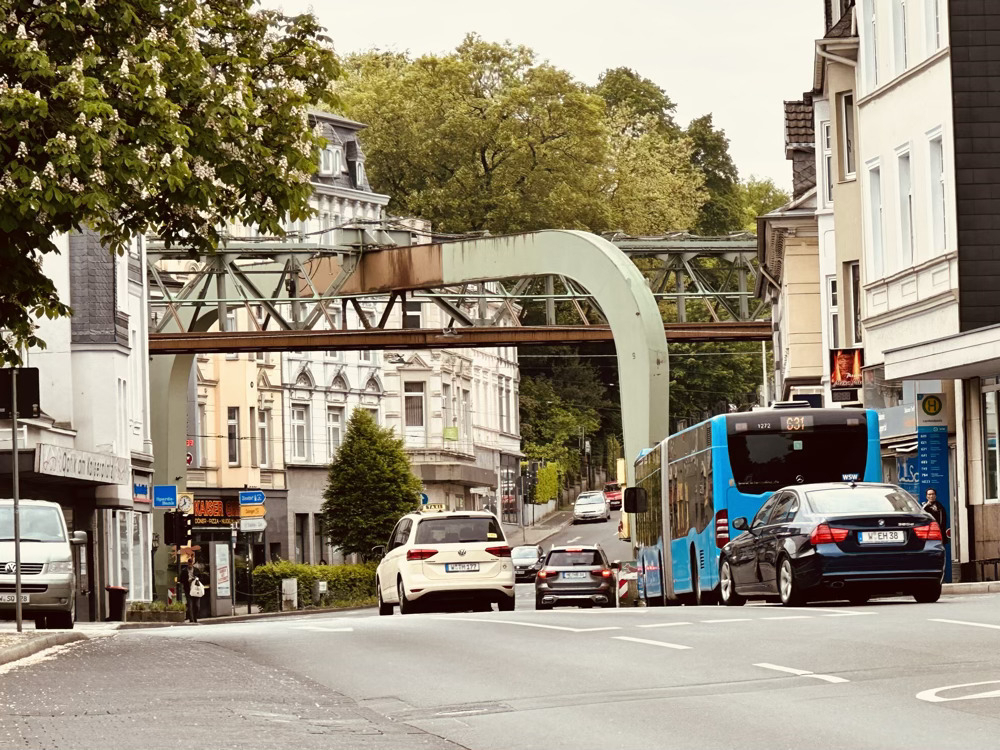
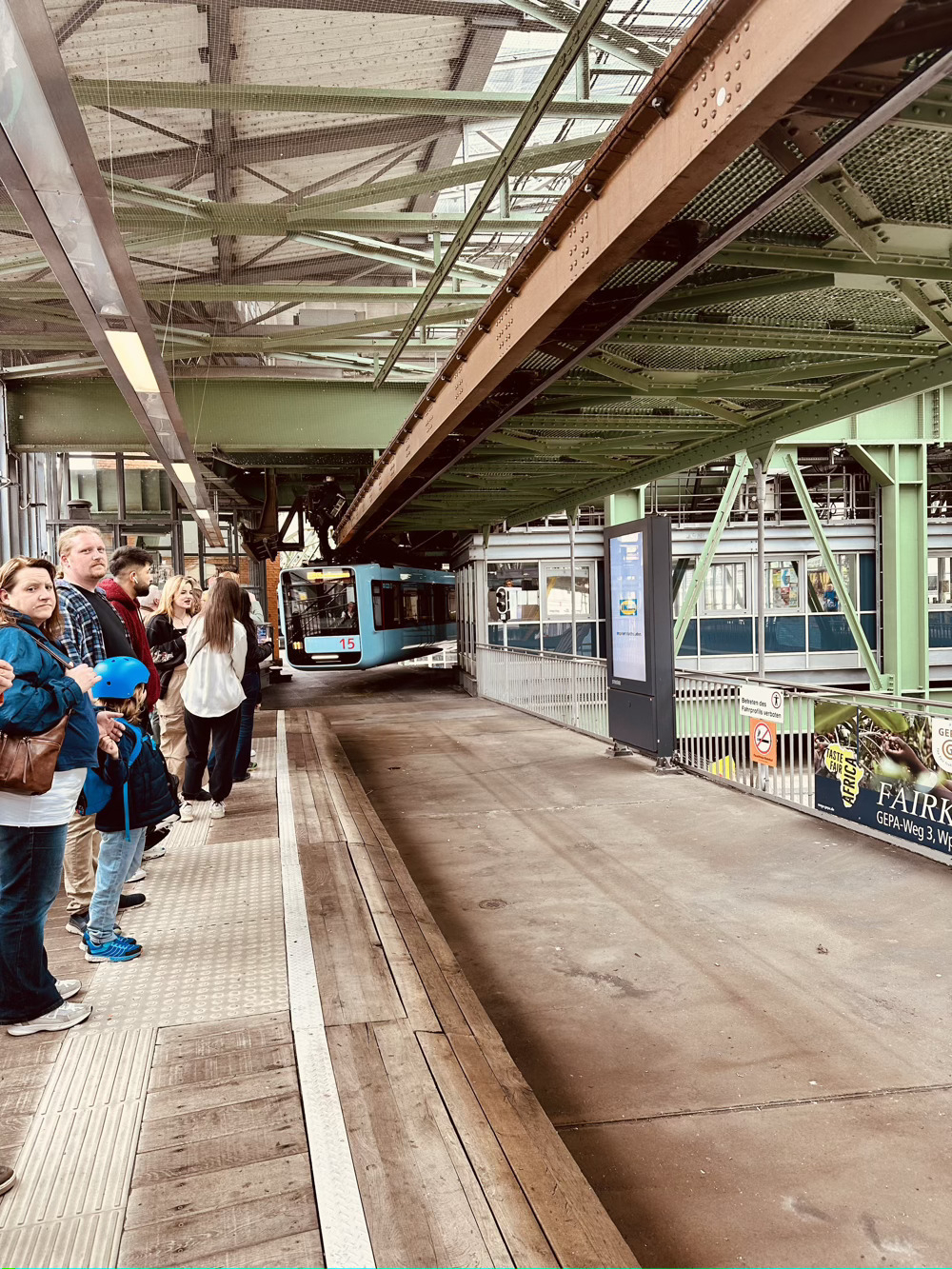
Of course the trains tilt a bit in the curves, quite good for 1901.
Choosing the course of the river for the tracks must have simplified obtaining right of way immensely. It was also the perfect way to join towns whose only communality was being situated on the river into one city, even though that only came in 1929.
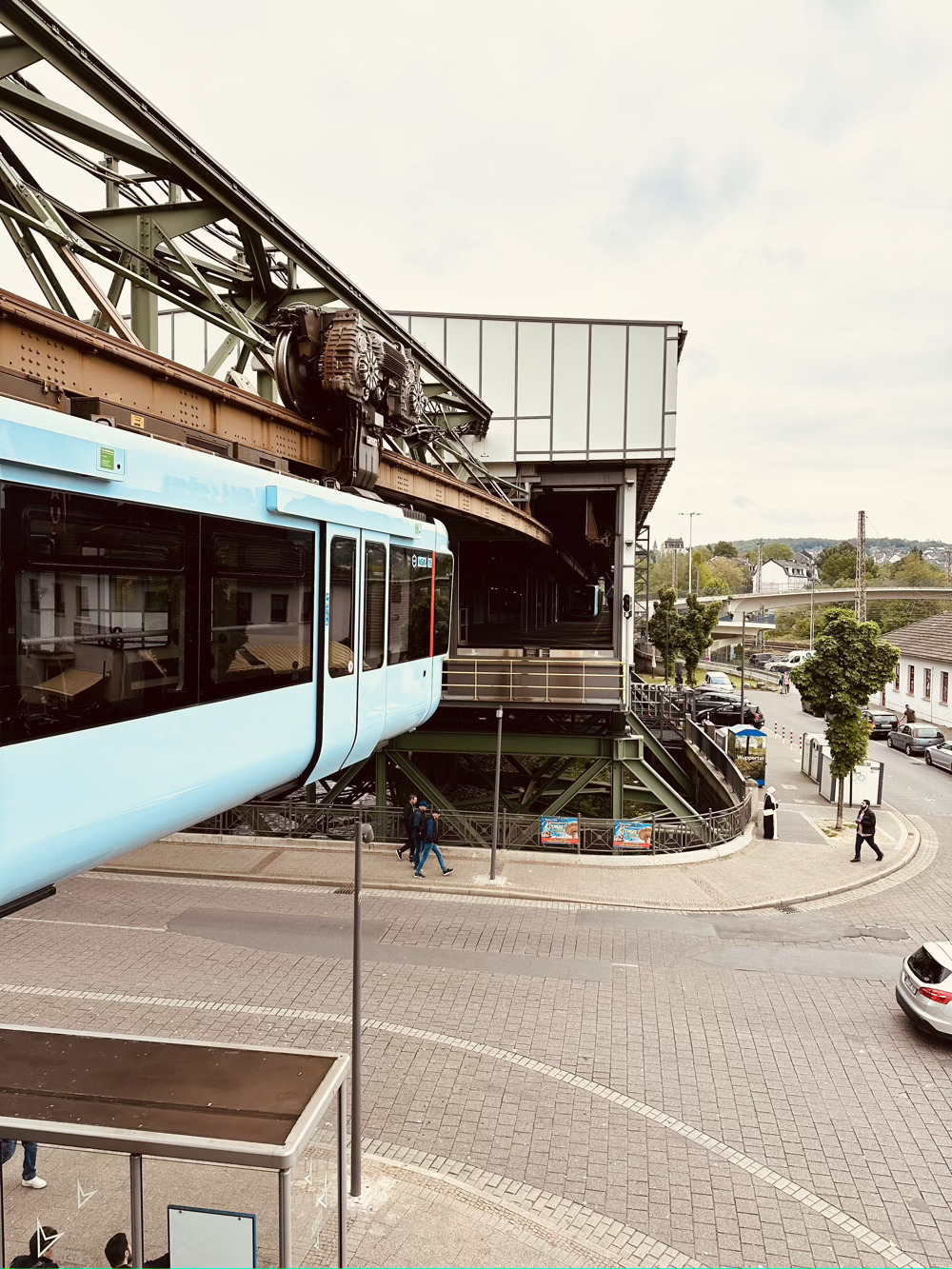
Interesting how shopping has changed at the two ends of the line, especially the Oberbarmen side. Fruit&veg, ethnic supermarkets, Döner shops, barbers, low end mobile phone repair.
The fashionable shopping has contracted into the middle with the pedestrian zone and to the internet.
The Schwebebahn highlights the development because it is the main axis.
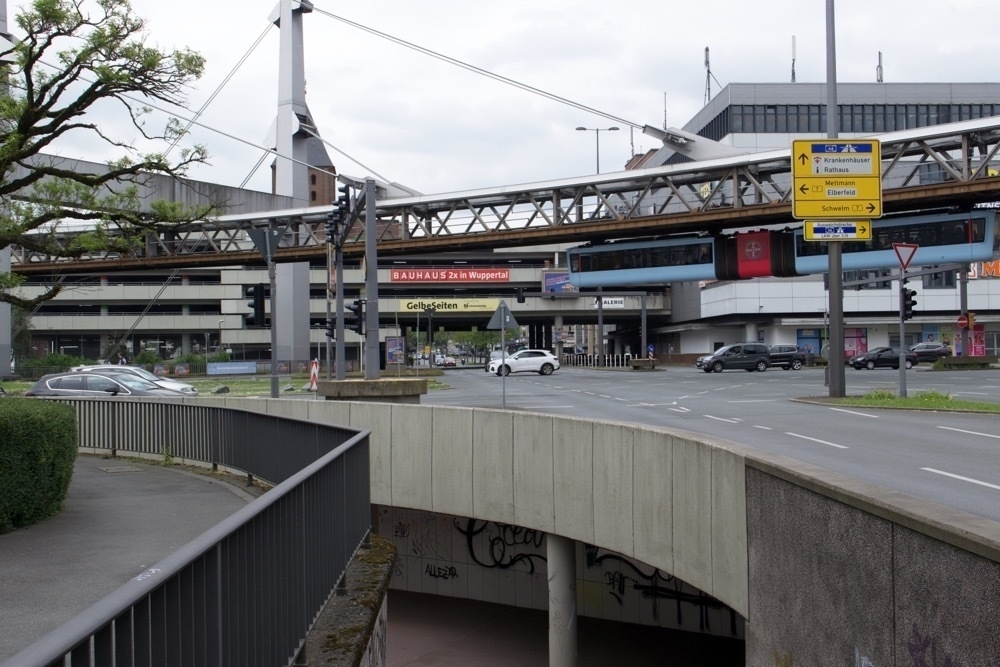
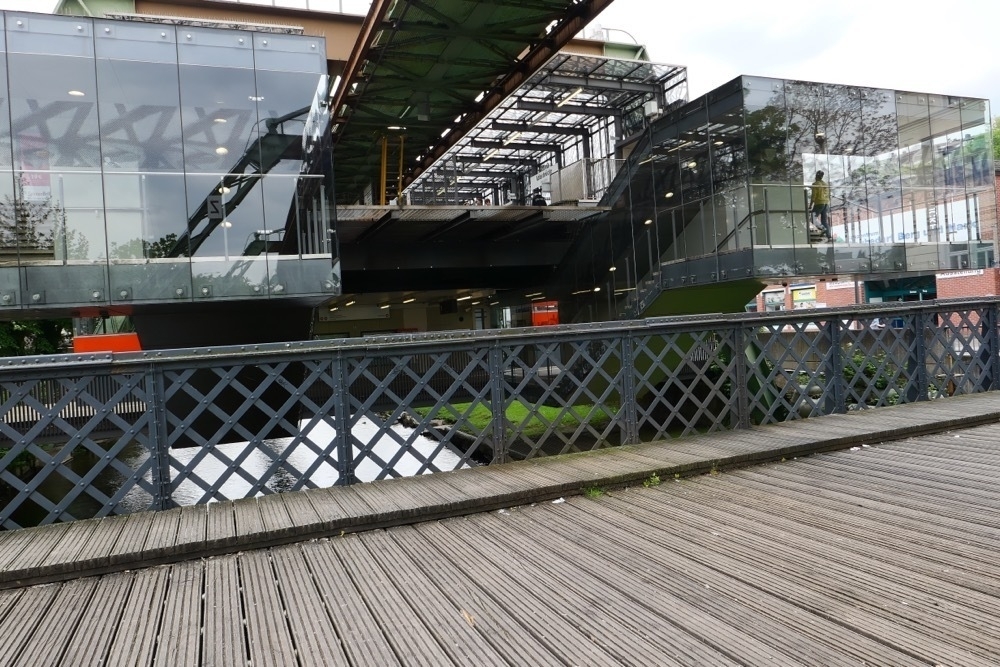
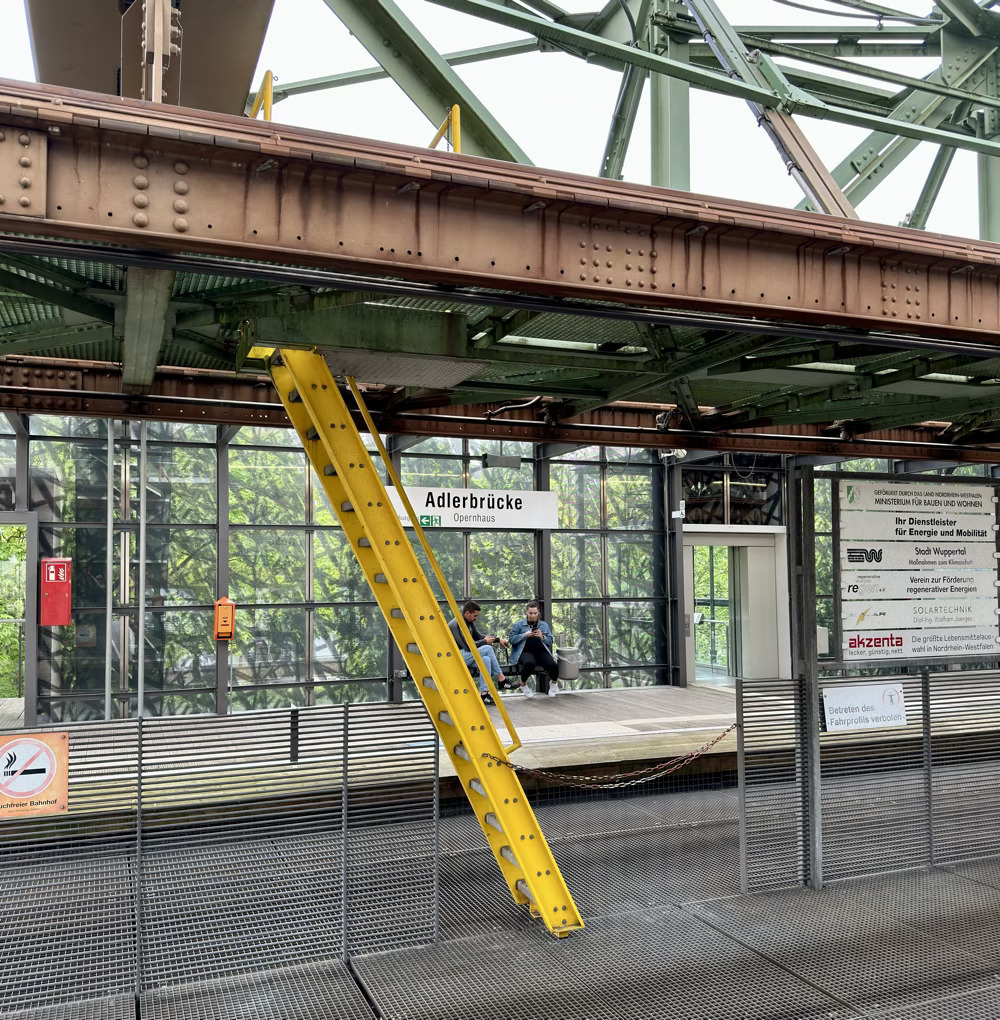
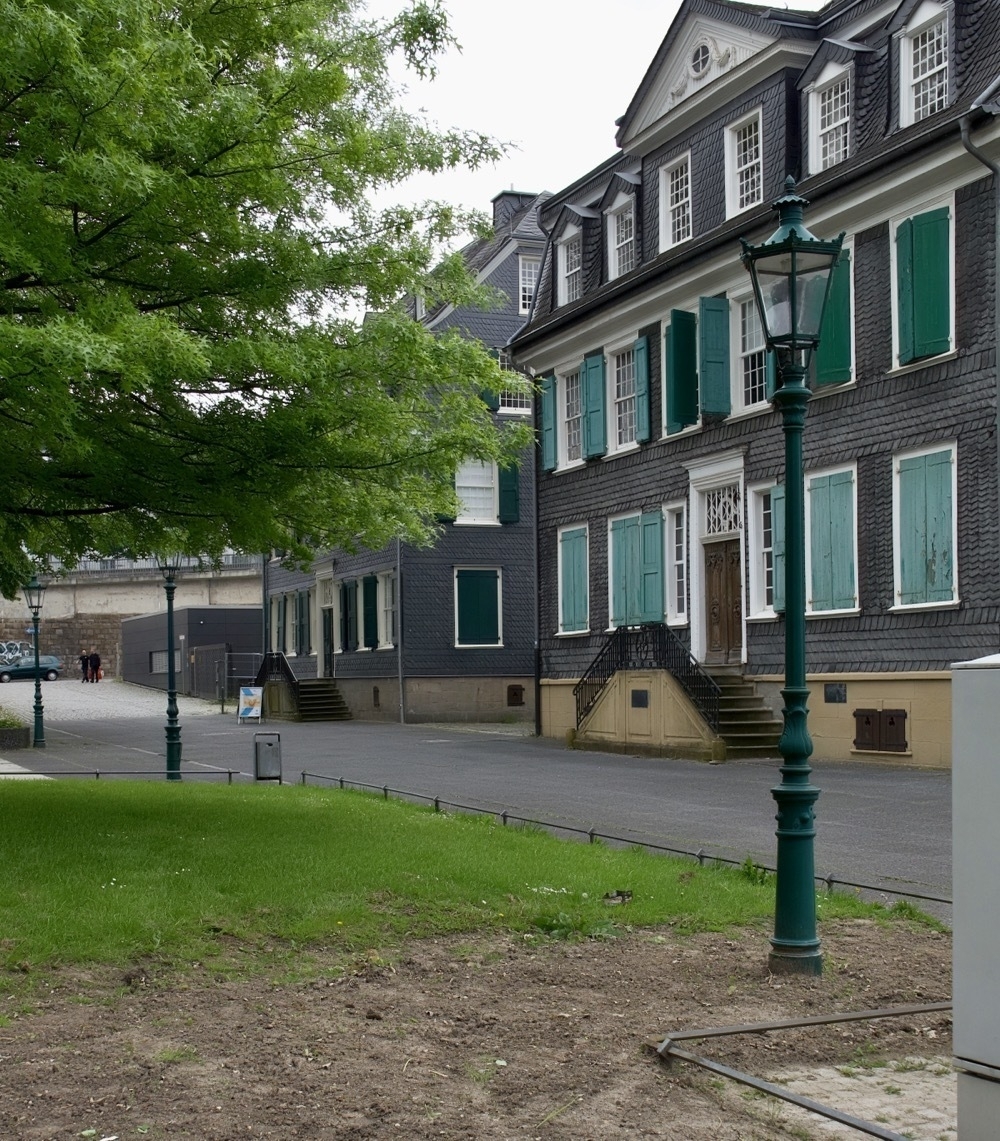
Overall a nice day out. Would recommend.
Location: Vohwinkel, Endhaltestelle Schwebebahn
Height: 170,8
Coordinates: 51,23 - 7,07
Location: Wuppertal-Vohwinkel
Height: 174,4
Coordinates: 51,23 - 7,07
Location: Haan
Height: 161,8
Coordinates: 51,21 - 7
Location: Köln HBF
Height: 53,6
Coordinates: 50,94 - 6,96
Goulash Flamande
#recipe
Ingredients
1,2 kg beef, cubed 1 kg leeks, sliced 1 head of new garlic 5 pointed peppers 700 ml passata 1 glass of red wine salt 1 tbsp black pepper 1 tbsp rose paprika (hot) 2 tbsp sweet paprika chilli to taste sour creme
Method
Brown the meat, then, separately wilt the leak, add the peppers and the halved head of garlic. Then add back the meat, spices, red wine, sour creme and passata. Bring to a boil.
In an oven heated to 130 C cook for three hours.
Why leeks, why flamande?
I was to lazy to peel and dice 1 kg of onions, but the frozen, sliced onions were sold out. Leeks were available. Leeks are something not entirely unheard of in Belgium.
Bread Rolls
Ingredients
340 g water (lukewarm) 15 g fresh yeast (or 5 g dry yeast) 10 g salt 455 g wheat flour (type 550)
Method
Mix all the ingredients and leave covered to prove for two hours. Continue proving over night in the refrigerator.
Next morgen shape into 6 rolls and let prove on the baking sheet for an additional 30 minutes before placing in the oven, heated to 230° C.
Pour halve a cup of water on the bottom of the oven.
Bake for 20 to 25 minutes.
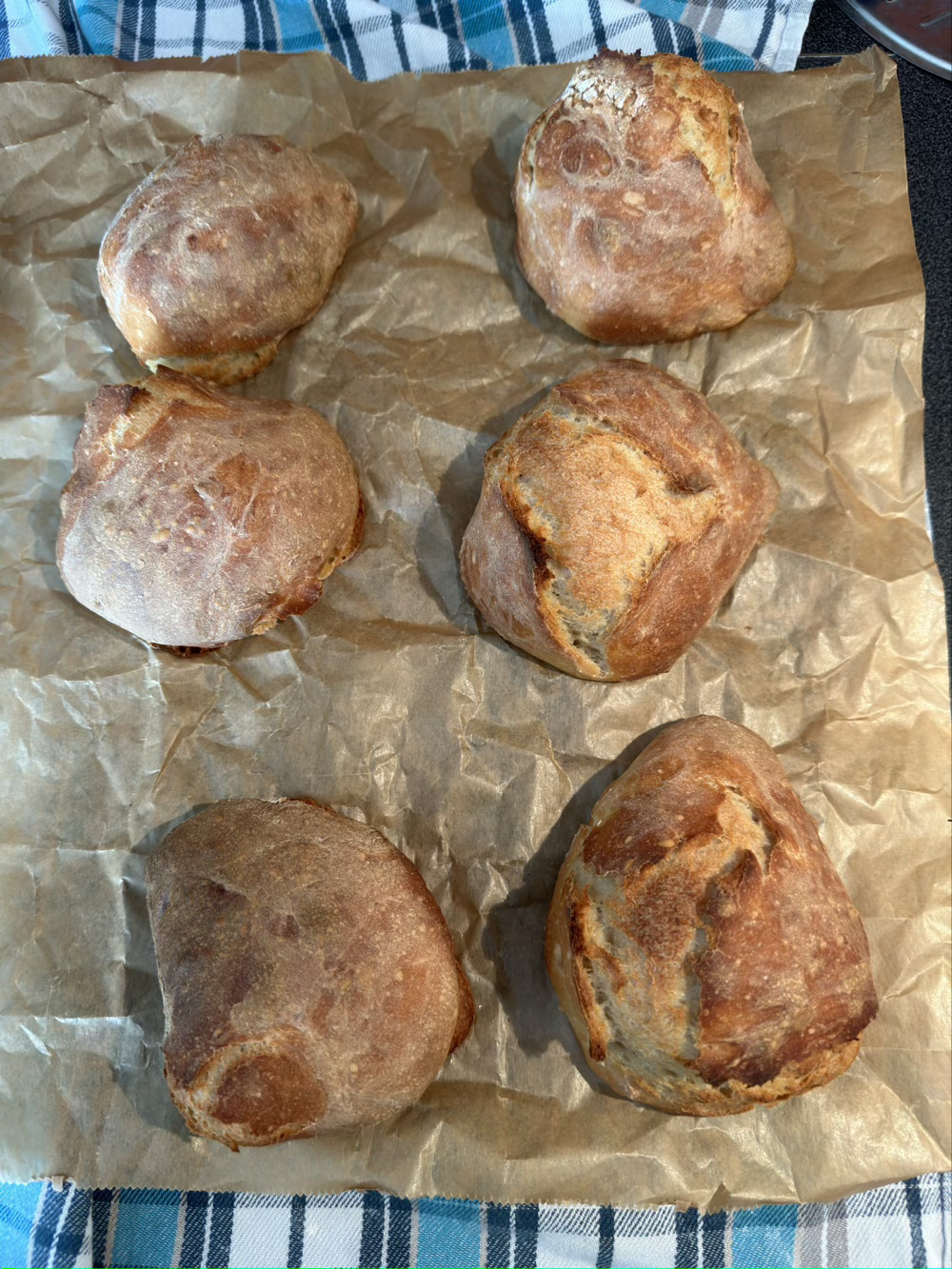
Update 2023-05-17
Reduced water to 315 g
Will report how it goes
Update 2023-05-18
At 70% hydration the rise was basically the same. Shaping was easier and the dough slightly less sticky.
Crumb as nice as before.
Will Go with 70% hydration for the next bakes.
#recipe
It just occurred to me,
Project Management is about creating options and opportunities, not just achieving milestones
#ProjectManagement #experience
On our travel - Lüneburg Heath
Easter Monday we set out on a trip to Lüneburg Heath, that was supposed to be four days of cycling. That though, is not what happened.
Two days of rain
Our trip started with two days of rain, interrupted by hail, and, much more rarely, a little sunshine. Plans were changed and adapted and we started with two days of Lüneburg.
Thanks to going basically broke at the right time the city is very well preserved with most of the medieval buildings intact.
The first day was spent exploring the city and dodging hail. Following a meandering course around the city and taking in some great examples of Backstein Gothik. The second day was spent in the Deutsche Salzmuseum and the Museum Lüneburg.
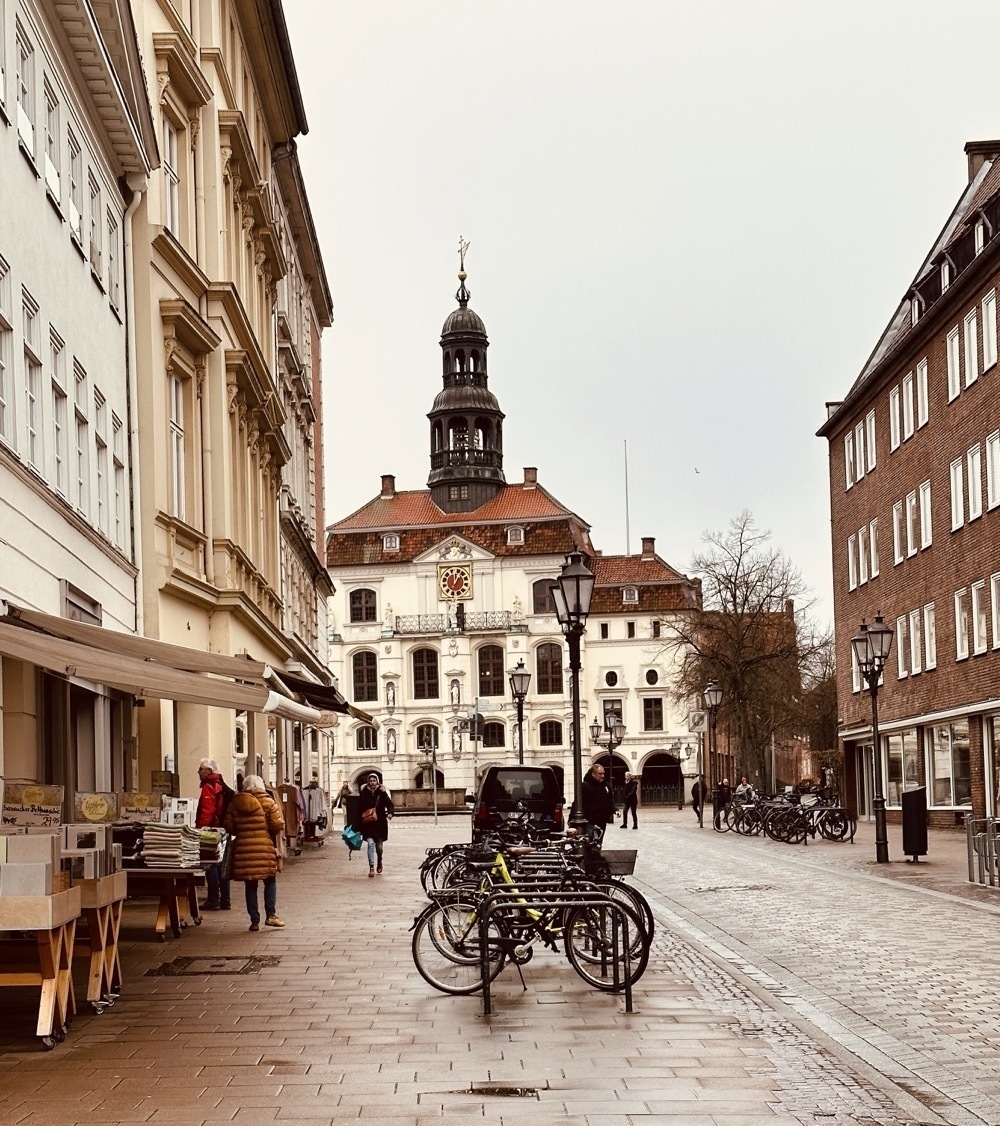
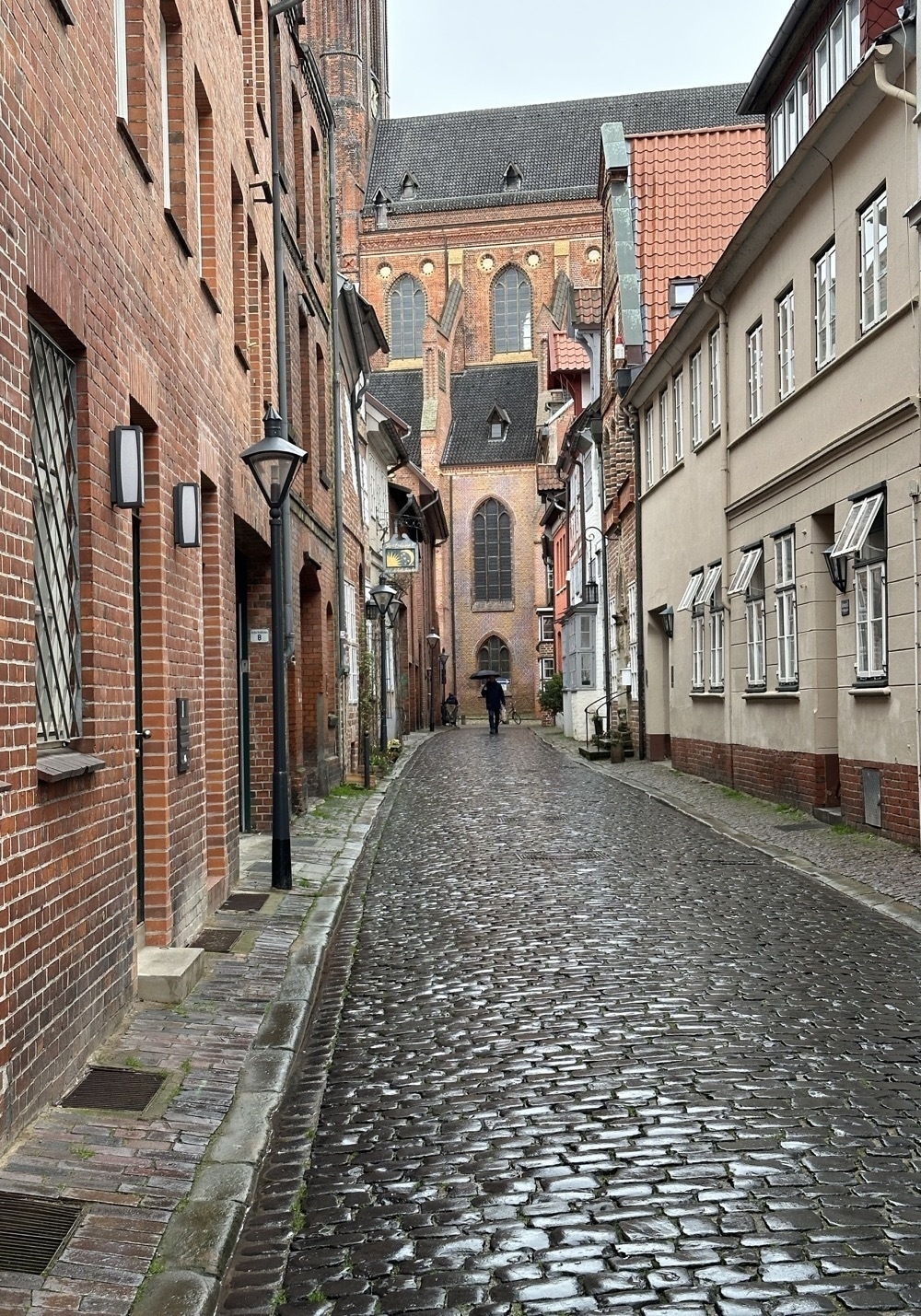
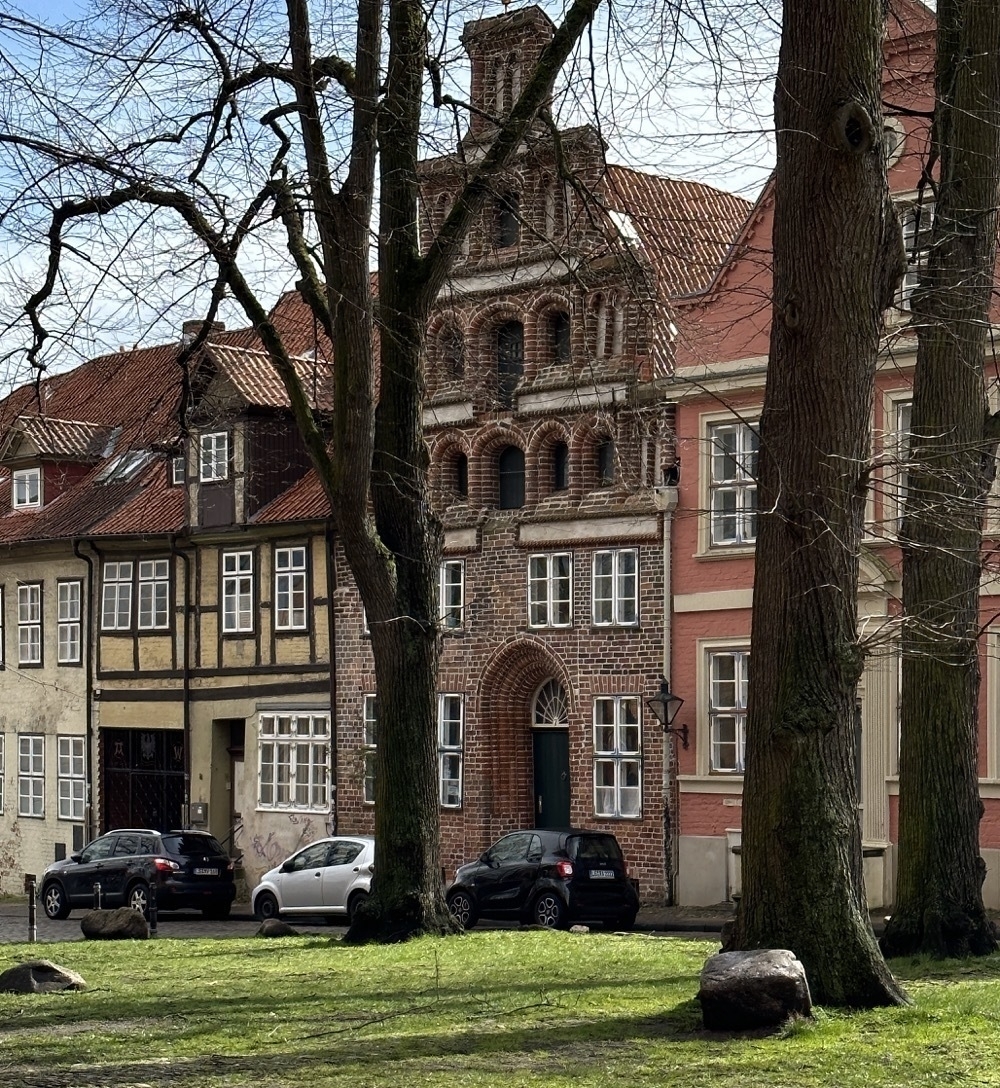
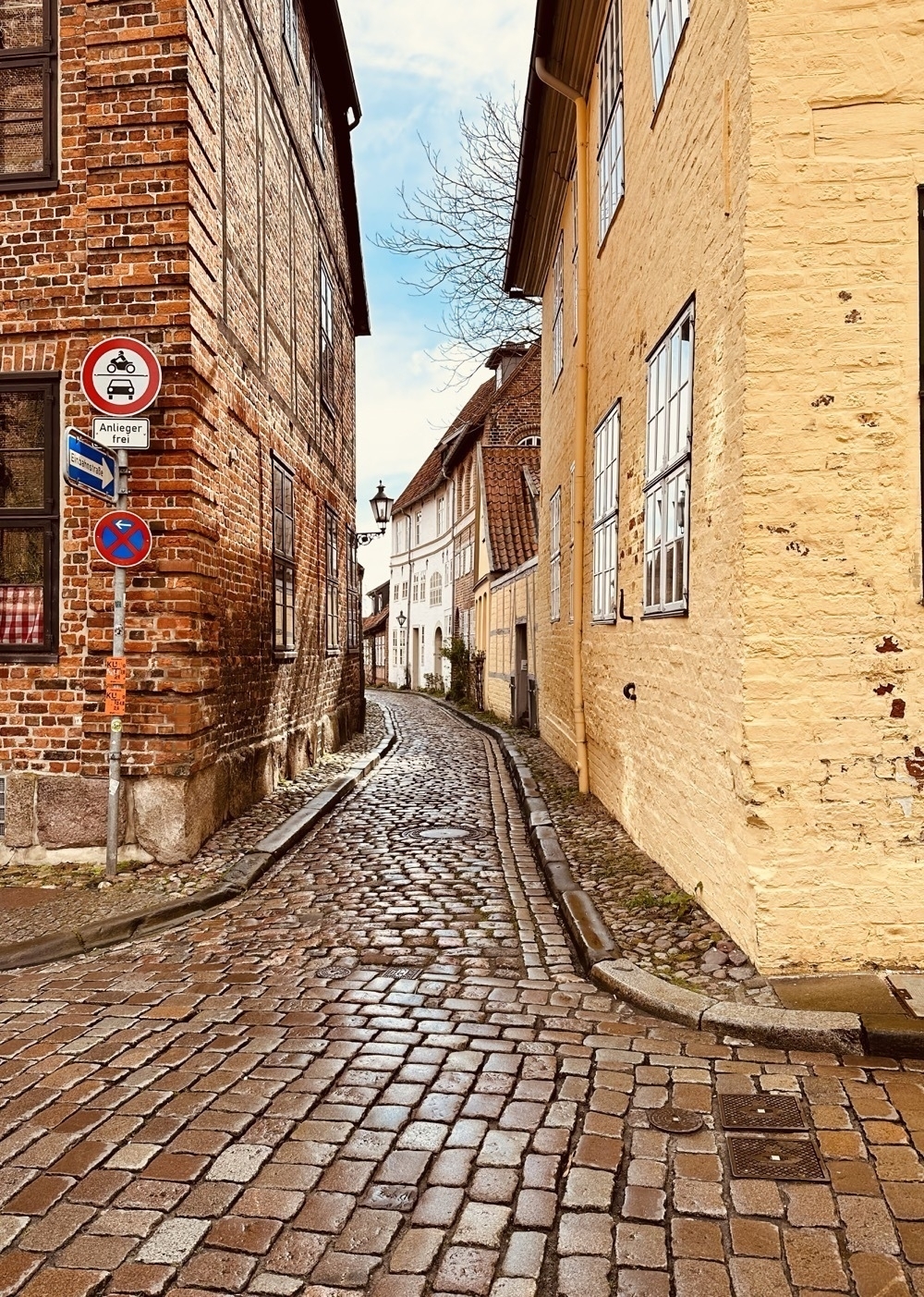
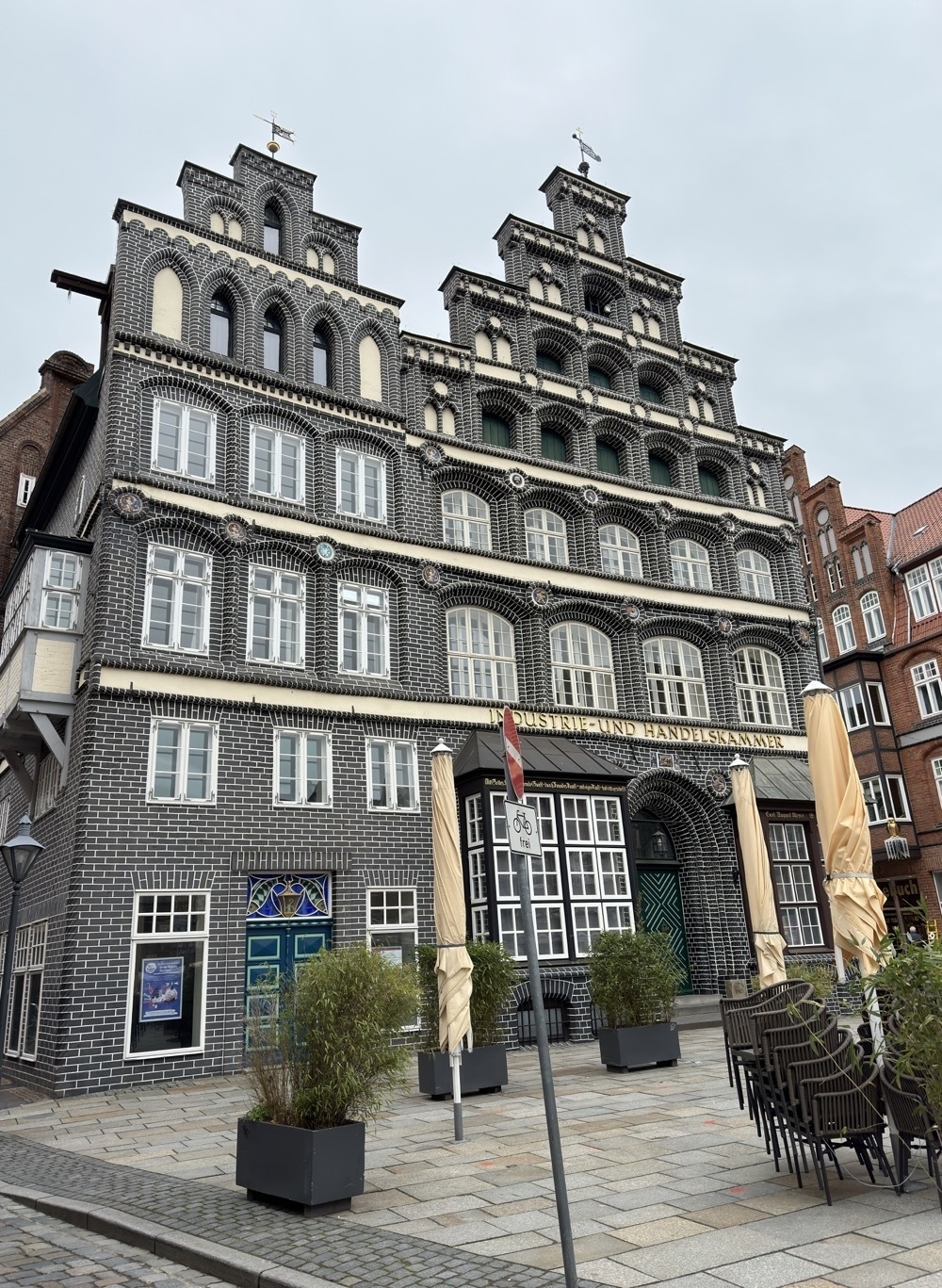
Apart from being a major trading centre for salt, Lüneburg sits on quite a lot of salt, the city also queried and exported gypsum. The Kalkberg 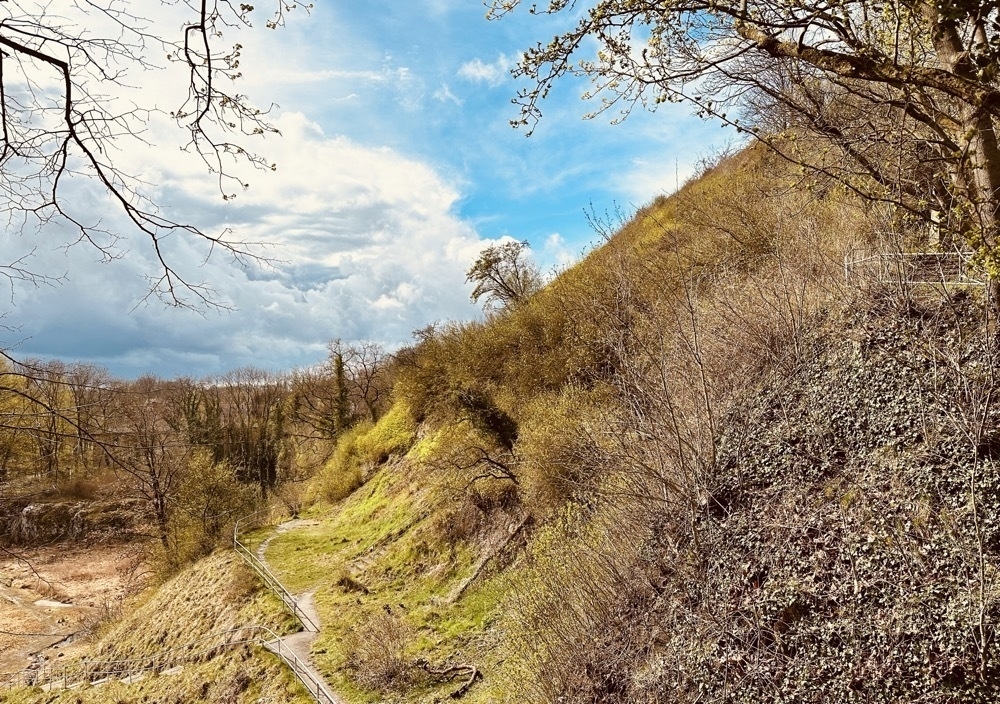 is said to have been 10 times larger originally and was quarried for almost 1000 years.
The evening of the second day closed with a well deserved rainbow 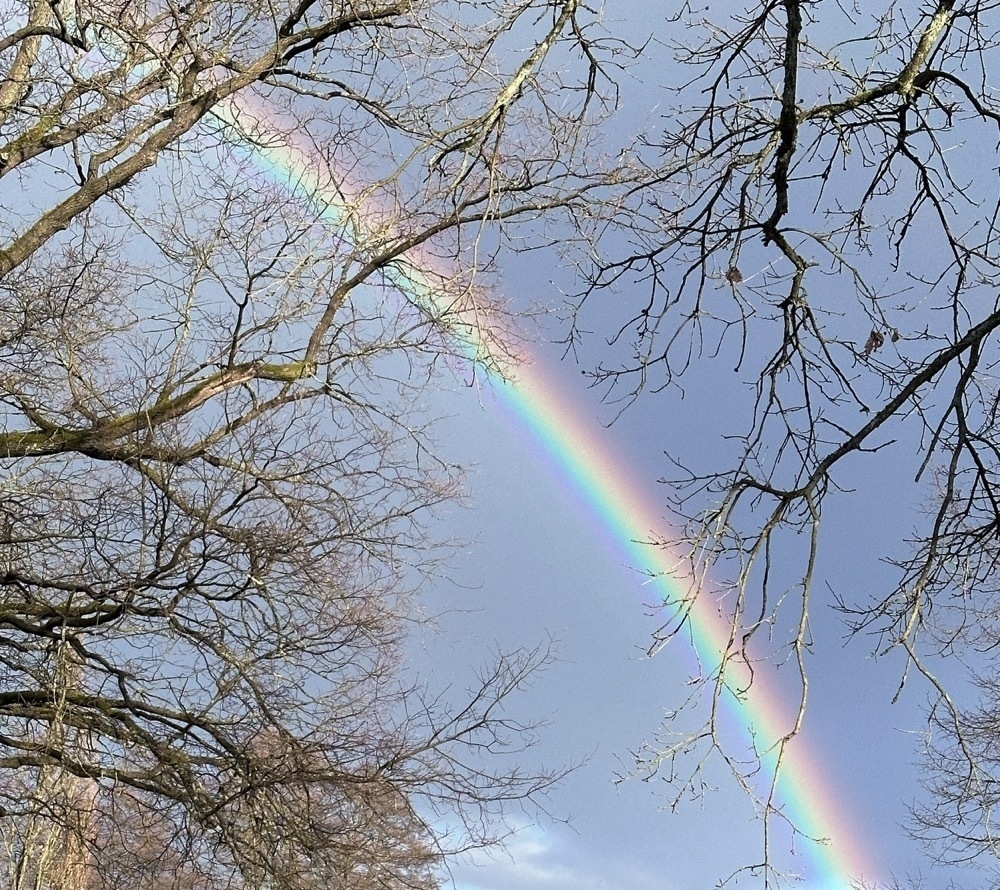 .
.
Two days without rain
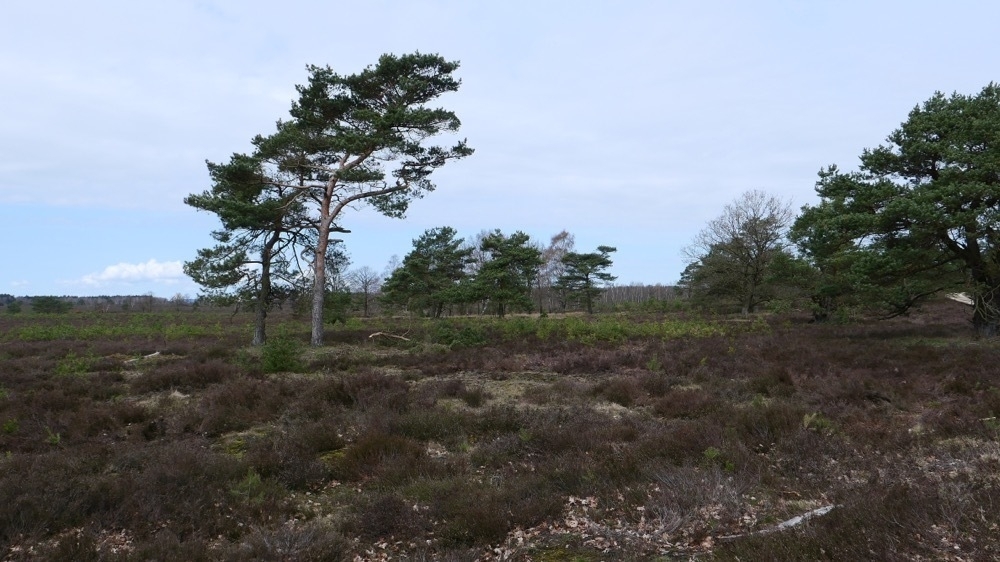
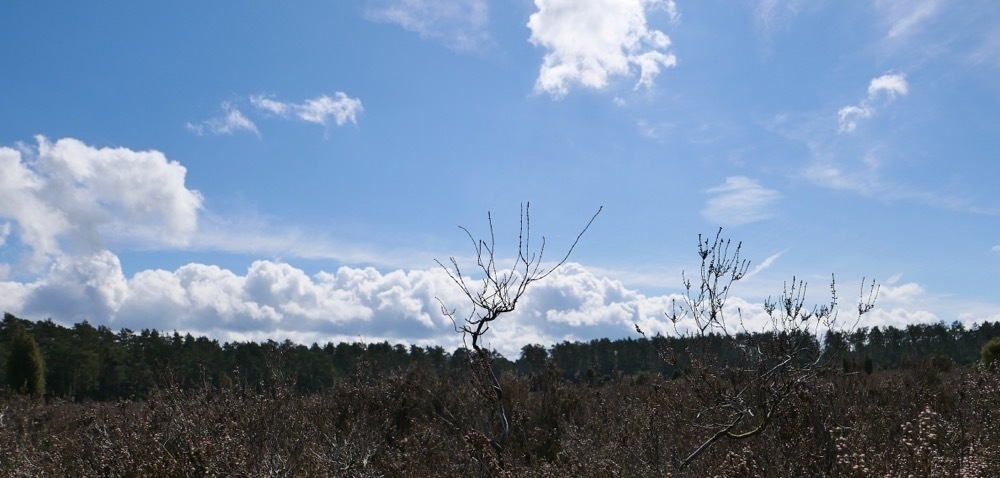
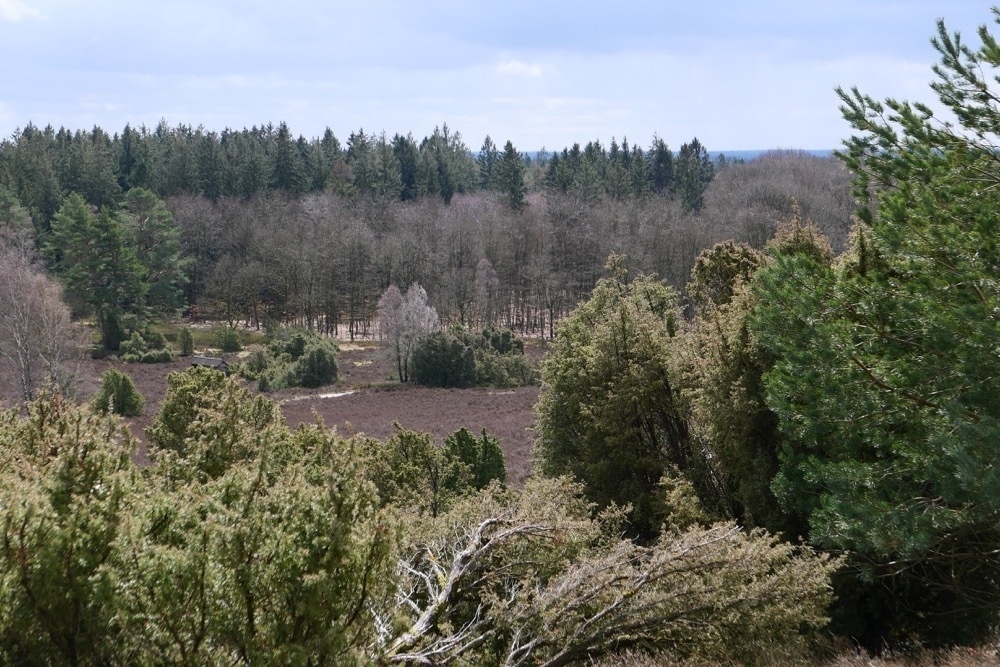
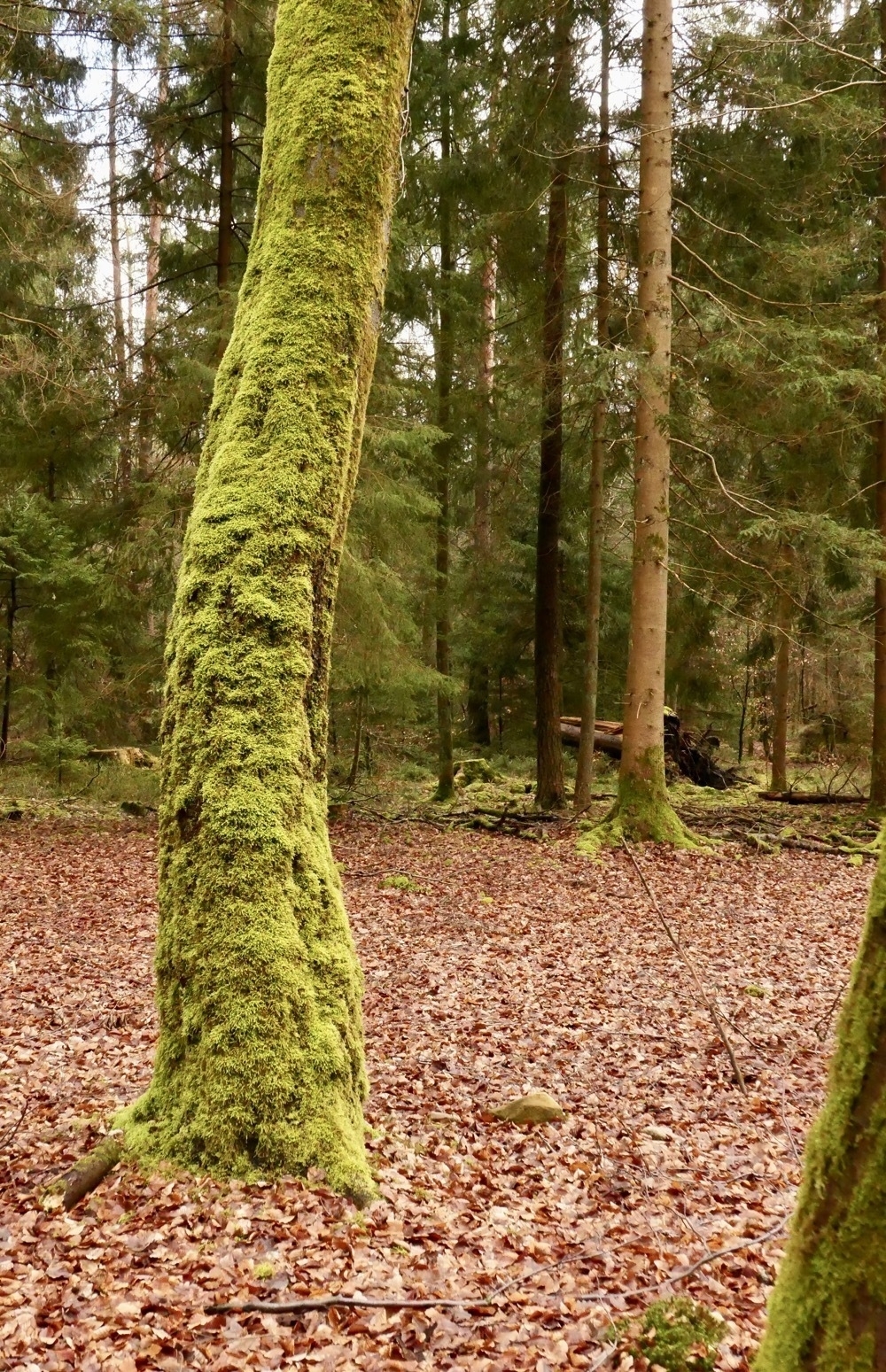
Two good trips across the heath, one starting in Bispingen and climbing the Wilseder Berg. The heath is interrupted by a lot of pine and beech forrests. The ideal time to visit is apparently August, when the heath is in bloom. But even without the bloom there are some magnificent views.